
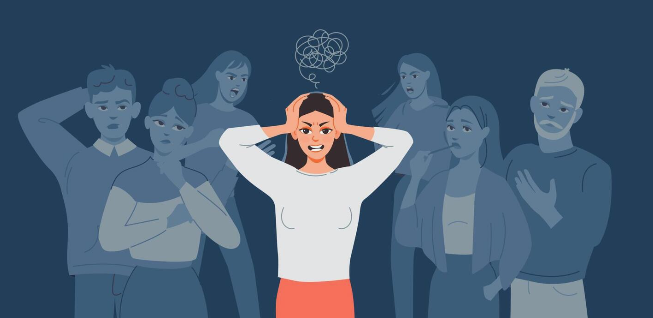
Do I Have Social Anxiety? Warning Signs You Shouldn’t Ignore
The Question You Keep Asking Yourself | Do I Have Social Anxiety?
You turned down another invitation last week. Not because you didn’t want to go — part of you genuinely did. But the mental rehearsal that started the moment you read the message, the exhaustion of imagining every possible way it could go wrong, the relief that flooded through you when you finally texted back with an excuse — that relief felt like the only comfortable option available.
And afterward, alone, you wondered: is this just who I am? Or is something actually wrong?
That question — do I have social anxiety? — is one of the most searched mental health queries on the internet. Millions of people ask it, usually quietly, usually after years of assuming that what they experience in social situations is simply shyness, introversion, or a personality trait they were born with and will simply have to live around.
For many of those people, the answer is not that they are shy. The answer is that they have Social Anxiety Disorder — a clinically recognized, neurobiologically grounded condition that affects approximately 7% of the population, making it one of the most prevalent mental health conditions in existence.
It is also one of the most undertreated. The average person with social anxiety waits over a decade before seeking help — partly because the condition itself makes seeking help frightening, and partly because the line between “I’m just an introvert” and “I have a clinical condition” is genuinely hard to see from the inside.
This article helps you see it clearly.
What Social Anxiety Actually Is — And What It Isn’t
Before diving into the warning signs, it is worth establishing what social anxiety disorder actually is — because the most common misconception about it, that it is simply extreme shyness, is also the misconception that most delays recognition and treatment.
Social Anxiety Disorder is a persistent, intense fear of social or performance situations in which you might be scrutinized, judged, or evaluated negatively by others. The fear is disproportionate to the actual threat posed by the situation. It produces significant distress, significant avoidance, and significant impairment in daily life — in work, in relationships, in education, and in the basic activities of living as a social creature in a social world.
The key clinical distinctions are:
Shyness is a temperamental trait — a tendency toward reticence and discomfort in unfamiliar social situations that typically diminishes as familiarity increases. Shy people may feel uncomfortable at first but generally adapt and engage. The discomfort is manageable, the avoidance is limited, and the impairment to life functioning is minimal.
Introversion is a personality dimension — a preference for less social stimulation, a tendency to find social interaction draining rather than energizing, and a natural orientation toward solitude and internal processing. Introverts can enjoy social interaction; they simply need recovery time afterward. Introversion is not a disorder, does not produce clinical levels of fear, and does not drive avoidance of situations the person actually wants to participate in.
Social Anxiety Disorder is a condition in which the fear of negative evaluation is intense enough to drive significant avoidance, significant distress, and significant life impairment. The person with social anxiety disorder often wants to engage socially — sometimes desperately — but is prevented from doing so by a fear response that is neurologically real and psychologically powerful.
Understanding this distinction is not just semantically important. It is clinically important — because introversion and shyness respond to patience and practice, while social anxiety disorder responds to specific, evidence-based clinical treatment that produces real, lasting change.
The Neuroscience Behind Social Anxiety: Why Your Brain Does This
Social anxiety is not a mindset problem. It is not a confidence problem. It is not something you can simply decide your way out of.
It is rooted in the same neurobiological system — the amygdala-centered threat-detection network — that underlies all anxiety disorders. In social anxiety specifically, the amygdala is hyperreactive to social threat stimuli — faces expressing negative emotion, situations involving evaluation, environments associated with past social pain.
When you walk into a room full of people and your heart pounds, when your mind goes blank during a presentation, when your face flushes during a conversation and you become acutely aware of everyone noticing — these are not character flaws. They are the physiological stress response firing in a social context, driven by an amygdala calibrated to treat social threat with the same urgency it would treat physical danger.
Research using neuroimaging has consistently shown that people with social anxiety disorder show heightened amygdala activation in response to social stimuli — faces, criticism, the anticipation of evaluation — compared to people without the condition. The fear is neurologically real. The response is genuine. And it is not something willpower alone can override.
The Warning Signs of Social Anxiety: What to Actually Look For
The warning signs of social anxiety disorder are organized here not as a clinical checklist but as descriptions of lived experience — because that is how people actually encounter and recognize them.
You Fear Situations Where You Might Be Watched or Judged
The core fear in social anxiety is negative evaluation — the belief that others are watching you closely, assessing you critically, and finding you lacking. This fear manifests across a wide range of situations:
Speaking in meetings or groups — not because you don’t have something to say, but because the moment you imagine speaking, your mind floods with awareness of every person in the room listening to and judging you.
Eating or drinking in public — the fear of being watched while doing something as basic as eating, of doing it wrong somehow, of trembling hands or a reddening face being noticed and judged.
Writing, signing, or performing tasks while being observed — a signature that becomes illegible when someone is watching. A task you can do perfectly alone that becomes impossible under observation.
Using public restrooms — particularly for men with paruresis (shy bladder syndrome), the inability to urinate when others might be present is one of the most impairing and least discussed manifestations of social anxiety.
Being the center of attention — even positive attention, like birthday celebrations or being recognized for an achievement, triggers the same fear response as negative attention would.
You Experience Intense Physical Symptoms in Social Situations
Social anxiety is not purely psychological. It has a powerful physical component that is frequently the most distressing aspect of the experience — partly because the physical symptoms are visible, and therefore become their own source of social fear.
Blushing. The involuntary reddening of the face and neck in social situations is one of the most recognized and most distressing physical symptoms of social anxiety. The fear of blushing becomes its own trigger — you blush because you’re anxious, you become anxious because you notice you’re blushing, the blushing intensifies, and the cycle continues.
Trembling or shaking. Hands that tremble when holding a document in front of others. A voice that shakes when speaking in a group. These involuntary physical responses are humiliating precisely because they are visible — they feel like evidence that everyone can see your internal state.
Sweating. Disproportionate sweating in social situations — palms, underarms, face — that has nothing to do with physical exertion and everything to do with the physiological stress response activating in response to social threat.
Racing heart. The cardiovascular component of the anxiety response is often the first physical sign that a social situation is activating the threat system — and it frequently becomes a focus of attention in itself, producing secondary anxiety about the physical symptoms.
Nausea and gastrointestinal distress. The gut-brain axis produces genuine gastrointestinal symptoms in response to social anxiety — nausea before social events, stomach cramping, the need to use the bathroom. Some people’s social anxiety manifests primarily through GI symptoms, leading to years of investigation for physical causes before the psychological root is identified.
Mind going blank. One of the most acutely distressing symptoms — in the middle of a conversation, presentation, or social interaction, the working memory simply empties. You lose your train of thought, forget what you were saying, cannot retrieve information you know perfectly well in other contexts. This is a direct consequence of the cognitive disruption produced by the anxiety response.
You Engage in Extensive Anticipatory Anxiety
Social anxiety does not begin when the social situation begins. It begins long before — sometimes days or weeks before a significant social event.
Pre-event rehearsal and rumination. You mentally rehearse social situations obsessively — running through what you will say, how people might respond, what could go wrong, what you will do if it does. This rehearsal provides no actual preparation benefit but consumes significant mental energy and amplifies anxiety in the lead-up to the event.
Countdown dread. As an event approaches, anxiety escalates. What begins as a low-level awareness becomes active dread by the day of the event — physical symptoms, difficulty sleeping, difficulty concentrating on anything else.
Cancellation as relief. When a social event is canceled or you find an excuse not to attend, the relief is immediate, physical, and powerful. This relief is neurologically real — the threat response deactivates when the trigger is removed — and it is precisely what makes avoidance so self-reinforcing.
You Engage in Safety Behaviors During Social Situations
When people with social anxiety do attend social situations rather than avoiding them, they frequently employ safety behaviors — strategies designed to manage the anxiety and reduce the perceived risk of negative evaluation.
These behaviors feel protective in the moment but actually maintain and worsen social anxiety over time, because they prevent the person from learning that the feared outcome would not have occurred.
Common safety behaviors include:
Minimizing speaking. Saying as little as possible, giving brief answers, deflecting questions back to others, staying on the periphery of group conversations to reduce the chances of becoming the focus of attention.
Excessive preparation. Memorizing what you plan to say before a meeting or social event. Rehearsing answers to questions you might be asked. Preparing so thoroughly that any deviation from the script triggers panic.
Alcohol or substance use. Using alcohol as a social lubricant — relying on it to make social situations tolerable. This is one of the most common and most dangerous safety behaviors, as it creates a dependent association between social function and alcohol use.
Avoidance of eye contact. Looking down or away during conversations to reduce the feeling of being watched. This often increases the self-consciousness it’s designed to reduce.
Monitoring and self-surveillance. Running a continuous internal commentary on how you’re coming across — monitoring your own speech, expression, body language, and the reactions of others simultaneously. This divided attention is cognitively exhausting and often produces the very awkwardness it’s designed to prevent.
Staying near exits or safe people. Arriving early to get a seat near the door. Staying close to the one or two people you feel comfortable with at a gathering. Identifying the route out of any situation before fully engaging.
You Engage in Extensive Post-Event Processing
Social anxiety doesn’t end when the social situation ends. For many people with social anxiety, the most painful part happens afterward — in the hours or days following a social interaction.
Post-event rumination. Replaying the event in detail, searching for evidence that you made a bad impression. Replaying things you said, analyzing facial expressions you noticed, constructing interpretations of brief or neutral responses that confirm your fear of having been judged negatively.
Biased memory of social events. Research on social anxiety has consistently shown that people with the condition have a biased memory for social events — they remember the moments of perceived failure, awkwardness, or negative response more vividly and more durably than the moments that went well.
The performance review. Many people with social anxiety conduct an internal post-event debrief that functions like a brutal performance review — cataloguing every perceived mistake, every word that came out wrong, every moment of perceived awkwardness, and scoring the overall experience as evidence of their social inadequacy.
This post-event processing is one of the most important maintaining factors of social anxiety — it deepens the negative self-assessment that drives future avoidance, and it colors the memory of the event in ways that make the next similar situation feel even more threatening.
Your World Has Been Getting Smaller
One of the most important — and most insidious — warning signs of social anxiety disorder is not a specific symptom but a pattern: progressive life restriction.
Social anxiety is not static. Untreated, it tends to expand its territory over time. The avoidance that starts with large parties extends to smaller gatherings. The fear of speaking in large meetings extends to contributing in small ones. The anxiety about new social situations extends to previously comfortable ones. The world quietly contracts around the person — their social life, their professional opportunities, their relationships, their experience of daily life — in ways that are so gradual they can be easy to miss until significant losses have already occurred.
If you look back over the past several years and notice that you are doing less, attending less, attempting less, and avoiding more — and that the anxiety has been the common thread — that pattern is clinically significant regardless of whether any individual symptom feels extreme.
Social Anxiety vs. Other Conditions: Important Distinctions
Social anxiety disorder shares symptoms with several other conditions, and accurate identification matters for treatment planning.
Social anxiety vs. generalized anxiety disorder: GAD involves worry across multiple domains of life — health, finances, relationships, the future. Social anxiety is domain-specific — the core fear is social evaluation. Many people have both, but they are distinct conditions with somewhat different treatment emphases.
Social anxiety vs. agoraphobia: Agoraphobia involves fear of situations where escape might be difficult during a panic attack — crowds, public transport, open spaces. The fear is about being trapped or unable to get help, not about being judged. The situations can overlap, but the underlying fear is different.
Social anxiety vs. autism spectrum: Some autistic people experience significant social difficulties that can superficially resemble social anxiety. The distinction is important: autistic social difficulty typically involves differences in social processing and communication rather than fear of negative evaluation. Many autistic people also have co-occurring social anxiety — making accurate differential assessment important.
Social anxiety vs. selective mutism: Selective mutism — the inability to speak in specific social situations despite being able to speak in others — is considered related to social anxiety and is now classified as an anxiety disorder. It is most commonly diagnosed in children but can persist into adulthood.
How Social Anxiety Is Diagnosed
Social anxiety disorder is diagnosed through a clinical assessment by a licensed mental health professional — not through an online quiz, not through self-diagnosis alone, and not through a single appointment that fails to take an adequate history.
A proper assessment considers:
Whether the fear of social situations is persistent and consistent — present across multiple social situations, not just in specific unusual circumstances.
Whether the fear is excessive relative to the actual threat posed by the situation.
Whether the fear produces significant distress or impairment in social, occupational, or other areas of functioning.
Whether the fear has been present for at least six months.
Whether the fear is better explained by another condition — substance use, medical conditions, other mental health diagnoses.
Self-recognition through reading is valuable — it is often the first step toward seeking help. But professional assessment confirms the diagnosis, identifies co-occurring conditions, and guides the specific treatment approach.
What Actually Helps: Evidence-Based Treatment for Social Anxiety
Social anxiety disorder is one of the most treatment-responsive conditions in psychiatry. The right treatment produces real, lasting change — not just symptom management, but genuine reduction in the fear response and genuine expansion of the life that anxiety has been restricting.
Cognitive Behavioral Therapy (CBT) — The Gold Standard
CBT for social anxiety is the most extensively researched and most consistently effective psychological treatment for the condition. It targets both the cognitive distortions that fuel social anxiety — the overestimation of how critically others are evaluating you, the underestimation of your ability to cope — and the behavioral avoidance that maintains it.
The behavioral component — exposure therapy — is the most potent element. Systematic, graded exposure to feared social situations, conducted without safety behaviors, allows the nervous system to learn through direct experience that the feared outcomes are either unlikely or survivable. This inhibitory learning gradually reduces the automatic fear response that social situations trigger.
A skilled CBT therapist for social anxiety will work with you to construct an exposure hierarchy — a graded sequence of feared situations from least to most anxiety-provoking — and systematically move through it, building tolerance and confidence at each level before moving to the next.
Acceptance and Commitment Therapy (ACT)
ACT approaches social anxiety by changing your relationship with the fear rather than directly reducing its intensity. Through acceptance, defusion, and values-based action, ACT helps you participate in social situations that matter to you — not because the anxiety has disappeared, but because you have learned to carry it without being controlled by it.
ACT is particularly valuable for people whose social anxiety is entangled with identity questions — who am I without this anxiety, what do I actually value, what kind of life do I want — and for those who have tried CBT and found the focus on reducing fear insufficient for the deeper layers of what they’re dealing with.
Medication
SSRIs (particularly sertraline, escitalopram, and paroxetine) and SNRIs are the first-line pharmacological treatment for social anxiety disorder and are effective for many people. Beta-blockers (propranolol) are sometimes used for specific performance anxiety situations, addressing the cardiovascular symptoms without general anxiolytic effects.
Medication is most effective when used alongside therapy — addressing the neurobiological substrate while therapy changes the cognitive and behavioral patterns. Medication alone rarely produces the lasting change that therapy produces.
Get Professional Support for Social Anxiety Through IGOTU Corp
Recognizing social anxiety in yourself is the first step. Taking that recognition to a professional who can confirm it, contextualize it, and treat it effectively is what actually changes things.
IGOTU Corp connects you with licensed mental health professionals who specialize in social anxiety disorder — clinicians trained in CBT, exposure therapy, ACT, and the full range of evidence-based approaches that produce real improvement in social anxiety. Their matching process is built around clinical fit — ensuring that the therapist you work with has specific expertise in social anxiety, not just general mental health experience.
Whether you have been living with social anxiety for years and have never sought help, or have tried therapy before without getting the specific, structured treatment that social anxiety requires, IGOTU Corp’s licensed therapist network is equipped to meet you exactly where you are.
Visit IGOTU Corp today, take their free anxiety assessment, and get matched with a licensed therapist who specializes in social anxiety. Because the world that social anxiety has been quietly taking from you is worth fighting to get back — and the right treatment makes that possible.
Frequently Asked Questions (FAQs) About Social Anxiety
Q: Is social anxiety the same as being an introvert? No. Introversion is a personality trait — a preference for less social stimulation and a tendency to find social interaction draining. Introverts can enjoy social interaction; they simply need recovery time. Social anxiety disorder involves a clinical level of fear of negative evaluation that produces significant distress and avoidance — not a preference, but a fear-driven restriction of behavior. Many introverts do not have social anxiety, and some extroverts do.
Q: Can social anxiety go away on its own? Social anxiety disorder rarely resolves entirely without treatment. Without intervention, it typically maintains or worsens over time as avoidance compounds and the feared situations become increasingly associated with threat. Some people find that life circumstances — reduced social demands, finding a comfortable niche — reduce the functional impact, but the underlying condition generally remains. Evidence-based treatment produces more complete and more durable improvement than waiting.
Q: Is social anxiety genetic? Social anxiety has a meaningful heritable component — twin studies estimate heritability at approximately 30-50%. If a parent or sibling has social anxiety or significant anxiety generally, your biological vulnerability is higher. Environmental factors — particularly early social experiences, parenting style, and significant social rejection or humiliation — also play an important role.
Q: Can social anxiety cause physical illness? Chronic social anxiety maintains the body in a low-grade stress state with elevated cortisol, suppressed immune function, and heightened inflammatory markers. Over time, this physiological burden contributes to increased vulnerability to physical illness, fatigue, and the somatic symptoms — gastrointestinal problems, headaches, chronic muscle tension — that social anxiety routinely produces.
Q: Why does alcohol help my social anxiety in the moment? Alcohol activates GABA receptors, which reduces activity in the anxiety response system — producing the relaxation and reduced self-consciousness that many people with social anxiety experience after drinking. However, alcohol also disrupts sleep, worsens anxiety rebound the following day, impairs the long-term neurological learning that exposure therapy requires, and creates a dependent association between social function and substance use. It is one of the most effective short-term anxiolytics and one of the most counterproductive long-term strategies for social anxiety.
Q: How long does treatment for social anxiety take? CBT for social anxiety typically produces meaningful improvement within 12 to 20 sessions. Some people see significant change faster, particularly with intensive formats. The exposure component of treatment is the most time-intensive — building through an exposure hierarchy takes time and deliberate practice. Most people who complete a full course of evidence-based CBT for social anxiety experience lasting improvement that holds up at long-term follow-up.
Q: Can I treat social anxiety without seeing a therapist? Self-help resources — particularly workbooks based on CBT for social anxiety, like The Shyness and Social Anxiety Workbook by Martin Antony and Richard Swinson — can produce meaningful benefit for mild to moderate presentations. For moderate to severe social anxiety, particularly when avoidance has become extensive and life impairment is significant, professional treatment produces substantially better outcomes than self-help alone. The exposure component in particular benefits from a therapist who can guide the pace and manage the process skillfully.
Q: What is the difference between social anxiety and performance anxiety? Performance anxiety — fear specifically related to performing in front of others, such as public speaking or musical performance — is sometimes classified as a specifier of social anxiety disorder (“performance only” type). Social anxiety disorder in its full presentation involves fear across a broader range of social situations beyond performance contexts. The distinction matters for treatment planning — performance anxiety often responds to more circumscribed exposure interventions, while broader social anxiety requires more comprehensive treatment.
Q: Where can I get a proper assessment and treatment for social anxiety? IGOTU Corp connects you with licensed therapists who specialize in social anxiety disorder — providing proper clinical assessment and evidence-based treatment including CBT, exposure therapy, and ACT. Their matching process ensures you are connected with a clinician whose specific expertise matches your needs. Visit IGOTU Corp today to take the free assessment and get started.
The Bottom Line: This Is Not Just Who You Are
Social anxiety disorder has a way of convincing you that it is simply your personality — that this is just who you are, that some people are social and some people aren’t, and you are firmly in the latter category and always will be.
That is not the truth. It is what untreated social anxiety feels like from the inside.
The truth is that social anxiety disorder is a specific, well-understood neurobiological condition with a clear evidence base for treatment that produces real, lasting change. The fear that fires when you walk into a room full of people, or imagine speaking in a meeting, or think about making a phone call — that fear is real, but it is not permanent, and it is not who you fundamentally are beneath it.
Tens of millions of people have moved from the kind of life that social anxiety produces — the cancellations, the rehearsals, the relief of avoidance, the world that keeps getting smaller — to a life that is genuinely fuller, genuinely freer, and genuinely their own.
That movement begins with recognizing the warning signs for what they are. It continues with seeking the right professional support. And it arrives, through evidence-based treatment and consistent work, at a place that may be hard to imagine right now but is well within reach.
IGOTU Corp’s licensed social anxiety specialists are ready to help you get there. Visit IGOTU Corp today — take the free assessment, get matched with a therapist who genuinely specializes in social anxiety, and take the first step toward a life that social anxiety no longer controls.
Recent Posts
Related Posts
How to Set Boundaries Without Guilt: Stop People Pleasing
You said yes again. You knew while the words were leaving your mouth that you did not want to say...
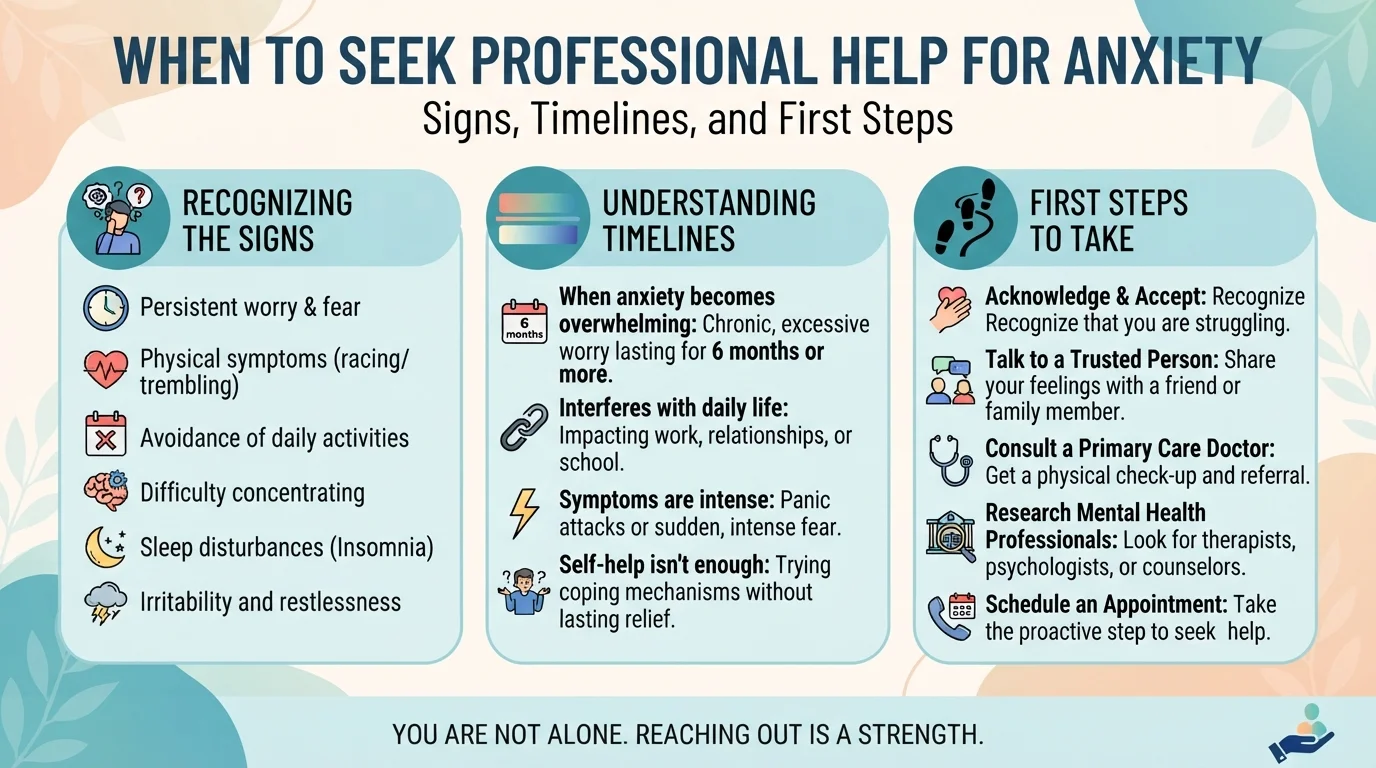
When to Seek Professional Help for Anxiety: Signs, Timelines, and First Steps
Anxiety (anxious distress) is the body's alarm response to a perceived threat, marked by worry, muscle tension, and a faster...
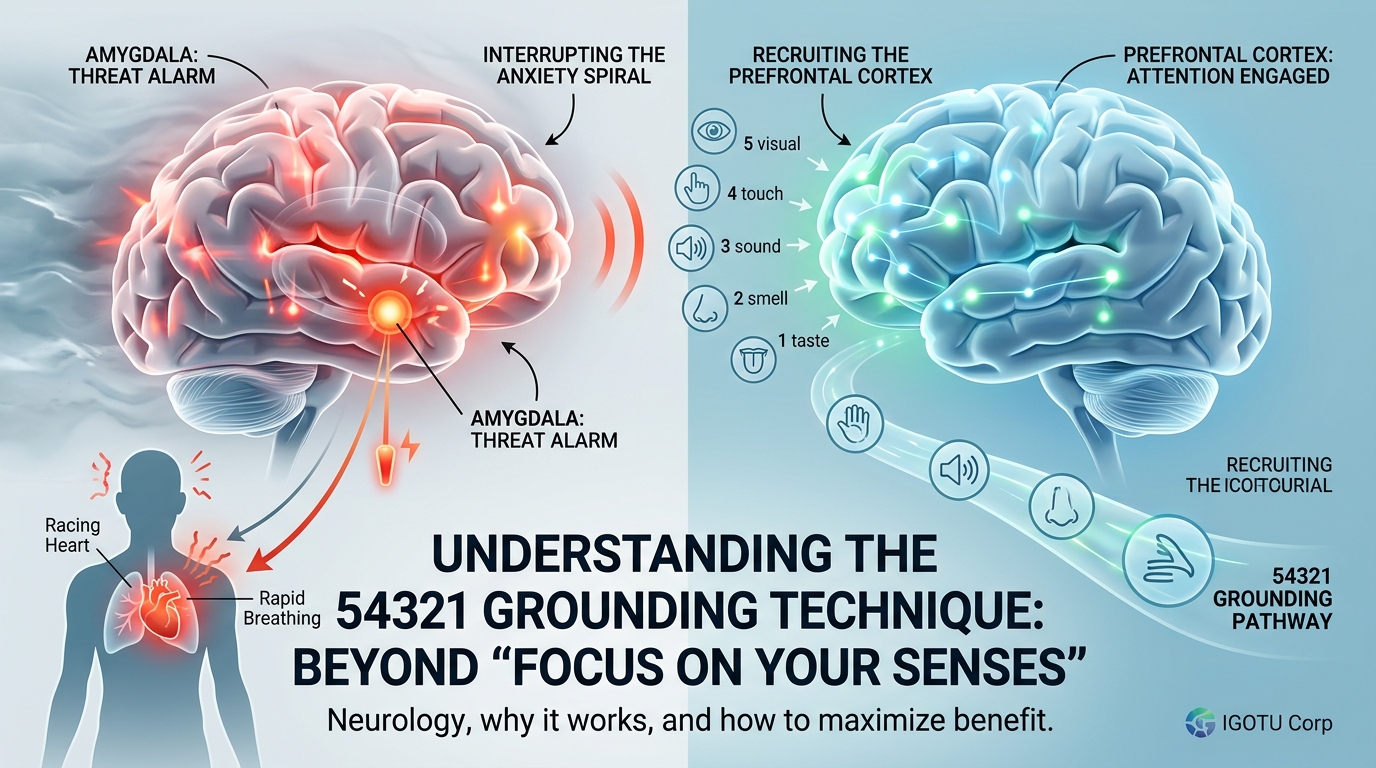
What Is the 54321 Grounding Technique? How Does It Actually Work?
If you have ever looked up what to do during a panic attack, an anxiety spiral, or a moment of...
Can Stress Alone Cause Panic Disorder? IGOTU Corp Guide
The Question That Arrives After the First Attack You were not doing anything dramatic. You were not in danger. You...
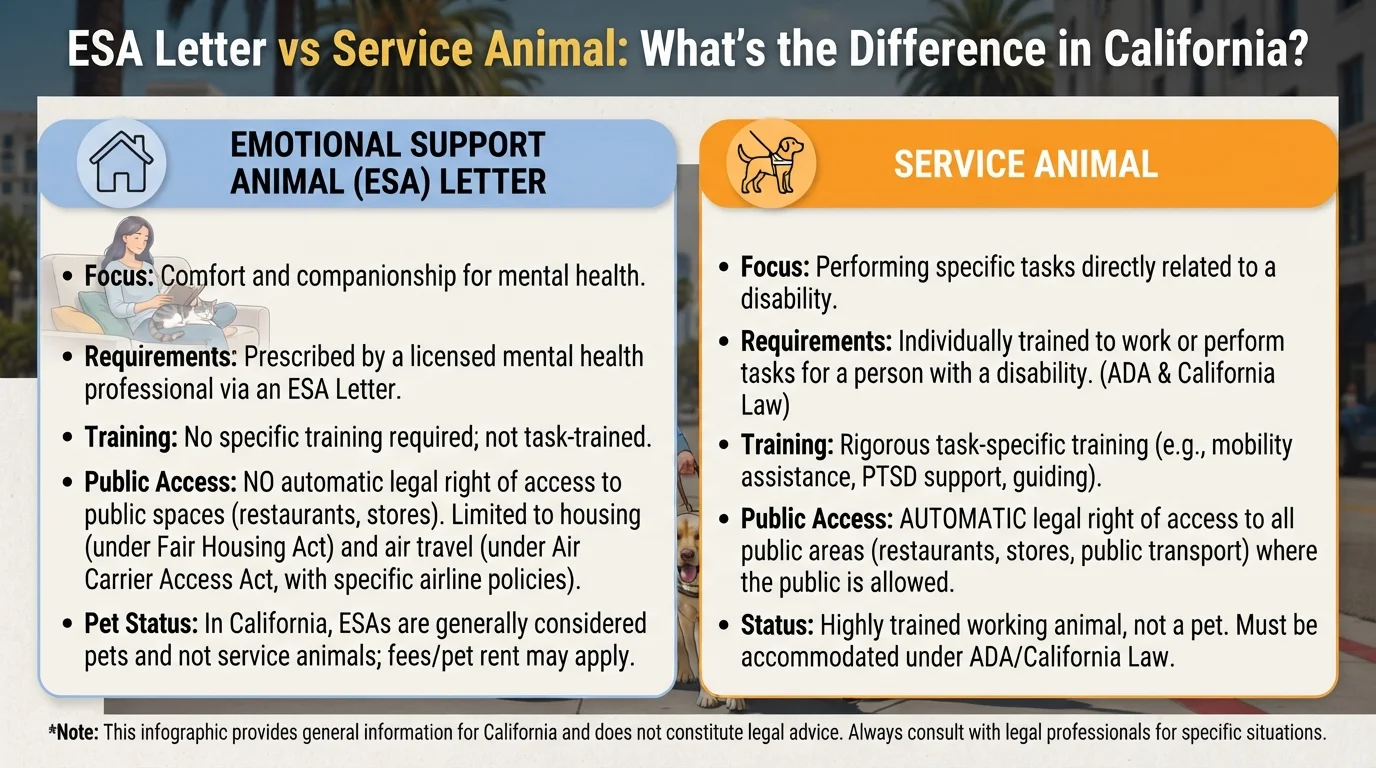
ESA Letter vs Service Animal: What’s the Difference in California?
An ESA letter and a service animal are not the same thing under California or federal law, and confusing the...