
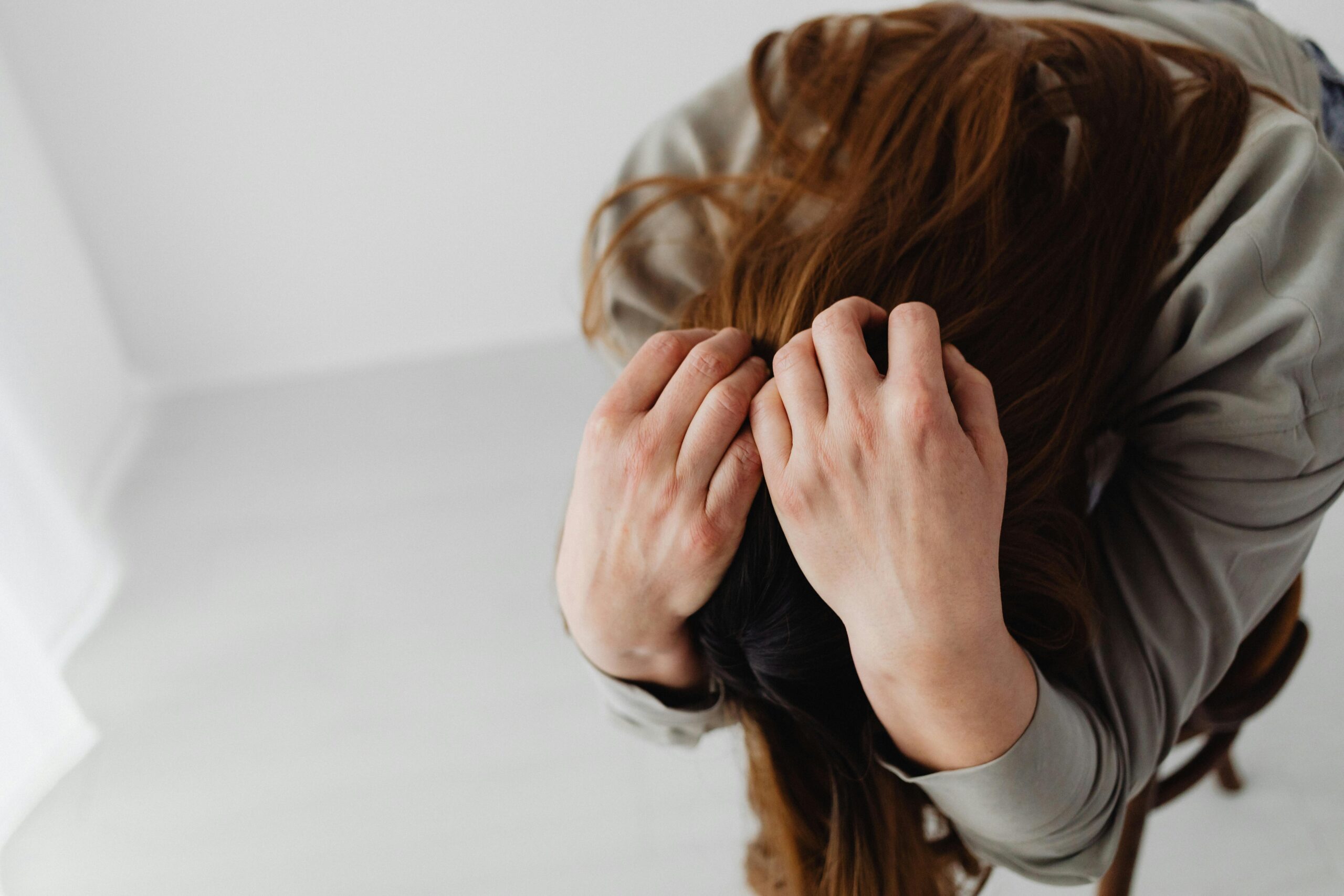
What Does an Anxiety Attack Feel Like When It Happens to You?
What Is an Anxiety Attack, Really?
You’re sitting at your desk, driving to work, or lying in bed about to fall asleep — and then it hits. Your chest tightens. Your heart pounds so hard you can feel it in your throat. Your thoughts race faster than you can track them. You’re not in danger, but every single alarm in your body is screaming that you are.
That is what an anxiety attack feels like from the inside.
The term “anxiety attack” is used widely in everyday conversation, but it’s worth understanding what’s actually happening. In clinical language, what most people call an anxiety attack falls into two overlapping experiences: a panic attack (a sudden, intense surge of fear with strong physical symptoms) or a severe anxiety episode (a more prolonged state of overwhelming worry, dread, and physical tension).
Both are real. Both are debilitating. And both are far more common than most people realize — anxiety disorders affect over 40 million adults in the United States alone, making them the most prevalent mental health condition in the country.
This article is aboutWhat Does an Anxiety Attack Feel Like When It Happens to You — not just the clinical checklist, but the lived, first-person experience of an anxiety attack, explained through the lens of what’s happening biologically and psychologically in real time.
What Triggers an Anxiety Attack?
Before we get into the symptoms, it helps to understand what sets one off — because anxiety attacks don’t always announce themselves, and they don’t always have an obvious cause.
Common triggers include:
External triggers:
- High-stress situations at work or in relationships
- Conflict, confrontation, or public speaking
- Health scares or medical appointments
- Financial pressure or major life changes
- Crowded or enclosed spaces
Internal triggers:
- A racing thought that spirals before you can stop it
- Noticing a physical sensation (a skipped heartbeat, a headache) and catastrophizing it
- Sleep deprivation, which dramatically lowers your threshold for anxiety
- Caffeine, alcohol, or certain medications
- Hormonal fluctuations
The insidious ones — no trigger at all: One of the most distressing aspects of anxiety attacks is that they can appear to come out of nowhere. You’re not stressed. Nothing bad just happened. And yet your nervous system fires as if your life is in danger. This “out of the blue” quality is what makes anxiety so confusing and so frightening — especially the first time it happens.
What Does an Anxiety Attack Feel Like Physically?
This is the question people search for most often — usually because they’re experiencing something terrifying in their body and desperately need to know if they’re dying or going crazy. You are not. But let’s go through exactly what the body does during an anxiety attack, system by system.
Your Heart Feels Like It’s Going to Explode
The most universally reported physical symptom is a pounding, racing, or irregular heartbeat — what doctors call palpitations. During an anxiety attack, your sympathetic nervous system triggers the release of adrenaline (epinephrine), which immediately accelerates your heart rate.
For many people, this feels like their heart is hammering against their ribs. Others describe it as a flutter, a skipping sensation, or a sudden thud. And because the heart is pounding, the next thought is almost always: Am I having a heart attack?
That fear then feeds more adrenaline into the system, which accelerates the heart further. This feedback loop is one of the core mechanisms of an anxiety attack.
Your Chest Feels Tight or Like You Can’t Breathe
Right alongside the heart pounding comes chest tightness — a sensation that ranges from mild pressure to a feeling of being physically crushed. Many people describe it as someone sitting on their chest.
Simultaneously, breathing becomes shallow and rapid. This is called hyperventilation, and it happens because your body is trying to flood your muscles with oxygen to prepare for fight or flight. The paradox is that hyperventilating actually reduces the carbon dioxide in your blood, which causes its own cascade of symptoms: tingling, lightheadedness, and a feeling of unreality.
The combination of chest tightness and breathing difficulty is why so many anxiety attacks end in emergency room visits. People genuinely cannot tell if they’re having a panic attack or a cardiac event — and that confusion is completely understandable.
Your Hands, Feet, or Face Tingle or Go Numb
That pins-and-needles sensation in your hands, feet, or around your mouth is a direct result of hyperventilation and blood redistribution. During a threat response, blood is diverted away from the extremities and toward the large muscle groups — your legs for running, your arms for fighting.
The tingling is your peripheral nervous system responding to those changes. It’s harmless, but it feels deeply alarming when you don’t know what’s causing it.
You Feel Dizzy, Faint, or Like the Room Is Spinning
Dizziness during an anxiety attack comes from multiple sources: hyperventilation, blood pressure fluctuations, muscle tension in the neck and jaw, and the sheer physiological intensity of the stress response. Some people feel like they’re about to faint. Others feel like the floor is tilting beneath them.
Very few people actually faint during an anxiety attack — fainting requires a drop in blood pressure, while anxiety typically raises it. But the feeling of impending collapse is real and terrifying.
Your Muscles Tense Up and May Shake
Adrenaline prepares muscles for explosive action. During an anxiety attack, this means involuntary tension throughout the body — clenched jaw, hunched shoulders, tight stomach, trembling hands or legs. Some people experience full-body shaking. Others notice that their voice changes, goes quiet, or trembles when they try to speak.
This muscle tension, held over a prolonged anxiety episode, is also why people often feel physically exhausted after an anxiety attack, even though they were just sitting still.
Your Stomach Turns
The gut-brain axis is one of the most powerful connections in the human body. During an anxiety attack, digestion shuts down — because when you’re running from a predator, digesting lunch is not a priority. This can produce nausea, cramping, diarrhea, or an urgent need to use the bathroom.
The phrase “sick with worry” is not metaphorical. It is a physiological description of what anxiety does to the digestive system.
You Sweat and Feel Hot or Cold at the Same Time
Sweating is another adrenaline-driven response — your body preparing to cool itself during physical exertion. But during an anxiety attack where you’re not actually moving, this can manifest as sudden hot flashes, cold sweats, clamminess, or the strange experience of feeling simultaneously overheated and chilled.
What Does an Anxiety Attack Feel Like Mentally and Emotionally?
The physical symptoms are only half the story. The mental experience of an anxiety attack is equally overwhelming — and in some ways harder to describe.
A Sense of Impending Doom
This is one of the most commonly reported and least understood symptoms. Many people during an anxiety attack describe an overwhelming feeling that something terrible is about to happen — not a specific fear, but a global, bone-deep certainty of catastrophe.
There’s no rational trigger for this feeling. It arrives with the adrenaline. It is the emotional translation of your nervous system’s threat signal, and it is one of the most distressing aspects of the experience precisely because it can’t be argued with in the moment.
The Fear That You’re Dying
When your heart is pounding, your chest is tight, you can’t breathe, and your arms are tingling — your brain runs its pattern-matching algorithm and returns one answer: cardiac arrest. This is not irrational. These symptoms genuinely overlap with a heart attack.
The terror of dying during an anxiety attack is real, and it intensifies every symptom it touches. This is the core of the anxiety feedback loop — fear of the symptoms creates more adrenaline, which creates more symptoms, which creates more fear.
The Fear That You’re Losing Your Mind
Equally common — and equally terrifying — is the fear during an anxiety attack that you are going insane. Thoughts feel disorganized and uncontrollable. You feel unlike yourself. You might notice yourself thinking things that seem strange or intrusive. You might feel like you’ve lost grip on reality.
This fear is a symptom, not a fact. Anxiety does not cause psychosis. But in the midst of an attack, that distinction is very hard to hold onto.
Derealization and Depersonalization
These two experiences deserve their own mention because they are so disorienting that people rarely know what to call them.
Derealization is when the world around you feels unreal — like you’re looking at everything through glass, or like the environment has become a flat, two-dimensional backdrop rather than a real place you’re inside.
Depersonalization is when you feel unreal — like you’re watching yourself from outside your body, or like your hands aren’t quite your hands, or like there’s a layer of distance between you and your own experience.
Both are extremely common during anxiety attacks. Both are the brain’s protective dissociation response to overwhelming stimulation. And both are deeply frightening if you’ve never experienced them before.
Catastrophic, Racing Thoughts
The mind during an anxiety attack does not slow down. It accelerates — spiraling through worst-case scenarios faster than you can consciously process them. What if this is a heart attack. What if I collapse here. What if I lose control. What if everyone can see this. What if I can’t stop this. What if this never ends.
This cognitive flooding is called catastrophic thinking, and it is both a symptom and a driver of the anxiety attack. The thoughts fuel the adrenaline, which fuels the thoughts.
Feeling Trapped and Desperate to Escape
Whether you’re in a crowded room, on a highway, in a meeting, or lying in your own bed — during an anxiety attack, the overwhelming impulse is to get out. To escape to somewhere safe, somewhere quiet, somewhere the feeling will stop.
This urge to escape is powerful and instinctive. Acting on it repeatedly, however, is one of the primary ways that anxiety attacks lead to avoidance behaviors and, eventually, agoraphobia or social withdrawal.
How Long Does an Anxiety Attack Last?
This is one of the most searched questions — and the answer genuinely varies.
A panic attack (the acute, peak-intensity form) typically lasts 10 to 20 minutes, with most reaching their worst point within 10 minutes. They are intense precisely because they are brief — the body cannot sustain that level of adrenaline discharge for long.
A prolonged anxiety episode — the kind where dread, physical tension, and racing thoughts build and persist without quite peaking — can last hours or even an entire day, leaving you exhausted, raw, and on edge for the remainder.
The aftermath matters too. Many people experience what’s sometimes called an anxiety hangover — a period of fatigue, emotional flatness, sore muscles, and hypersensitivity that can last 24 hours or more after a significant anxiety attack.
Anxiety Attack vs. Panic Attack: Is There a Difference?
Yes — though the terms are used interchangeably in everyday speech.
A panic attack is a specific clinical phenomenon defined in the DSM-5: a sudden surge of intense fear that peaks within minutes and includes at least 4 of 13 defined symptoms (heart palpitations, sweating, trembling, shortness of breath, chest pain, nausea, dizziness, derealization, fear of dying, fear of losing control, and others).
An anxiety attack is not a formal DSM diagnosis but rather a colloquial term that most people use to describe a severe anxiety episode — which may be less sudden, more prolonged, and more tied to a specific worry or trigger.
In practice: panic attacks tend to be sudden, intense, and relatively brief. Anxiety attacks tend to build more gradually and last longer. Both are real. Both are exhausting. And both respond to similar treatments.
What Does an Anxiety Attack Feel Like the First Time?
The first anxiety attack is almost universally described as one of the most frightening experiences of a person’s life — precisely because they have no framework for what’s happening.
People describe calling ambulances. Sitting in emergency rooms convinced they were dying of a heart attack. Pulling over on highways. Walking out of important meetings. Calling their parents in tears.
And then being told — after tests, scans, and examinations — that everything is physically fine.
That “all clear” should be reassuring. But for many people, it opens a different kind of fear: If nothing is physically wrong, what IS this? Am I going crazy? Will it happen again?
That question — will it happen again? — is often where anxiety disorder is born. The fear of having another anxiety attack becomes its own anxiety, which makes another attack more likely. This is the cycle that CBT, CBT-I, and other evidence-based treatments are designed to break.
Anxiety Attacks at Night: Why Sleep Makes It Worse
Nocturnal anxiety attacks — waking up suddenly in a state of terror, heart pounding, gasping — are more common than most people realize. They happen during transitions between sleep stages, and they can feel even more disorienting than daytime attacks because the boundary between dreaming and waking is already blurred.
Nighttime anxiety also creates a devastating secondary problem: anticipatory anxiety about sleep itself. Once you’ve experienced an anxiety attack in bed, your brain begins to associate the bedroom with threat. You start dreading bedtime. You lie awake monitoring yourself for signs of an impending attack. And in doing so, you create the very hyperarousal state that makes an attack more likely.
This is the intersection of sleep anxiety and panic disorder — and it’s one of the reasons that CBT-I (Cognitive Behavioral Therapy for Insomnia) is increasingly being integrated into anxiety treatment plans alongside standard CBT.
What Actually Helps During an Anxiety Attack?
Knowing what to do in the middle of an anxiety attack is genuinely life-changing. Here are evidence-backed techniques:
Controlled breathing (physiological sigh): Breathe in deeply through your nose, then take a second sharp inhale to fully inflate your lungs, then exhale slowly through your mouth. This technique, studied at Stanford, has been shown to rapidly reduce physiological arousal. It directly counteracts hyperventilation.
5-4-3-2-1 grounding: Name 5 things you can see, 4 you can touch, 3 you can hear, 2 you can smell, 1 you can taste. This sensory inventory pulls your attention out of catastrophic thought and back into the present physical environment.
Accept rather than fight: Counterintuitively, fighting an anxiety attack makes it worse. The more you tell yourself stop, stop, stop, the more adrenaline you generate. Saying internally this is anxiety, it is uncomfortable but not dangerous, I will let it pass — reduces the fear of the symptoms, which reduces the symptoms themselves.
Cold water: Splashing cold water on your face activates the diving reflex, which immediately slows heart rate. It is one of the fastest physiological interventions available.
Movement: If possible, walking or any form of physical activity metabolizes the adrenaline that’s flooding your system — giving your body what it prepared for, which helps the stress response wind down naturally.
Avoid caffeine and stimulants: Caffeine dramatically lowers the threshold for anxiety attacks. If you’re prone to them, reducing or eliminating caffeine is one of the highest-impact lifestyle changes you can make.
When Should You Seek Professional Help for Anxiety Attacks?
Occasional anxiety is a normal human experience. Anxiety attacks that are frequent, severe, or beginning to change your behavior — that’s when professional support becomes not just helpful but necessary.
Seek help if:
- You’re having anxiety attacks more than once or twice a month
- You’ve started avoiding places, situations, or activities because of fear of an attack
- You’re using alcohol or substances to manage anxiety
- The attacks are affecting your sleep, work, or relationships
- You’ve visited an emergency room believing you were having a heart attack
- The anxiety is accompanied by persistent low mood or hopelessness
Effective treatments include Cognitive Behavioral Therapy (CBT), exposure therapy, medication (SSRIs, SNRIs), EMDR for trauma-based anxiety, and CBT-I for anxiety-related sleep disruption. Most people with anxiety disorders see significant improvement with the right support.
Get Legitimate Mental Health Support Through IGOTU Corp
You don’t have to white-knuckle your way through anxiety attacks alone or spend months on a waiting list hoping for help. IGOTU Corp connects you with licensed mental health professionals who specialize in anxiety disorders — providing real, evidence-based support that goes far beyond generic advice.
Whether you’re experiencing anxiety attacks for the first time or have been managing them for years without the right tools, IGOTU Corp’s network of therapists can help you understand what’s happening in your body, develop a personalized treatment plan, and give you skills that actually work in the moment an attack hits.
Visit IGOTU Corp today and take their free mental health assessment — because anxiety attacks are treatable, and you deserve support that’s built around your specific experience.
Frequently Asked Questions (FAQs) About Anxiety Attacks
Q: Can an anxiety attack actually kill you? No. Despite how physically terrifying they feel, anxiety attacks are not life-threatening. The heart palpitations, chest tightness, and breathing difficulty are caused by adrenaline, not by cardiac damage. That said, if you are experiencing chest pain and are unsure whether it’s anxiety or a cardiac event — especially for the first time — seeking medical evaluation is always the right call.
Q: Why do anxiety attacks happen for no reason? The brain’s threat-detection system (the amygdala) can misfire — especially in people who have experienced prolonged stress, trauma, sleep deprivation, or who have a genetic predisposition to anxiety. When it fires without an obvious external threat, the result is an anxiety attack that feels completely unprompted. It’s not random — there are neurological reasons — but the trigger isn’t always identifiable in the moment.
Q: What is the difference between an anxiety attack and a heart attack? This is one of the most important questions, and the honest answer is: the symptoms genuinely overlap, and you cannot always tell the difference in the moment. Heart attack symptoms that distinguish it from anxiety include pain that radiates to the jaw, left arm, or back; a crushing (not tight) chest sensation; symptoms that don’t improve with breathing or calming techniques; and symptoms that occur during physical exertion. When in doubt, seek medical attention. A doctor can rule out cardiac causes quickly.
Q: Can anxiety attacks cause physical damage to the body? Occasional anxiety attacks do not cause lasting physical harm. However, chronic, frequent, untreated anxiety is associated with long-term health impacts including elevated cortisol (which affects immunity, metabolism, and cardiovascular health), poor sleep quality, and increased inflammation. This is another reason treating anxiety disorders effectively matters beyond just comfort.
Q: Do anxiety attacks get worse over time if untreated? They can. Without treatment, the avoidance behaviors that develop around anxiety attacks often expand — restricting your life more and more. Additionally, the anticipatory anxiety (fear of having another attack) can become a primary anxiety disorder in itself. Early intervention produces better outcomes.
Q: Can children have anxiety attacks? Yes. Anxiety disorders are among the most common mental health conditions in children and adolescents. Children often express anxiety attacks differently — through stomachaches, headaches, clinging behavior, school refusal, or tantrums — rather than the classic adult presentation. Childhood anxiety is highly treatable with age-appropriate CBT.
Q: Is medication necessary to treat anxiety attacks? Not always. Many people achieve significant improvement through therapy alone — particularly CBT, which has the strongest evidence base for panic disorder and generalized anxiety. For others, a combination of therapy and medication (typically SSRIs or SNRIs) produces the best results. This decision should be made in consultation with a licensed clinician.
Q: Can anxiety attacks happen during sleep? Yes. Nocturnal panic attacks — waking suddenly in a state of intense fear and physical arousal — are well-documented and affect a significant portion of people with panic disorder. They are distinct from nightmares, as they occur during non-REM sleep rather than dreaming phases.
Q: What is an anxiety hangover? An anxiety hangover refers to the period of fatigue, emotional flatness, muscle soreness, and lingering sensitivity that many people experience in the 12–24 hours following a significant anxiety attack. It’s the body’s recovery period after the intense adrenaline discharge of the attack.
Q: Where can I get real, professional help for anxiety attacks? Start by speaking with a licensed mental health professional who specializes in anxiety disorders. IGOTU Corp makes that connection straightforward — matching you with licensed therapists who have specific expertise in panic disorder, generalized anxiety, and related conditions. Their process is fast, clinically legitimate, and designed for people who are ready to stop managing their anxiety alone. Visit IGOTU Corp to get started.
The Bottom Line: What You’re Feeling Is Real, and It Is Treatable
An anxiety attack is one of the most frightening things the human body can produce — not because it is dangerous, but because it is convincing. Every alarm is going off. Every instinct is screaming. And you are, physically and cognitively, in a state of emergency — even when the world around you is perfectly calm.
Understanding what’s happening — that it’s adrenaline, not cardiac arrest; that it’s your nervous system, not your sanity failing — doesn’t make the attack stop. But over time, that understanding changes your relationship to the attacks. The fear of the fear begins to loosen. The catastrophic interpretation softens. And slowly, the attacks become less frequent, less intense, and less defining.
That process doesn’t have to happen alone. Millions of people have walked through exactly what you’re experiencing and found their way to the other side — not by being tougher or more disciplined, but by getting the right support.
IGOTU Corp is here to be part of that support. Connect with a licensed therapist today, and start building the tools that will change how anxiety attacks feel — and how much power they have over your life.
This article is for informational purposes only and does not constitute medical or psychological advice. If you believe you are experiencing a medical emergency, call emergency services immediately. For personalized mental health guidance, please consult a licensed healthcare professional.
Recent Posts
Related Posts
How to Set Boundaries Without Guilt: Stop People Pleasing
You said yes again. You knew while the words were leaving your mouth that you did not want to say...
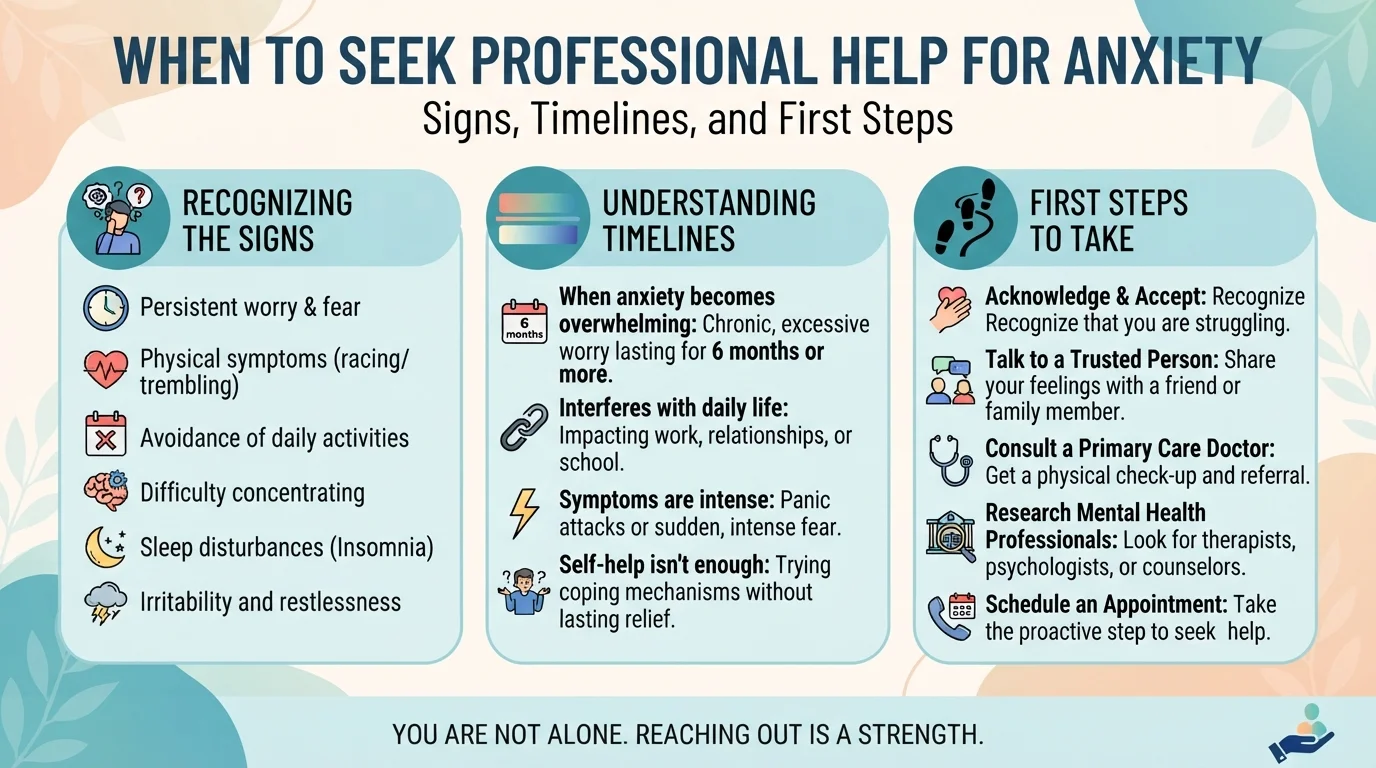
When to Seek Professional Help for Anxiety: Signs, Timelines, and First Steps
Anxiety (anxious distress) is the body's alarm response to a perceived threat, marked by worry, muscle tension, and a faster...
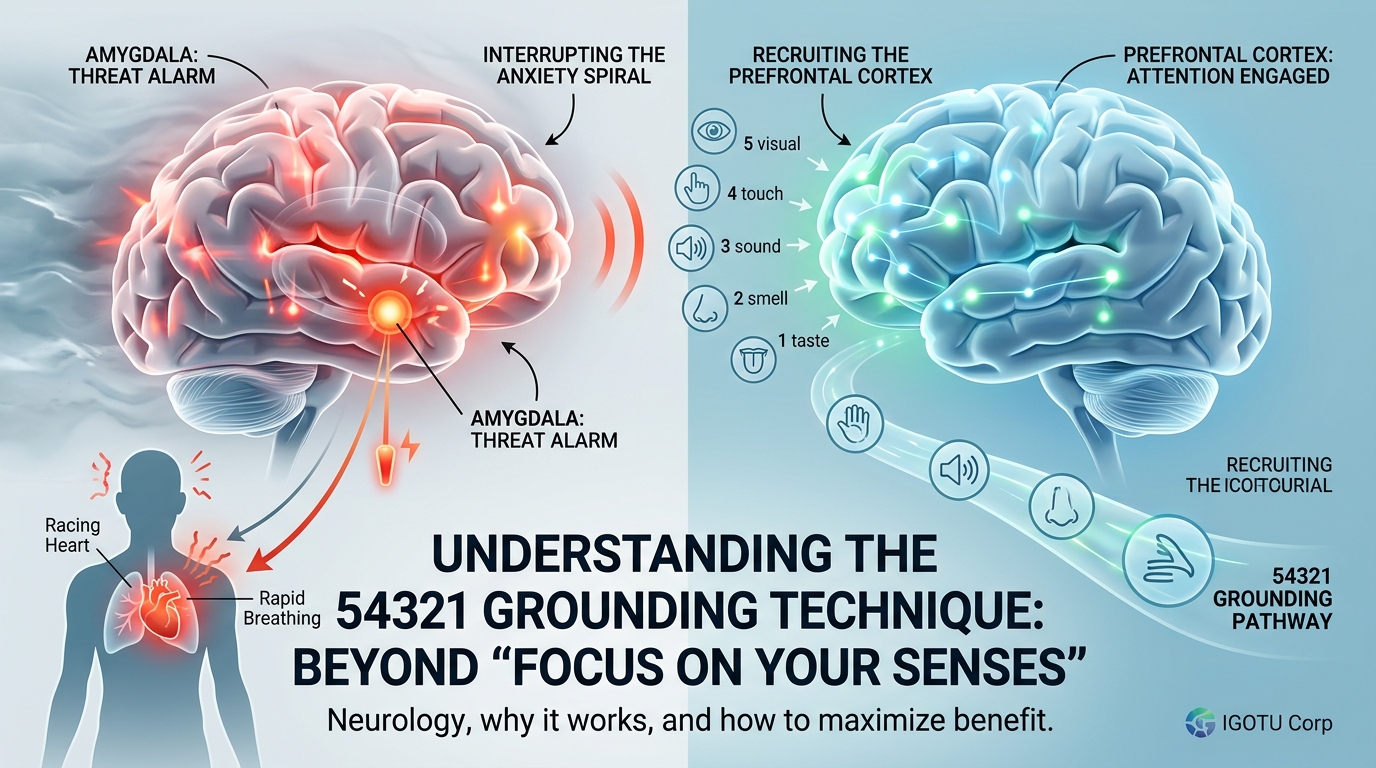
What Is the 54321 Grounding Technique? How Does It Actually Work?
If you have ever looked up what to do during a panic attack, an anxiety spiral, or a moment of...
Can Stress Alone Cause Panic Disorder? IGOTU Corp Guide
The Question That Arrives After the First Attack You were not doing anything dramatic. You were not in danger. You...
ESA Letter vs Service Animal: What’s the Difference in California?
An ESA letter and a service animal are not the same thing under California or federal law, and confusing the...