
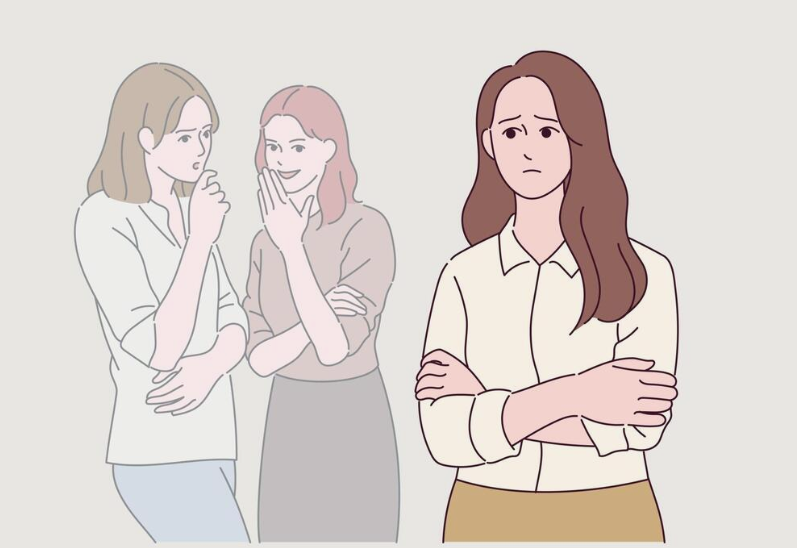
What Is Social Anxiety Disorder? 5 Steps to Handle it
You are standing outside the door of a room full of people. From the outside, nothing looks wrong. But inside — your heart is hammering, your thoughts are racing through every possible way this could go badly, your face is already warming with the anticipation of blushing, and some part of your brain is running frantic calculations about whether the discomfort of going in is worse than the discomfort of turning around and going home.
You go in. You find a corner. You monitor every interaction with the concentration of someone defusing a bomb. You leave exhausted. And that night, you replay everything you said, everything you should have said, and everything that might have made someone think less of you.
This is not shyness. This is not introversion. This is not a personality quirk to be worked around or a social skill to be practiced into submission. This is social anxiety Disorder — a clinically recognized, neurobiologically grounded condition that affects approximately one in thirteen people globally and that quietly, systematically takes things from the people who live with it: opportunities, relationships, experiences, and years of a life spent smaller than it needed to be.
This article explains what social anxiety disorderr actually is — completely and honestly — and then gives you five evidence-based steps that genuinely help handle it. Not inspirational advice. Not tips to fake confidence. Steps that work because they target the actual mechanisms that maintain social anxiety.
What Is Social Anxiety? The Complete Answer
Social Anxiety Disorder — also called social phobia — is a persistent, intense fear of social or performance situations in which a person believes they might be scrutinized, evaluated, or judged negatively by others. The fear is not proportionate to the actual threat. It produces significant distress, drives significant avoidance, and causes significant impairment in the person’s daily functioning — in work, in relationships, in education, and in the ordinary activities of being a social creature in a social world.
The clinical definition matters because it establishes what social anxiety is not: it is not extreme shyness, it is not introversion, and it is not a character flaw.
Shyness is a temperamental trait involving discomfort in unfamiliar social situations that typically diminishes as familiarity increases and does not drive significant avoidance or impairment.
Introversion is a personality dimension — a preference for less social stimulation, a tendency to find social interaction draining — that is not associated with clinical levels of fear and does not prevent the person from engaging in social situations they want to be in.
Social anxiety disorder involves a fear response that is neurologically real, neurologically driven, and neurologically resistant to ordinary willpower — which is why “just be more confident” is not only unhelpful advice but actively harmful, because it frames a clinical condition as a motivational failure.
What Specifically Do People With Social Anxiety Fear?
The core fear in social anxiety is negative evaluation — the belief that others are watching you critically, assessing you closely, and finding you lacking. This fear manifests across a wide range of situations:
Speaking in meetings or groups. Making phone calls when others can hear. Eating or drinking in public. Being introduced to new people. Using public restrooms. Being the center of attention — even positive attention. Making eye contact. Starting or maintaining conversations. Returning items to a store. Asserting opinions that might be challenged. Performing any task while being observed.
Not everyone with social anxiety fears all of these situations equally. Some people have generalized social anxiety — fear across most social situations. Others have performance anxiety — fear specifically in situations requiring them to perform, speak, or be observed completing a task. Both are clinical presentations of the same underlying condition.
The Neuroscience of Social Anxiety Disorder
Social anxiety is rooted in the amygdala — the brain’s threat detection center. In social anxiety disorder, the amygdala is hyperreactive to social threat stimuli: faces expressing critical or negative emotion, situations involving evaluation, and environments associated with past social pain.
When you walk into a room full of people and your heart pounds, when your mind goes blank during a presentation, when your face flushes during a conversation — these are not personality characteristics. They are the physiological stress response firing in a social context, produced by an amygdala calibrated to treat social threat with the same urgency as physical danger.
Neuroimaging research has consistently shown that people with social anxiety disorder show significantly heightened amygdala activation in response to social stimuli compared to people without the condition. The fear is neurologically real. It cannot be overridden by willpower alone — which is why the steps below target the neurology rather than simply trying to push through it.
What Maintains Social Anxiety: The Three-Part Cycle
Social anxiety is maintained by three interconnected mechanisms that feed each other continuously:
Cognitive distortions: The anxious brain consistently overestimates how critically others are evaluating you, overestimates the probability that things will go wrong, and underestimates your ability to cope with social situations even if they are imperfect. These cognitive biases operate automatically and feel like factual assessments rather than distortions.
Behavioral avoidance: Avoiding feared social situations provides immediate relief — the anxiety deactivates when the trigger is removed — which powerfully reinforces the avoidance behavior. But avoidance also prevents the brain from learning that the feared situation is actually safe or manageable, which means the anxiety remains intact for the next encounter.
Safety behaviors: When avoidance is not possible, people with social anxiety employ safety behaviors — strategies designed to manage the anxiety and prevent the feared outcome. Minimizing speaking, over-preparing scripts, avoiding eye contact, using alcohol to take the edge off, staying near exits. These behaviors provide short-term relief but maintain the anxiety long-term because they prevent the brain from learning that the situation is manageable without them.
Understanding these three mechanisms is the foundation of the five steps below — because each step targets one or more of them directly.
Who Develops Social Anxiety and Why?
Social anxiety does not develop randomly. It emerges from a combination of biological vulnerability and experiential factors — and understanding the contributing factors can reduce the shame that social anxiety frequently produces.
Biological Factors
Social anxiety has a meaningful heritable component — twin studies estimate heritability at approximately 30-50%. People with a family history of anxiety disorders are at elevated biological risk. Temperamental inhibition in childhood — a tendency toward wariness and withdrawal in response to unfamiliar stimuli — is one of the strongest childhood predictors of social anxiety in adulthood.
The amygdala’s hyperreactivity to social threat that underlies social anxiety is at least partly a genetic trait — some people’s threat-detection systems are simply more sensitive than others’, and that sensitivity interacts with experience to produce the clinical condition.
Experiential Factors
Negative social experiences — significant social rejection, bullying, humiliation, or ridicule, particularly during childhood and adolescence — can sensitize the social threat system in ways that produce lasting anxiety. These experiences teach the developing nervous system that social situations are dangerous, and that teaching persists long after the specific experiences are in the past.
Parenting style also plays a role. Overprotective parenting that limits exposure to social challenge, or critical parenting that generates excessive concern about others’ evaluations, can contribute to the development of social anxiety.
Social anxiety often first becomes clinically significant in adolescence — when social evaluation becomes more intense, more consequential, and more central to identity formation. Many adults with social anxiety can trace the beginning of the condition to their teenage years, though the seeds were often present earlier.
How Social Anxiety Shows Up in Daily Life
Before moving to the five steps, it is worth briefly describing how social anxiety manifests in daily life — because recognition is the first step toward change, and many people do not recognize their experience as social anxiety because it has been present so long it feels like personality.
Physically: Racing heart, chest tightness, shallow breathing, blushing, sweating, trembling, nausea, dry mouth, mind going blank. These symptoms occur in anticipation of social situations as well as during them.
Cognitively: Excessive pre-event rehearsal and rumination. Post-event analysis replaying everything that went wrong. Automatic negative predictions about social outcomes. Heightened awareness of others’ reactions and expressions. Difficulty concentrating during social interactions because attention is divided between the interaction and the internal monitoring of anxiety symptoms.
Behaviorally: Avoidance of feared social situations. Safety behaviors during unavoidable situations. Cancellation of social commitments at the last minute. Reliance on alcohol in social contexts. Progressive restriction of social participation over time.
Emotionally: Intense shame following social interactions that felt imperfect. Loneliness from the isolation that avoidance produces. Envy of people who seem to navigate social situations easily. Frustration at the gap between who you want to be socially and how you actually behave.
In daily functioning: Turning down promotions that involve more public speaking. Avoiding networking that would advance a career. Declining relationships that require more social exposure than feels manageable. Missing experiences — parties, gatherings, performances, classes — that would enrich life.
Step 1: Understand the Cycle Before You Try to Break It
The first step in handling social anxiety effectively is not a technique. It is understanding — specifically, understanding the three-part maintenance cycle described above well enough to recognize it operating in your own life.
This matters because social anxiety is highly self-concealing. The avoidance feels like self-care. The safety behaviors feel like reasonable precautions. The cognitive distortions feel like accurate assessments. From inside the cycle, every element of it feels justified and rational.
The first step is developing the capacity to observe the cycle from outside it — to notice “I am avoiding this because my brain has tagged it as threatening” rather than “I am not going to this event because it’s not really worth it.” To notice “I am preparing obsessively because I’m anxious, not because preparation will make me safer” rather than “I just like to be well-prepared.” To notice “I am monitoring my own performance in this conversation instead of actually being in it” rather than “I’m naturally self-aware.”
How to Practice This Step
Keep a social anxiety journal for two weeks. Before, during, and after social situations — or anticipated social situations — note what happened, what thoughts arose, what physical symptoms occurred, what behaviors you engaged in, and what the immediate and longer-term consequences were.
This journaling exercise does several things simultaneously: it builds awareness of your specific patterns, it creates distance between you and the automatic responses of the cycle, and it provides concrete material for the therapeutic work in subsequent steps.
You are not trying to change anything at this stage. You are trying to see clearly what is actually happening — because you cannot change a pattern you cannot see.
Step 2: Challenge the Distorted Thinking That Feeds the Fear
The cognitive component of social anxiety — the automatic distortions that maintain the fear — is the target of this step. These distortions operate automatically, feel factual, and are deeply resistant to ordinary positive thinking. They require something more structured: cognitive restructuring.
Cognitive restructuring is not telling yourself that everything will be fine. It is systematically examining the evidence for and against the anxious thought — treating it like a hypothesis to be tested rather than a fact to be accepted.
The most common cognitive distortions in social anxiety include:
Mind reading: Assuming you know what others are thinking — “everyone noticed I stumbled over my words,” “she thinks I’m boring.” The reality: people are far more focused on their own experience than on evaluating yours.
Catastrophizing: Imagining the worst possible outcome as the most likely one — “I’ll say something stupid and everyone will think I’m an idiot and it will ruin everything.” The reality: even imperfect social performances rarely have the catastrophic consequences anxiety predicts.
The spotlight effect: Believing you are far more visible to others than you actually are — that your anxiety, your blushing, your nervousness, your awkward pause are being observed and judged by everyone present. Research by Thomas Gilovich at Cornell has consistently shown that people dramatically overestimate how much others notice and remember about them.
Post-event processing bias: Replaying social events and filtering for evidence of failure while ignoring evidence of success. A two-hour dinner in which ninety minutes went well and ten minutes were awkward gets remembered and reviewed as evidence of social inadequacy.
How to Practice This Step
When an anxious social thought arises, write it down and then ask:
What is the evidence for this thought? What is the evidence against it? What would I say to a good friend who had this thought? What is the most realistic outcome, as opposed to the catastrophic one? Even if the feared outcome occurred, could I cope with it?
This process does not make the anxiety disappear immediately — the amygdala does not respond to logic in the short term. But repeated, consistent cognitive restructuring gradually shifts the automatic interpretations toward more accurate, balanced assessments — which over time reduces the intensity and frequency of the anxiety response.
Step 3: Face the Fear Systematically — Not All at Once
This is the most powerful and most avoided step — and the one that the research most consistently identifies as the primary mechanism of lasting change in social anxiety.
Exposure therapy — systematically approaching feared social situations rather than avoiding them — is the behavioral intervention that directly targets the avoidance mechanism that maintains social anxiety. It works through a neurobiological process called inhibitory learning: when you approach a feared situation and the catastrophic outcome does not occur, your brain learns — at the level of the amygdala, not just the prefrontal cortex — that the situation is safer than the anxiety predicted. This learning gradually inhibits the automatic fear response.
The critical word is systematically. Throwing yourself into the most frightening social situation available produces overwhelming anxiety that prevents learning. Exposure works when it is graded — building from situations that produce manageable anxiety toward situations that produce more intense anxiety, with sufficient time at each level for the nervous system to learn and adapt.
How to Build an Exposure Hierarchy
Write a list of social situations you currently avoid or approach with safety behaviors, ordered from least to most anxiety-provoking. Assign each a rough anxiety rating from 0 to 100.
A sample hierarchy for someone with generalized social anxiety might look like:
Saying hello to a neighbor — 20. Making eye contact and smiling at a stranger — 25. Making a phone call to a business — 35. Asking a question in a small meeting — 45. Having a conversation with someone new at a small gathering — 55. Eating lunch in a cafeteria — 60. Attending a party where you know few people — 70. Asking someone out — 80. Speaking in a group meeting — 85. Giving a presentation — 95.
Begin with situations in the 20 to 40 range. Approach them without safety behaviors. Stay in the situation until the anxiety has peaked and begun to subside — which typically takes 20 to 45 minutes. The anxiety will decrease within the situation (within-session habituation) and will be slightly lower the next time you approach the same situation (between-session learning).
Move up the hierarchy only when lower-level situations produce manageable anxiety. The pace is individual — some people move quickly, others more slowly — but the direction is consistently toward approach rather than avoidance.
Step 4: Drop the Safety Behaviors That Keep You Stuck
This step is closely linked to Step 3 but deserves separate treatment because safety behaviors are so ubiquitous in social anxiety — and so thoroughly convincing as necessary — that most people do not recognize them as part of the problem.
Safety behaviors are the strategies people use to manage anxiety in social situations they cannot avoid — and the reason they are a problem is precisely that they work in the short term. They reduce anxiety in the moment, which reinforces their use, while simultaneously preventing the brain from learning that the situation is manageable without them.
The person who always has a drink in hand at a party never learns that they can manage social situations sober. The person who always sits near the exit never learns that being further into the room is survivable. The person who scripts every response never learns that spontaneous conversation is possible. The person who always deflects personal questions never learns that being known is safe.
Dropping safety behaviors is not about being reckless. It is about giving your nervous system the information it needs to learn — that you are capable, that others are not as critical as anxiety predicts, and that imperfect social performance is survivable.
How to Practice This Step
Identify your specific safety behaviors — be honest with yourself, because safety behaviors often feel like reasonable precautions rather than anxiety management strategies.
In your exposure practice (Step 3), conduct exposures without safety behaviors whenever possible. If you always stand near the door at gatherings, stand in the middle. If you always have a prepared topic to talk about, go in without one. If you always check your phone to avoid awkward silences, leave the phone in your pocket.
The discomfort of dropping safety behaviors is real and immediate. The learning that follows is also real — and more durable than anything the safety behavior provides.
Step 5: Build a Consistent Practice and Seek Professional Support
The four steps above are not one-time interventions. They are practices — and like all practices, their effectiveness is determined primarily by consistency over time rather than intensity in isolated moments.
Social anxiety has typically been present for years by the time a person begins to address it deliberately. The neural pathways it has established — the automatic fear responses, the habitual avoidance patterns, the cognitive distortions that operate in milliseconds — are deeply ingrained. They do not restructure in a week or a month. They restructure through repeated, consistent practice across time.
This means:
- Journaling regularly — not just when things are particularly bad, but consistently enough to build self-knowledge of your patterns.
- Practicing cognitive restructuring whenever anxious social thoughts arise — not just in formal exercises, but as an ongoing mental habit.
- Completing exposure practices regularly — not once or twice, but consistently enough to build the cumulative learning that produces lasting change in the fear response.
- Dropping safety behaviors systematically across multiple situations — building the evidence base that tells your nervous system you are capable of managing social situations without them.
- And — critically — seeking professional support to guide and accelerate this process.
Why Professional Support Changes the Outcome
Each of the five steps above is drawn directly from Cognitive Behavioral Therapy (CBT) for social anxiety — the most extensively researched and most consistently effective treatment for the condition. Working with a licensed therapist who is trained in CBT for social anxiety does not replace the work described in these steps. It makes every step more effective.
A trained therapist helps you identify the specific cognitive distortions most relevant to your presentation — rather than applying generic examples. They help you construct an exposure hierarchy calibrated to your specific fears and your specific anxiety levels. They guide you through the most difficult exposures with clinical skill — managing the pace, addressing what comes up, and ensuring that the exposure produces inhibitory learning rather than overwhelming distress. They identify safety behaviors that are invisible to you from the inside. And they provide the accountability and support that makes consistent practice sustainable over time.
Get Professional Support for Social Anxiety Through IGOTU Corp
Social anxiety is one of the most treatable conditions in psychiatry. The research on CBT for social anxiety shows meaningful improvement for the majority of people who receive it — not just symptom reduction, but genuine expansion of the life that anxiety has been quietly restricting.
What makes the difference between improvement and genuine recovery is almost always the quality and specificity of the clinical support.
IGOTU Corp connects you with licensed mental health professionals who specialize specifically in social anxiety disorder — clinicians trained in CBT, exposure therapy, ACT, and the full range of evidence-based approaches that produce real, lasting change in social anxiety. Their matching process is built around clinical fit — ensuring that you are connected with a therapist who has genuine expertise in social anxiety, not just general mental health experience.
Whether you have been living with social anxiety for years without adequate support, have tried therapy before without receiving the specific, structured treatment that social anxiety requires, or are recognizing the condition in yourself for the first time — IGOTU Corp’s licensed therapist network is equipped to meet you exactly where you are.
Visit IGOTU Corp today, take their free social anxiety assessment, and get matched with a licensed therapist who specializes in what you’re actually dealing with. Because the life that social anxiety has been taking from you piece by piece is worth fighting to get back — and the right clinical support makes that fight both possible and winnable.
How Long Does It Take to Handle Social Anxiety?
This is one of the most important practical questions — and one that deserves an honest answer rather than a reassuring one.
CBT for social anxiety typically produces meaningful improvement within 12 to 20 weekly sessions — with some people seeing significant change faster, particularly with intensive formats, and others requiring longer treatment for more complex or severe presentations.
Early improvement — some reduction in anticipatory anxiety and some increased willingness to approach feared situations — is typically noticeable within the first 6 to 8 sessions when the treatment is well-matched and consistently implemented.
Full recovery — a state in which social anxiety no longer drives significant avoidance, no longer produces significant impairment, and no longer defines the contours of your life — takes longer, and often involves periods of continued practice after formal therapy has concluded.
The honest timeline is months to years of consistent practice, with formal therapy accelerating and deepening the process significantly compared to self-directed effort alone. This is not discouraging information. It is accurate information — and accuracy serves you better than false expectations that lead to premature discouragement.
Frequently Asked Questions (FAQs) About Social Anxiety and How to Handle It
Q: Is social anxiety the same as being an introvert? No. Introversion is a personality trait — a preference for less social stimulation and a tendency to find social interaction draining. Introverts can enjoy and function well in social situations; they simply need recovery time afterward. Social anxiety involves clinical-level fear of negative evaluation that drives avoidance and produces significant distress — not a preference for less stimulation but a fear-driven restriction of behavior. Many introverts do not have social anxiety, and social anxiety is neither caused by nor synonymous with introversion.
Q: Can social anxiety go away on its own without treatment? Rarely, and typically not completely. Without active intervention, social anxiety tends to maintain or worsen over time as avoidance compounds and feared situations become increasingly associated with threat. Some people experience natural reduction in symptoms as life circumstances change, but the underlying condition generally persists and the avoidance patterns remain. Evidence-based treatment produces more complete and more durable improvement than waiting.
Q: Is alcohol an effective way to handle social anxiety? Alcohol produces short-term reduction in social anxiety through its effects on GABA receptors, which reduce amygdala activity. In the short term, this makes social situations more manageable. In the medium and long term, alcohol worsens social anxiety through several mechanisms: it prevents the inhibitory learning that exposure therapy requires, it creates a dependent association between social function and substance use, it disrupts sleep and worsens baseline anxiety, and it produces rebound anxiety as it clears the system. Alcohol is one of the most effective short-term and most counterproductive long-term strategies for social anxiety.
Q: Can you handle social anxiety without therapy? Structured self-help using evidence-based CBT principles — including the five steps described in this article — produces meaningful benefit for mild to moderate social anxiety. For moderate to severe presentations, particularly when avoidance has become extensive and life impairment is significant, professional treatment produces substantially better outcomes. The exposure component in particular benefits significantly from a skilled therapist who can guide the pace, address what arises, and ensure that exposures produce learning rather than overwhelming distress.
Q: What makes CBT for social anxiety different from regular therapy? CBT for social anxiety is a specific, structured protocol — not generic supportive therapy. It involves specific cognitive restructuring techniques targeting the distortions most characteristic of social anxiety, a structured exposure hierarchy built around the individual’s specific feared situations, systematic elimination of safety behaviors, and attention to the specific maintaining mechanisms of social anxiety. A therapist who provides supportive listening without these specific components is providing something genuinely different and typically less effective for social anxiety.
Q: Does medication help social anxiety? SSRIs (sertraline, escitalopram, paroxetine) and SNRIs are effective pharmacological treatments for social anxiety disorder and are the first-line medication options. Beta-blockers (propranolol) are sometimes used for circumscribed performance anxiety. Medication and therapy combined typically produce better outcomes than either alone for moderate to severe social anxiety. Medication reduces the baseline level of anxiety, which can make the cognitive and behavioral work of therapy more accessible.
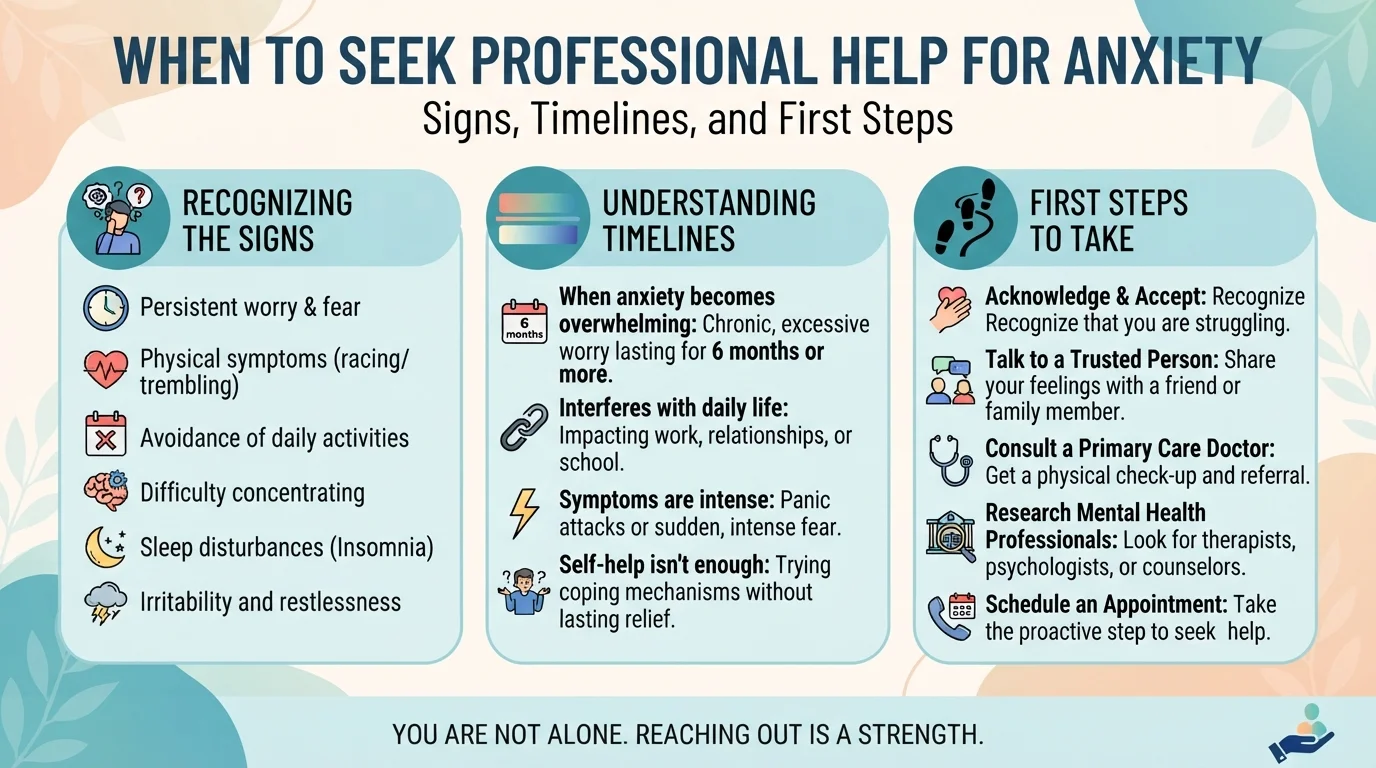
Q: How do I know if my social anxiety is severe enough to warrant professional help? If social anxiety is causing you to avoid situations you want to participate in, affecting your professional opportunities or relationships, producing significant distress, or has been present for six months or more — it warrants professional attention. You do not need to be completely debilitated to benefit from professional support. The earlier social anxiety is addressed, the less it takes from your life before treatment begins.
Q: Where can I get the right professional support for social anxiety? IGOTU Corp connects you with licensed therapists who specialize specifically in social anxiety disorder — providing proper clinical assessment and the structured, evidence-based treatment that produces real improvement. Their matching process ensures you are connected with a clinician whose expertise matches your specific presentation. Visit IGOTU Corp today to take the free assessment and get started with the right support.
The Bottom Line: Social Anxiety Is Treatable — With the Right Steps and the Right Support
Social anxiety has probably been telling you for years that it is just who you are. That some people are naturally social and you are not. That the discomfort you feel in social situations is a permanent feature of your personality that you will spend your life working around.
That is not the truth. That is what untreated social anxiety feels like from the inside.
The truth is that social anxiety disorder is a specific, well-understood neurobiological condition. The fear response is real — it fires in your amygdala, floods your bloodstream with cortisol and adrenaline, and produces symptoms that are genuinely physiological. But the response is also trainable. The amygdala learns. The threat associations that drive social anxiety were formed through experience, and they can be reformed through experience — specifically, through the systematic approach that these five steps describe.
The five steps — understanding the cycle, challenging distorted thinking, facing fear systematically, dropping safety behaviors, and building consistent practice with professional support — target the actual mechanisms that maintain social anxiety. They are drawn from decades of clinical research. They work. Not for everyone equally, not at the same pace, but for most people who apply them consistently with the right support.
The world that social anxiety has been quietly taking from you — the conversations not started, the events not attended, the opportunities not pursued, the relationships not formed — that world is recoverable.
IGOTU Corp’s licensed social anxiety specialists are ready to help you recover it. Visit IGOTU Corp today — take the free assessment, get matched with a therapist who specializes in social anxiety, and begin the treatment that the evidence shows most people with this condition are genuinely capable of completing — and recovering through.
Recent Posts
Related Posts
How to Protect Your Mental Health Without Sacrificing Your Career
It is Sunday evening and your stomach is already tight. You are replying to emails you will see again in...
How to Find a Licensed Male Therapist in California
Plenty of people know the moment they decide they want therapy. Fewer people know what to type into the search...

How to Do the 5-4-3-2-1 Technique Silently in Class
Learn how to manage anxiety discreetly during class using the simple and effective 5-4-3-2-1 grounding technique in this article. Exclusive...
How to Set Boundaries Without Guilt: Stop People Pleasing
You said yes again. You knew while the words were leaving your mouth that you did not want to say...
When to Seek Professional Help for Anxiety: Signs, Timelines, and First Steps
Anxiety (anxious distress) is the body's alarm response to a perceived threat, marked by worry, muscle tension, and a faster...