
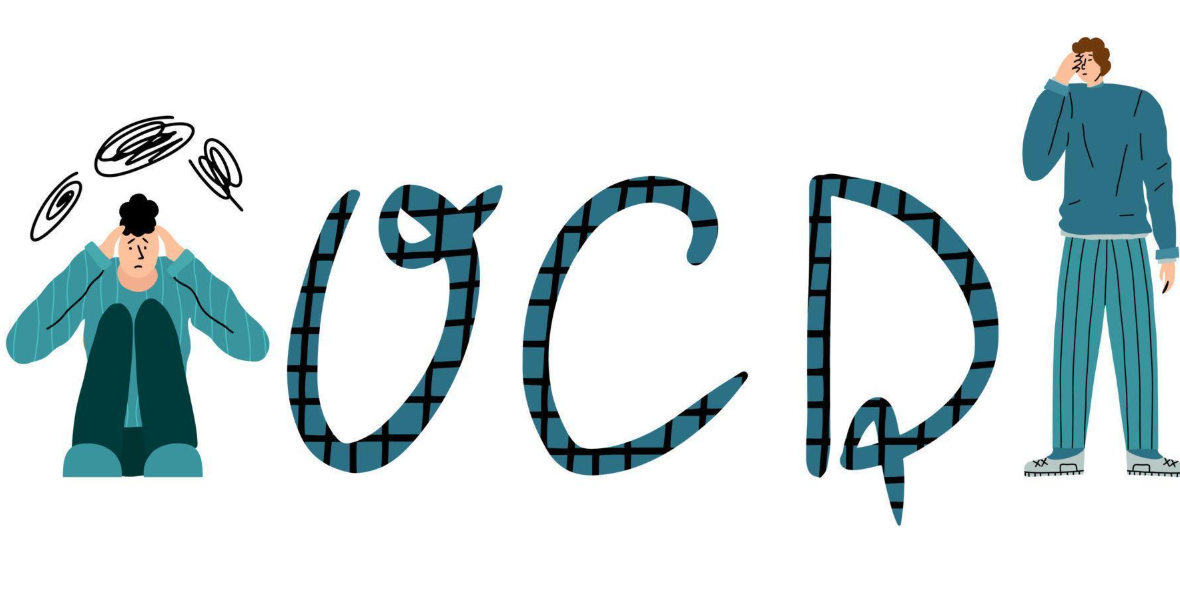
What Is OCD & Its Symptoms? How Anxiety Treatment Centers Can Help
If you’ve ever heard someone say “I’m so OCD about keeping my desk clean,” you’ve witnessed one of the most common — and most misunderstood — phrases in everyday conversation. Obsessive-Compulsive Disorder (OCD) is a very real, clinically diagnosed mental health condition, and it goes far deeper than a preference for tidiness.
What Is OCD? Understanding the Basics
OCD is characterized by two core features: obsessions and compulsions. Obsessions are unwanted, intrusive, and persistent thoughts, urges, or mental images that cause significant anxiety or distress. Compulsions are the repetitive behaviors or mental acts a person feels driven to perform in response to those obsessions — usually to reduce the anxiety or prevent something “bad” from happening.
Here’s the key thing to understand: the compulsions provide only temporary relief. The anxiety comes rushing back, often stronger than before, which keeps the person trapped in an exhausting cycle.
According to the Anxiety & Depression Association of America (ADAA), OCD affects approximately 2.2 million adults in the United States — roughly 1% of the population. And importantly, one-third of those adults report that their symptoms first appeared during childhood. OCD affects people of all ages, backgrounds, and walks of life.
Is OCD the same as an anxiety disorder? Technically, no. While OCD involves intense anxiety, it is now classified in its own category — “Obsessive-Compulsive and Related Disorders” — in the DSM-5. But anxiety treatment centers absolutely treat OCD, and the overlap between OCD and anxiety is significant enough that specialized anxiety programs are among the most effective places to seek help.
What Are the Most Common OCD Symptoms?
OCD can look very different from person to person, which is why it’s often misdiagnosed or overlooked. Symptoms are generally grouped into two categories:
Obsessions (Intrusive Thoughts)
These are not just regular worries. OCD obsessions feel impossible to control and cause real emotional pain. Common obsessions include:
- Contamination fears — an intense, persistent fear of germs, dirt, illness, or contaminating others
- Fear of harm — dreading that you’ll accidentally (or intentionally) hurt yourself or someone you love
- Symmetry and order — a nagging sense that things must be arranged “just right” or something terrible will happen
- Forbidden or taboo thoughts — intrusive sexual, religious, or violent thoughts that are completely contrary to the person’s values
- Doubt and uncertainty — relentless “what if” thinking, like constantly wondering whether you turned off the stove
- Religious or moral obsessions (Scrupulosity) — excessive guilt, fear of sinning, or worrying about being a “bad person”
Compulsions (Repetitive Behaviors)
Compulsions are the behaviors people with OCD perform to relieve the distress caused by obsessions. They can be visible (physical) or entirely mental. Common compulsions include:
- Excessive cleaning or handwashing — washing hands dozens of times a day until the skin is raw
- Checking — repeatedly checking locks, appliances, or asking for reassurance
- Counting, tapping, or repeating — performing specific actions a set number of times to feel “safe”
- Arranging — organizing objects until they feel perfectly symmetrical or “even”
- Mental rituals — silently repeating prayers, phrases, or counting in one’s head
- Seeking reassurance — constantly asking others if everything is “okay”
A defining feature of OCD is that these obsessions and compulsions consume more than one hour per day and cause significant distress or interfere with daily life — work, school, or relationships.
What Does OCD Feel Like From the Inside?
This is something that doesn’t get talked about enough. For someone living with OCD, the experience is far from a quirk or a personality trait. It can feel like your own brain is working against you.
Imagine having a terrifying thought pop into your head completely against your will — and no matter how hard you try to dismiss it, it keeps coming back louder. You know the thought is irrational, but the anxiety it creates feels absolutely real. So you perform a ritual to silence it, even though deep down you know the ritual doesn’t really make sense. It helps for a moment. Then the thought returns.
This cycle — obsession → anxiety → compulsion → temporary relief → obsession again — is the hallmark of OCD, and it can be utterly exhausting.
Many people with OCD spend years feeling ashamed of their thoughts, hiding their symptoms, and suffering in silence. The good news? OCD is one of the most well-understood and treatable mental health conditions today.
What Are the Different Types of OCD?
OCD isn’t one-size-fits-all. Specialists often identify several subtypes, including:
- Contamination OCD – Fear of germs, illness, or “spreading” harm to others
- Harm OCD – Intrusive thoughts about causing harm, even though the person is not violent
- Relationship OCD (ROCD) – Obsessive doubts about romantic partners or relationships
- Pure O (Purely Obsessional OCD) – Predominantly mental obsessions with fewer visible compulsions (though mental rituals are still present)
- Checking OCD – Compulsive need to verify safety repeatedly
- Scrupulosity – Religious or moral obsessions and guilt
- Postpartum OCD – Intrusive, unwanted thoughts related to a new baby’s safety
- Symmetry/Ordering OCD – Compulsive need for things to feel “just right”
Recognizing the specific subtype is important because it helps specialists personalize your treatment plan.
How Is OCD Diagnosed?
There’s no blood test or brain scan that diagnoses OCD. Diagnosis is made by a qualified mental health professional using the criteria in the DSM-5 (Diagnostic and Statistical Manual of Mental Disorders, 5th Edition). The diagnostic process typically involves:
- A clinical interview — discussing your thoughts, behaviors, and how they affect daily life
- Ruling out other conditions — ensuring symptoms aren’t better explained by another disorder, medications, or a medical condition
- Structured questionnaires — tools like the Yale-Brown Obsessive Compulsive Scale (Y-BOCS) are widely used to measure symptom severity and track progress over time
If your symptoms are interfering with your quality of life, it’s worth reaching out to a specialist rather than trying to figure it out alone. IGOTU CORP connects people with experienced mental health professionals who understand the nuances of OCD — making the first step much easier.
How Can Anxiety Treatment Centers Help With OCD?
This is where real change happens. Anxiety treatment centers that specialize in OCD don’t just offer generic therapy — they use evidence-based, structured protocols specifically developed for OCD and related disorders. Here’s what to expect from top-tier OCD care:
1. Exposure and Response Prevention (ERP) — The Gold Standard
ERP is widely recognized as the most effective therapy for OCD. It involves two steps:
- Exposure: Gradually and safely confronting the situations, thoughts, or triggers that cause obsessive anxiety
- Response Prevention: Learning to resist performing compulsive behaviors in response
At first, this sounds terrifying — and many people resist it. But with a skilled therapist guiding the process, ERP teaches your brain that the feared outcome doesn’t actually happen, and that you can tolerate anxiety without needing to perform a ritual. Over time, the anxiety naturally decreases.
2. Cognitive Behavioral Therapy (CBT)
CBT helps patients identify and challenge the distorted thinking patterns that fuel OCD. It works beautifully alongside ERP by addressing the “why” behind obsessive thoughts and building healthier cognitive responses.
3. Acceptance and Commitment Therapy (ACT)
ACT helps people accept uncomfortable thoughts rather than fight against them. Instead of trying to eliminate intrusive thoughts (which rarely works), ACT focuses on building a meaningful life alongside OCD — reducing the power it holds over daily decisions.
4. Medication Management
For many people, medication plays a helpful supporting role. Selective serotonin reuptake inhibitors (SSRIs), such as fluoxetine or sertraline, are the most commonly prescribed medications for OCD. They don’t cure OCD, but they can reduce symptom intensity and make therapy more effective. A psychiatrist at an anxiety treatment center can assess whether medication is right for you.
5. Intensive Outpatient Programs (IOP) and Residential Treatment
For moderate to severe OCD, intensive programs offer a higher level of care. These may include:
- Intensive Outpatient Programs (IOP): Multiple therapy sessions per week (often 9+ hours weekly) while living at home
- Partial Hospitalization Programs (PHP): More structured daytime programming for complex cases
- Residential Treatment: Around-the-clock care in a therapeutic environment, typically for severe or treatment-resistant OCD
Specialized centers report that the vast majority of their patients respond well to intensive ERP-based treatment, experiencing significant symptom reduction and improved quality of life.
Why Choose a Specialist Over a General Therapist?
Not all therapists are trained in ERP. In fact, seeing a well-meaning but non-specialized therapist can sometimes make OCD worse — for example, if they spend sessions discussing and analyzing intrusive thoughts in detail, which can inadvertently reinforce the obsession cycle.
Anxiety treatment center specialists understand the mechanics of OCD from the inside out. They know how to:
- Design personalized ERP hierarchies (gradual exposure plans)
- Distinguish between OCD subtypes and adjust treatment accordingly
- Support families and loved ones in not accidentally enabling compulsions
- Track progress with validated clinical tools like Y-BOCS
The difference between a generalist and a specialist in OCD treatment can be enormous.
Looking for a trusted starting point? IGOTU CORP helps individuals and families navigate the mental health landscape and connect with the right specialists and treatment programs. You don’t have to figure it out alone.
OCD in Children and Teens: What Parents Should Know
OCD frequently begins in childhood or adolescence. Many children are masters at hiding their symptoms, often suffering for years before receiving a diagnosis. Warning signs in young people include:
- Taking unusually long to complete everyday tasks (bathing, getting dressed, homework)
- Asking for repeated reassurance about safety, health, or “bad things” happening
- Erasing and rewriting homework excessively
- Sudden emotional meltdowns when routines are disrupted
- Avoiding certain places, people, or activities for unclear reasons
The earlier OCD is identified and treated, the better the outcomes. Child and adolescent programs at anxiety treatment centers use the same ERP framework as adult programs, adapted with age-appropriate techniques and active family involvement.
OCD and Related Conditions: What Often Co-Occurs
OCD rarely shows up alone. It frequently co-exists with:
- Depression (a common companion to the exhaustion of OCD)
- Generalized Anxiety Disorder (GAD)
- Body Dysmorphic Disorder (BDD)
- Tic disorders or Tourette’s syndrome
- ADHD
- Body-focused repetitive behaviors like trichotillomania (hair pulling) or excoriation (skin picking)
A good treatment center will assess and address these co-occurring conditions as part of a comprehensive care plan, rather than treating each one in isolation.
What to Expect When You First Reach Out for Help
Taking the first step is often the hardest part. Here’s what typically happens when someone contacts an anxiety treatment center:
- Initial screening or consultation — Usually free and confidential; you discuss your symptoms and history
- Clinical assessment — A thorough evaluation by a licensed clinician to confirm diagnosis and determine severity
- Personalized treatment plan — Based on your specific OCD subtype, severity, and life situation
- Regular progress tracking — Using validated tools to measure how you’re improving
- Aftercare planning — Most quality centers don’t just discharge you; they help you build a long-term maintenance strategy
IGOTU CORP makes this process easier by guiding people through the landscape of available care options — whether you’re looking for outpatient therapy, an intensive program, or just a second opinion on a diagnosis.
5 Frequently Asked Questions About OCD
Is OCD curable, or is it a lifelong condition?
OCD is generally considered a chronic condition, but that doesn’t mean it can’t be managed very effectively. With the right treatment — particularly ERP — many people experience dramatic reductions in symptoms and are able to live full, meaningful lives. Some people reach a point where OCD has very little impact on their daily functioning. Think of it like managing a chronic physical condition: it may always be part of your life, but it doesn’t have to run your life. Early intervention significantly improves long-term outcomes.
How do I know if I have OCD or just anxiety?
This is a great question, and the distinction matters for treatment. While both conditions involve significant anxiety, the defining feature of OCD is the obsession-compulsion cycle — intrusive, unwanted thoughts that drive repetitive behaviors (physical or mental) aimed at neutralizing them. General anxiety tends to involve excessive worry about real-life situations (finances, health, relationships) without the specific ritual-based response. The best way to know for sure is to consult with a mental health professional who specializes in OCD. Self-diagnosis is unreliable, and a proper assessment makes all the difference in getting the right treatment.
What is the most effective treatment for OCD?
The gold standard treatment for OCD is Exposure and Response Prevention (ERP), a specialized form of Cognitive Behavioral Therapy (CBT). Research consistently shows that ERP produces significant symptom relief in the majority of patients. For many people, a combination of ERP and SSRI medication produces the best results. Intensive outpatient programs (IOPs) that deliver ERP in a high-dose, structured format are particularly effective for moderate to severe OCD. The key is working with a therapist who is specifically trained in ERP — not all therapists are.
Can OCD get worse without treatment?
Yes, unfortunately it often does. Without professional treatment, OCD symptoms frequently intensify over time. The compulsive behaviors that feel like “relief” actually reinforce the obsession cycle, making it progressively harder to resist rituals. Additionally, OCD can expand — new obsessions and compulsions may develop as the original ones are avoided. The avoidance patterns that people develop around OCD triggers can severely shrink their world over time, affecting relationships, work, education, and overall quality of life. The World Health Organization (WHO) has ranked OCD among the top 10 most disabling illnesses due to its impact on financial loss and quality of life — which underscores why early, specialized treatment matters so much.
How do I find a good OCD specialist or anxiety treatment center?
Finding the right specialist is crucial. Here are a few practical steps:
- Look for therapists trained specifically in ERP — not all CBT therapists have OCD-specific training
- Check credentials and professional affiliations — the International OCD Foundation (IOCDF) maintains a directory of qualified providers
- Ask about their approach — a good OCD specialist will be upfront about using ERP and won’t spend most sessions simply discussing your intrusive thoughts
- Consider intensity of care — depending on severity, an IOP, PHP, or residential program may be more appropriate than once-weekly therapy
- Seek guidance — organizations like IGOTU CORP help individuals navigate the mental health system, identify the right level of care, and connect with qualified specialists who understand OCD from every angle
The most important thing is to not wait. OCD responds well to treatment, and the sooner you seek help, the sooner you can start reclaiming your life.
Final Thoughts: There Is Hope — and Help Is Available
Living with OCD is genuinely hard. The intrusive thoughts, the relentless anxiety, the exhausting rituals — it can make everyday life feel like an uphill battle. But here’s what we know for certain: OCD is treatable, and people get better every single day.
With the right specialist, the right therapy, and the right support system, it is absolutely possible to quiet the noise of OCD and build a life that feels free, meaningful, and yours.
You deserve to feel well. You deserve to stop white-knuckling through each day. And you don’t have to do it alone.
IGOTU CORP is here to help you take that first step — connecting you with the right resources, the right specialists, and a community that truly understands. Reach out today, and let’s start the journey forward together.
This article is for informational purposes only and does not constitute medical advice. If you or someone you love is struggling with OCD or anxiety, please consult a qualified mental health professional at IGOTU CORP.
Recent Posts
Related Posts
How to Set Boundaries Without Guilt: Stop People Pleasing
You said yes again. You knew while the words were leaving your mouth that you did not want to say...
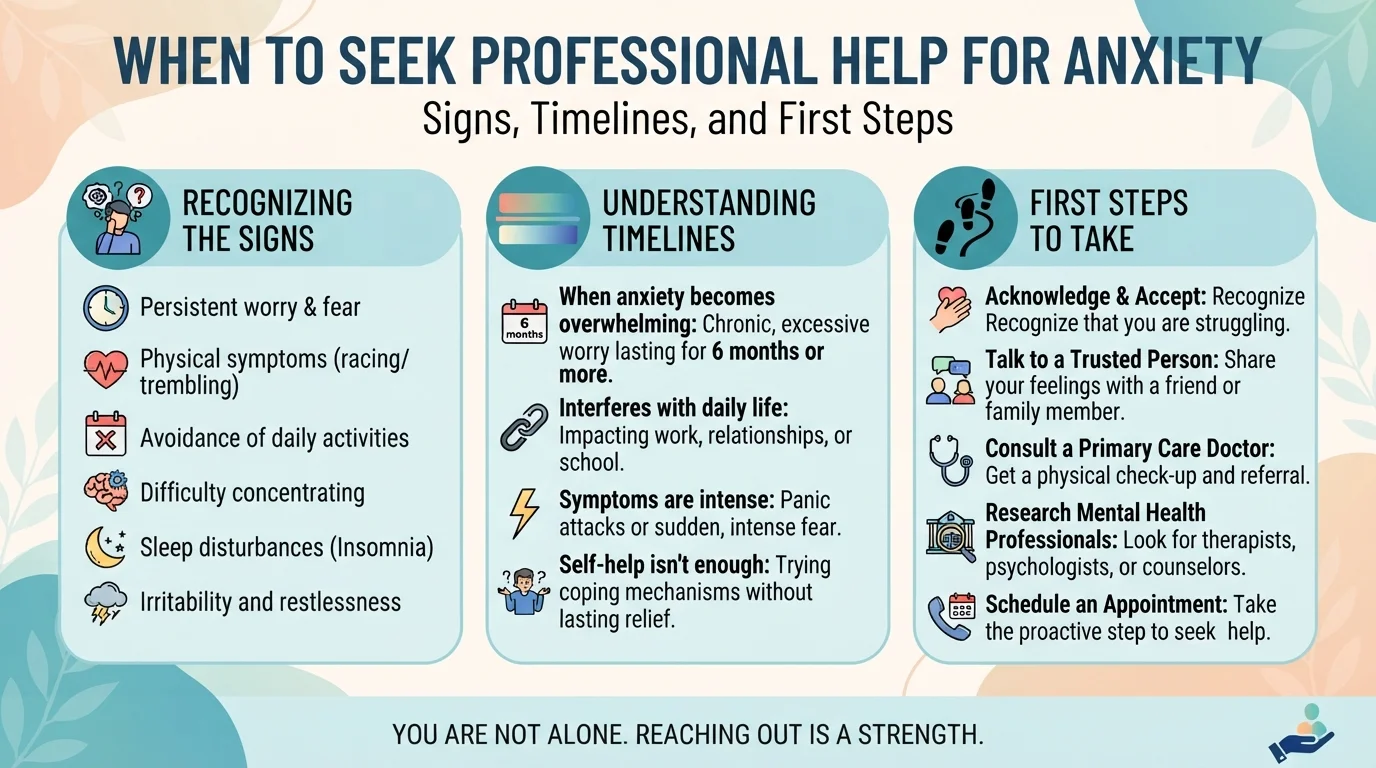
When to Seek Professional Help for Anxiety: Signs, Timelines, and First Steps
Anxiety (anxious distress) is the body's alarm response to a perceived threat, marked by worry, muscle tension, and a faster...
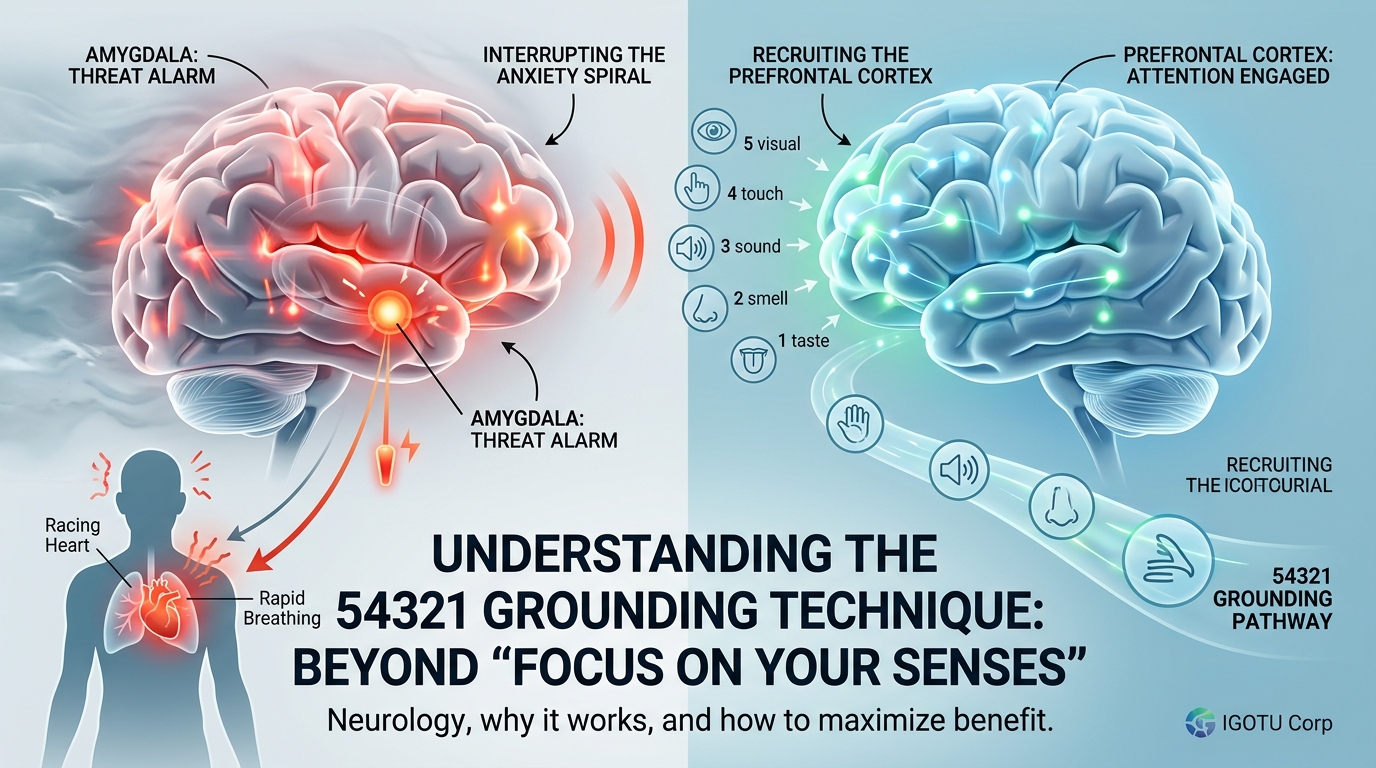
What Is the 54321 Grounding Technique? How Does It Actually Work?
If you have ever looked up what to do during a panic attack, an anxiety spiral, or a moment of...
Can Stress Alone Cause Panic Disorder? IGOTU Corp Guide
The Question That Arrives After the First Attack You were not doing anything dramatic. You were not in danger. You...
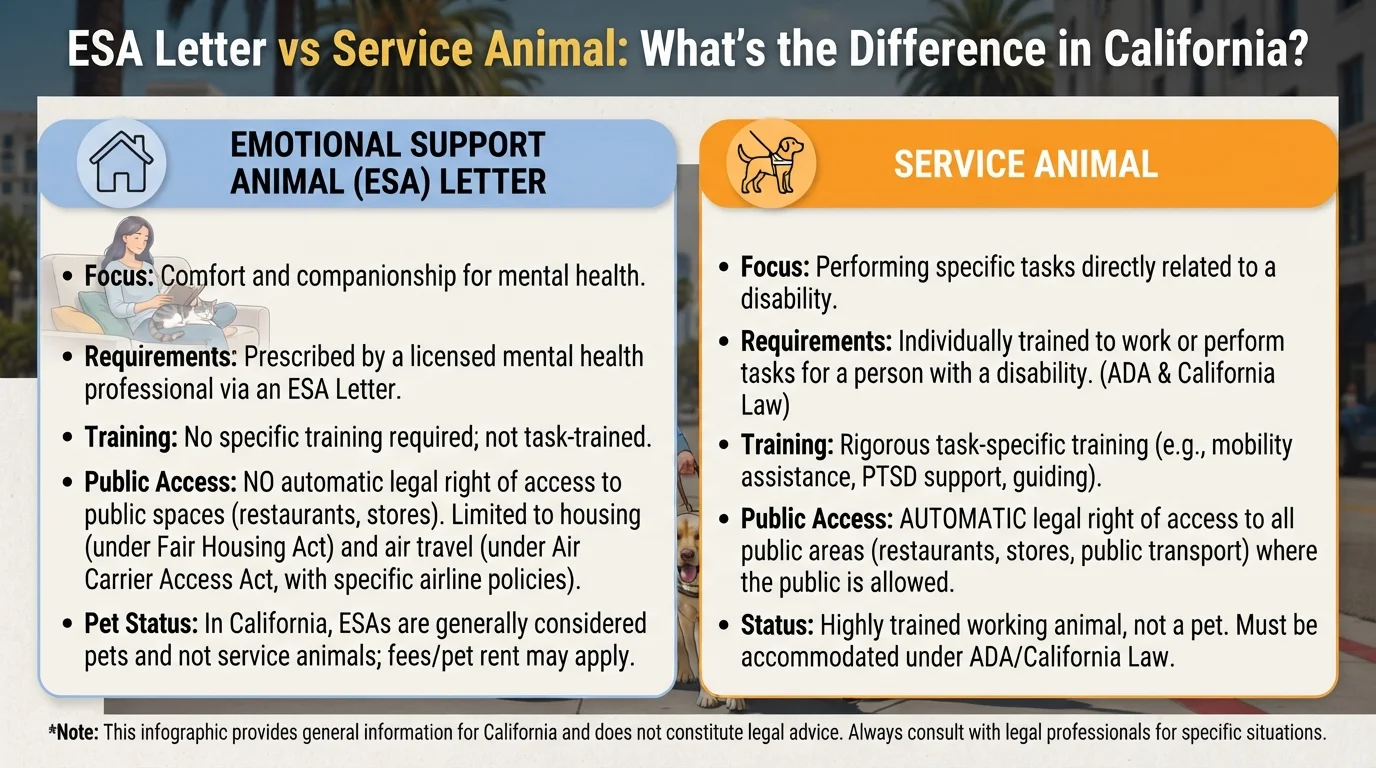
ESA Letter vs Service Animal: What’s the Difference in California?
An ESA letter and a service animal are not the same thing under California or federal law, and confusing the...