
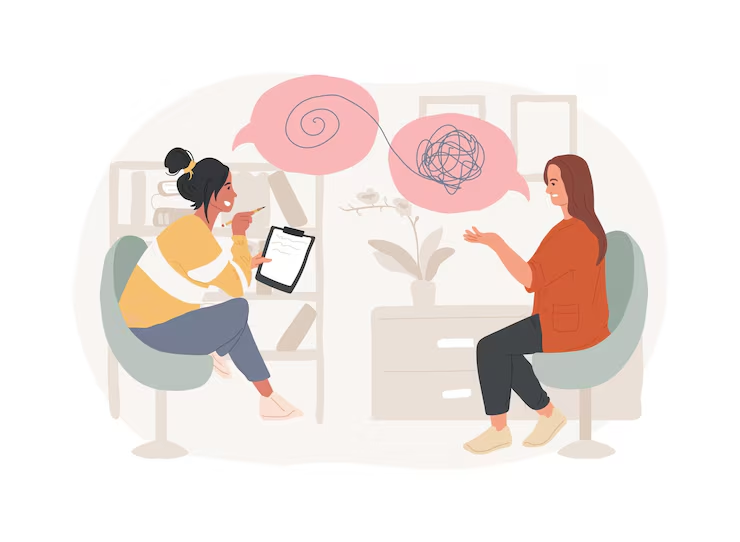
Unlock a Calmer Mind: Proven Behavioral Therapy Techniques That Actually Work
Your Complete Guide to Behavioral Health Therapy for Kids, Adults, Autism & More
Understanding Behavioral Therapy Techniques: A Path Toward Lasting Change
Mental health challenges affect millions of people every single day — and yet so many individuals still feel lost when it comes to finding the right support. If you have ever searched for behavioral therapy near me or wondered whether behavioral therapy techniques could genuinely help you or a loved one, you are in the right place. At IGotU Corp, we specialize in compassionate, evidence-based behavioral health services designed to help clients of every age reclaim control over their thoughts, emotions, and daily lives.
Whether you are seeking behavioral therapy for adults dealing with anxiety, behavioral therapy for kids struggling in school, or specialized behavioral therapy for autism, this guide walks you through exactly what to expect, why these approaches work, and how professional support can transform everyday life.
What Is Behavioral Health Therapy?
Behavioral health therapy is a category of mental health treatment that focuses on identifying and changing unhealthy, self-destructive, or disruptive behavior patterns. Unlike approaches that dwell primarily on the past, behavioral therapy zeroes in on what is happening right now — the thoughts, feelings, and actions that keep people stuck — and equips individuals with practical tools to respond differently.
The science behind behavioral therapy psychology is robust. Decades of research confirm that our behaviors are largely learned, and what is learned can be unlearned and replaced with healthier responses. This empowering premise is what makes behavioral health services so effective across such a wide range of conditions, from depression and anxiety to ADHD, phobias, and autism spectrum disorder.
| Key Insight
The American Psychological Association recognizes cognitive-behavioral therapy (CBT) as one of the most extensively studied and effective treatments available for a broad spectrum of mental health conditions. |
Core Behavioral Therapy Techniques Used by Professionals
The term “behavioral therapy techniques” encompasses a wide variety of structured, goal-oriented interventions. Here are the most widely used approaches our clinicians draw from:
1. Cognitive-Behavioral Therapy (CBT)
CBT is the gold standard of behavioral therapy techniques. It works by helping individuals identify negative thought patterns — called cognitive distortions — and replace them with more balanced, realistic thinking. CBT is equally effective in behavioral therapy for adults and behavioral therapy for kids, and it is frequently the first-line treatment recommended for anxiety disorders, depression, and OCD.
2. Applied Behavior Analysis (ABA)
ABA is arguably the most evidence-backed form of behavioral therapy for autism. It uses systematic reinforcement strategies to encourage positive behaviors and reduce harmful or restrictive ones. ABA therapy is highly individualized, data-driven, and can be delivered both in clinical settings and as behavioral therapy at home. Families often report significant improvements in communication, social skills, and daily living activities.
3. Dialectical Behavior Therapy (DBT)
Originally developed for borderline personality disorder, DBT has since expanded its reach to address self-harm, emotional dysregulation, and chronic stress. It uniquely blends acceptance strategies with change-focused behavioral therapy techniques, teaching skills in four key areas: mindfulness, distress tolerance, emotional regulation, and interpersonal effectiveness.
4. Exposure and Response Prevention (ERP)
ERP is a specialized behavioral therapy technique primarily used for OCD and phobias. Clients are gradually and safely exposed to feared situations or thoughts while learning to resist the compulsive responses that typically follow. Over time, the anxiety associated with the trigger naturally decreases — a process called habituation.
5. Behavior Activation Therapy
This technique is particularly powerful in behavioral therapy for adults experiencing depression. It works on a simple but profound premise: when people engage in meaningful, rewarding activities, their mood improves. Therapists help clients identify pleasurable activities they have been avoiding and create structured plans to reintroduce them into daily life.
6. Parent-Child Interaction Therapy (PCIT)
PCIT is a transformative form of behavioral therapy for kids that coaches parents in real time on how to respond to their child’s behavior. Especially effective for children aged 2-7 with conduct disorders or developmental delays, PCIT strengthens the parent-child bond while reducing disruptive behaviors — making it an excellent complement to behavioral therapy at home strategies.
Behavioral Therapy for Kids: Helping Children Thrive
Children experience the world intensely. When emotional regulation or behavioral challenges interfere with learning, friendships, or family life, early intervention through behavioral therapy for kids can make a profound difference. Our clinicians at I Got U Corp are trained to engage children in developmentally appropriate ways that feel safe, even fun, while building the coping skills they will carry for life.
Common conditions treated through behavioral therapy for kids include attention-deficit/hyperactivity disorder (ADHD), anxiety disorders, oppositional defiant disorder (ODD), autism spectrum disorder, and learning difficulties. Many families also benefit from guidance on behavioral therapy at home, empowering parents to reinforce the skills their child learns in sessions.
| Did You Know?
The earlier a child receives behavioral health services for developmental or emotional challenges, the better their long-term outcomes. Research consistently shows that children who receive intervention before age 8 demonstrate significantly greater skill acquisition and social development. |
Behavioral Therapy in School Settings
School is where children spend the majority of their waking hours, which is why behavioral therapy school programs and school-based mental health support are invaluable. A child who struggles with impulse control, anxiety, or social skills in a classroom setting is not just falling behind academically — they are missing critical windows for social development.
Behavioral therapy school integration typically involves collaboration between therapists, teachers, and school counselors. Individualized Education Programs (IEPs) often incorporate behavioral therapy techniques such as token economies, social stories, and structured reinforcement systems to help students regulate their behavior in real time. I Got U Corp works closely with school teams to ensure that therapeutic goals extend seamlessly into the classroom environment.
Behavioral Therapy for Adults: It Is Never Too Late
Many adults mistakenly believe they have simply “always been this way” and that change is out of reach. Behavioral therapy for adults directly challenges that myth. Whether you are managing anxiety that has followed you for decades, navigating a major life transition, processing trauma, or seeking help for addiction recovery, behavioral therapy techniques offer structured, measurable pathways toward meaningful change.
Our behavioral therapy for adults services at I Got U Corp address a wide spectrum of challenges, including:
- Generalized anxiety disorder and panic attacks
- Major depressive disorder and persistent low mood
- Post-traumatic stress disorder (PTSD)
- Substance use and co-occurring disorders
- Anger management and impulse control
- Work-related stress and burnout
- Relationship difficulties and communication challenges
Adults often respond exceptionally well to behavioral therapy techniques because they bring self-awareness and motivation to the therapeutic process. With the right clinician, the results can be life-changing.
Behavioral Therapy for Autism: Personalized Support That Makes a Difference
Autism spectrum disorder (ASD) presents differently in every individual, which is why effective behavioral therapy for autism must be highly individualized. At I Got U Corp, our clinicians use a combination of ABA, social skills training, and functional communication training to help individuals with ASD achieve greater independence and quality of life.
Behavioral therapy for autism covers key developmental areas including verbal and nonverbal communication, adaptive daily living skills, emotional regulation, reduction of repetitive or self-injurious behaviors, and social interaction and play skills. We also support families through parent training programs and behavioral therapy at home plans, ensuring that the strategies your child learns in therapy are consistently reinforced across all environments.
Behavioral Therapy at Home: Bringing the Healing Into Your Everyday Life
Behavioral therapy does not stop when the session ends. In fact, behavioral therapy at home strategies are often what make the biggest difference in long-term success. Our therapists equip both clients and their support networks with practical tools to practice behavioral therapy techniques in real-world settings.
Some of the most impactful behavioral therapy at home strategies include:
- Establishing consistent daily routines that reduce anxiety and improve predictability
- Using positive reinforcement systems like praise charts and reward schedules
- Practicing mindfulness and breathing exercises between sessions
- Journaling thoughts and behaviors to identify patterns
- Applying problem-solving frameworks to real-life challenges as they arise
When families and caregivers actively participate in the therapeutic process, the transfer of skills from clinic to daily life becomes far more effective — and lasting.
Behavioral Health Therapy in California: Access Compassionate Care Near You
If you are searching for behavioral health therapy CA residents can trust, look no further. I Got U Corp is proudly based in Rancho Cucamonga, California, and serves clients across the greater Southern California region. Our team understands the unique cultural, social, and environmental factors that influence mental health in our communities, and we are committed to delivering accessible, culturally sensitive behavioral health services to every individual who walks through our doors.
Finding behavioral therapy near me should not be stressful or complicated. Our intake process is straightforward, our team is welcoming, and we accept a wide range of insurance plans to ensure that cost is never a barrier to getting the help you deserve.
Why Families and Individuals Choose I Got U Corp for Behavioral Health Services
When you choose I Got U Corp for your behavioral health services, you are partnering with a team that genuinely cares about outcomes — not just appointments. Here is what sets us apart:
- Evidence-based behavioral therapy techniques tailored to each individual
- Specialists in behavioral therapy for kids, adults, and autism spectrum disorder
- School collaboration support through behavioral therapy school programs
- Comprehensive behavioral therapy at home guidance for families
- Culturally competent behavioral health therapy CA services
- Multilingual staff to serve diverse community needs
- Flexible scheduling, including telehealth options
Every member of our clinical team is passionate about what they do. We do not offer one-size-fits-all solutions. Instead, we invest the time to truly understand each client’s story, strengths, and goals — and we build a therapeutic plan designed around them.
Frequently Asked Questions About Behavioral Therapy Techniques
Q1: What is the difference between behavioral therapy and talk therapy?
Traditional talk therapy often focuses on exploring the root causes of emotional pain, frequently drawing from the past. Behavioral therapy techniques, in contrast, are more present-focused and action-oriented. They prioritize identifying and changing the specific thoughts and behaviors that are causing problems right now, using structured exercises and homework assignments to produce measurable change. Both approaches have their place, and many therapists integrate elements of each.
Q2: How do I know if my child needs behavioral therapy?
Common signs that a child may benefit from behavioral therapy for kids include frequent intense tantrums beyond what is typical for their age, persistent difficulty focusing or sitting still, school refusal or excessive anxiety about social situations, aggression toward peers or family members, and significant delays in communication or social development. A professional evaluation is the best first step, and our team at I Got U Corp can help you determine whether behavioral health services are appropriate.
Q3: Is behavioral therapy for autism effective for all children on the spectrum?
While no single approach works identically for every individual, behavioral therapy for autism — particularly ABA therapy — has the strongest evidence base of any intervention for autism spectrum disorder. Success depends on factors such as the age of the child, the intensity of services, and how consistently strategies are applied across home, school, and community settings. Our clinicians work hard to individualize every treatment plan.
Q4: Can adults genuinely benefit from behavioral therapy techniques?
Absolutely. Behavioral therapy for adults is highly effective and widely supported by research. The brain retains neuroplasticity throughout life, meaning the capacity to learn new patterns never disappears. Adults often have the additional advantage of self-awareness and clear motivation to change, which can accelerate progress considerably. Many adults in our care report significant improvements in anxiety, mood, relationships, and overall quality of life within just a few months of consistent behavioral therapy.
Q5: What does behavioral therapy at home look like in practice?
Behavioral therapy at home typically involves applying the skills practiced in clinical sessions to real-life situations. This might mean using a behavior chart to reinforce a child’s positive actions, practicing deep breathing during a stressful moment, or following a therapist-recommended communication script during a difficult conversation. Our therapists provide families with customized home plans and check in regularly to adjust strategies based on what is and is not working.
Q6: How long does a typical course of behavioral therapy take?
The duration of behavioral therapy varies based on the individual’s needs, the nature and severity of the challenges, and the goals of treatment. Some clients achieve their primary objectives in as few as 12 to 20 sessions. Others with more complex or long-standing challenges benefit from longer-term support. Our clinicians set clear, measurable goals from the very beginning and conduct regular progress reviews to ensure the treatment plan is always moving forward.
Q7: How do I find behavioral therapy near me in California?
If you are looking for behavioral health therapy CA services that are accessible, compassionate, and evidence-based, I Got U Corp is here to help. Simply reach out to our team by phone, email, or through our website, and we will guide you through the intake process, answer your insurance questions, and match you with the clinician best suited to your needs.
You Do Not Have to Navigate This Alone
Seeking support is one of the most courageous decisions a person can make. Whether you are a parent trying to help your child succeed, an adult ready to break free from patterns that have held you back, or someone searching for specialized behavioral therapy for autism, I Got U Corp is here to walk alongside you every step of the way.
Our evidence-based behavioral therapy techniques, compassionate clinicians, and commitment to individualized care make us one of the most trusted providers of behavioral health services in Southern California. From our behavioral therapy school collaborations to our behavioral therapy at home support programs, we are present wherever you need us most.
The life you deserve — calmer, clearer, and more connected — is within reach. Let our behavioral therapy techniques help you get there.
| Take the First Step Today
Ready to discover how proven behavioral therapy techniques can transform your life or the life of someone you love? Our caring team at I Got U Corp is just one call away. Reach out today for a confidential consultation — no judgment, no pressure, just support. Address: 9431 Haven Ave Suite 100-151, Rancho Cucamonga, CA 91730, United States Phone: +1 909-325-7949 Email: Noworries@igotucorp.com Serving clients across Rancho Cucamonga, San Bernardino County, and all of Southern California. |
© I Got U Corp | Behavioral Health Services | Rancho Cucamonga, CA
Recent Posts
Related Posts
How to Set Boundaries Without Guilt: Stop People Pleasing
You said yes again. You knew while the words were leaving your mouth that you did not want to say...
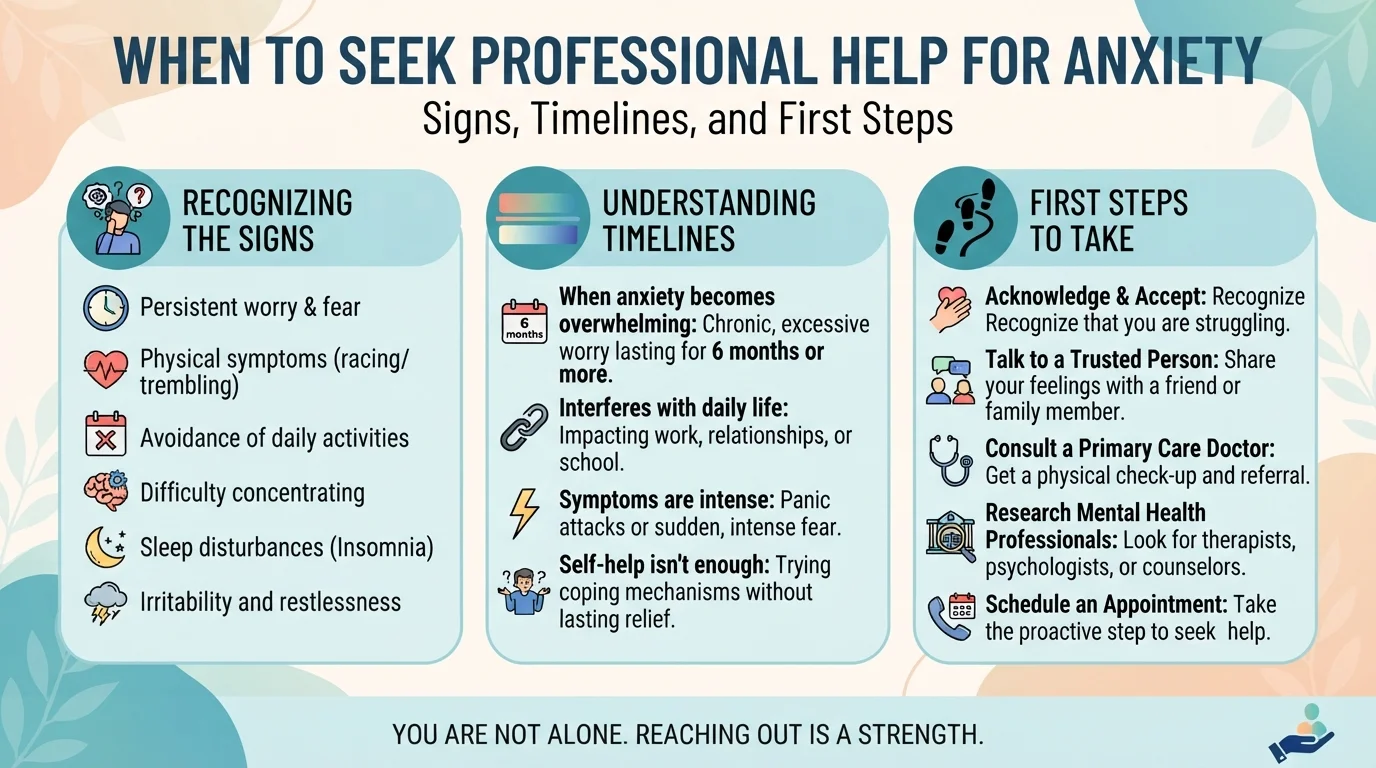
When to Seek Professional Help for Anxiety: Signs, Timelines, and First Steps
Anxiety (anxious distress) is the body's alarm response to a perceived threat, marked by worry, muscle tension, and a faster...
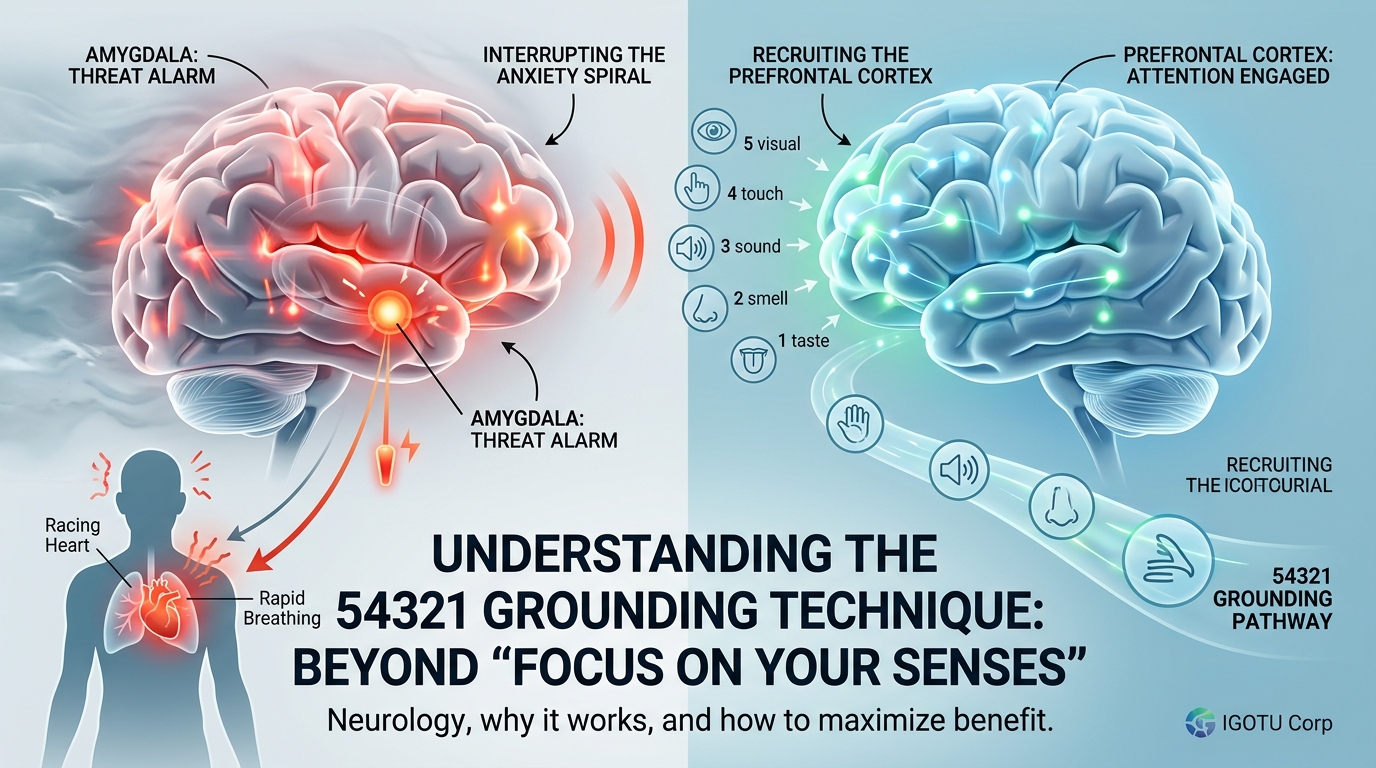
What Is the 54321 Grounding Technique? How Does It Actually Work?
If you have ever looked up what to do during a panic attack, an anxiety spiral, or a moment of...
Can Stress Alone Cause Panic Disorder? IGOTU Corp Guide
The Question That Arrives After the First Attack You were not doing anything dramatic. You were not in danger. You...
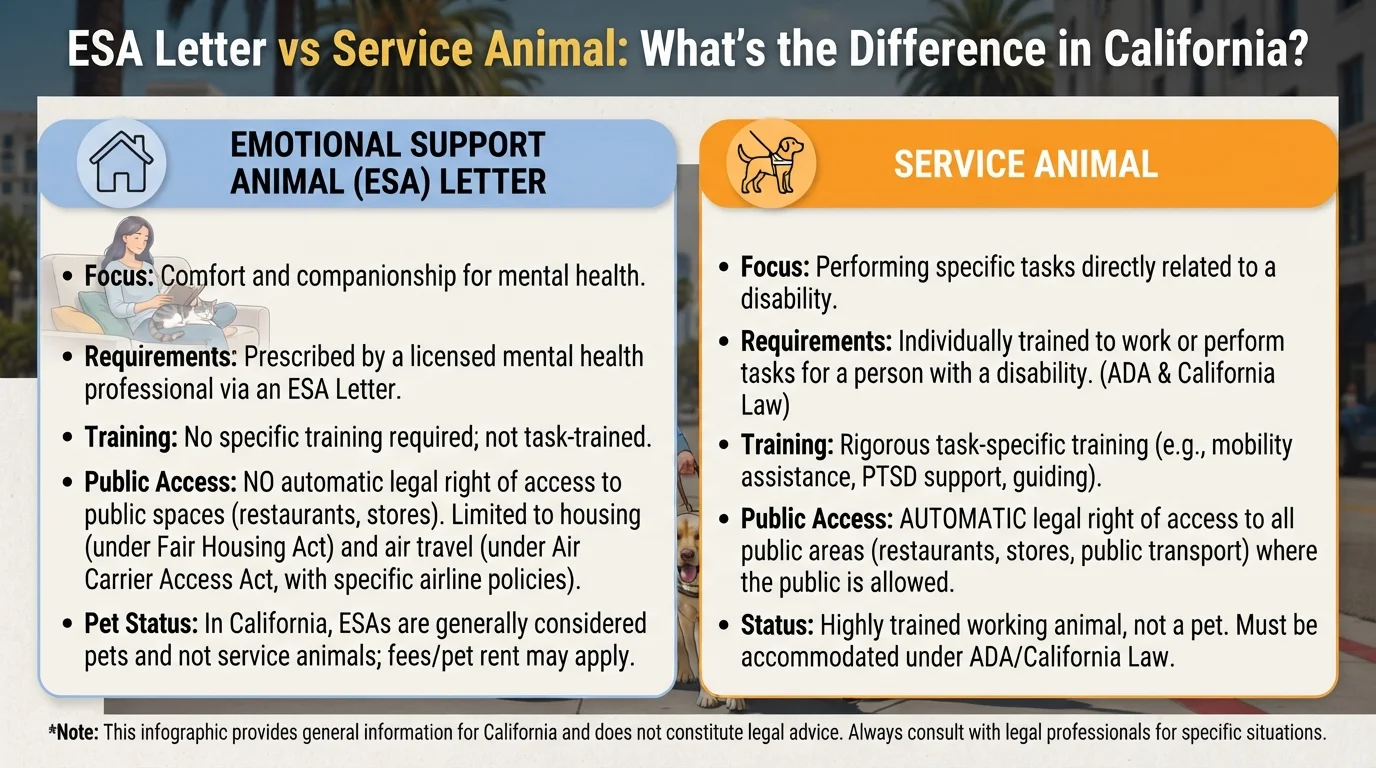
ESA Letter vs Service Animal: What’s the Difference in California?
An ESA letter and a service animal are not the same thing under California or federal law, and confusing the...