
What Is CBT-I and How Does It Fix Sleep Anxiety? A Complete Guide
What Is CBT-I? (Cognitive Behavioral Therapy for Insomnia Explained)
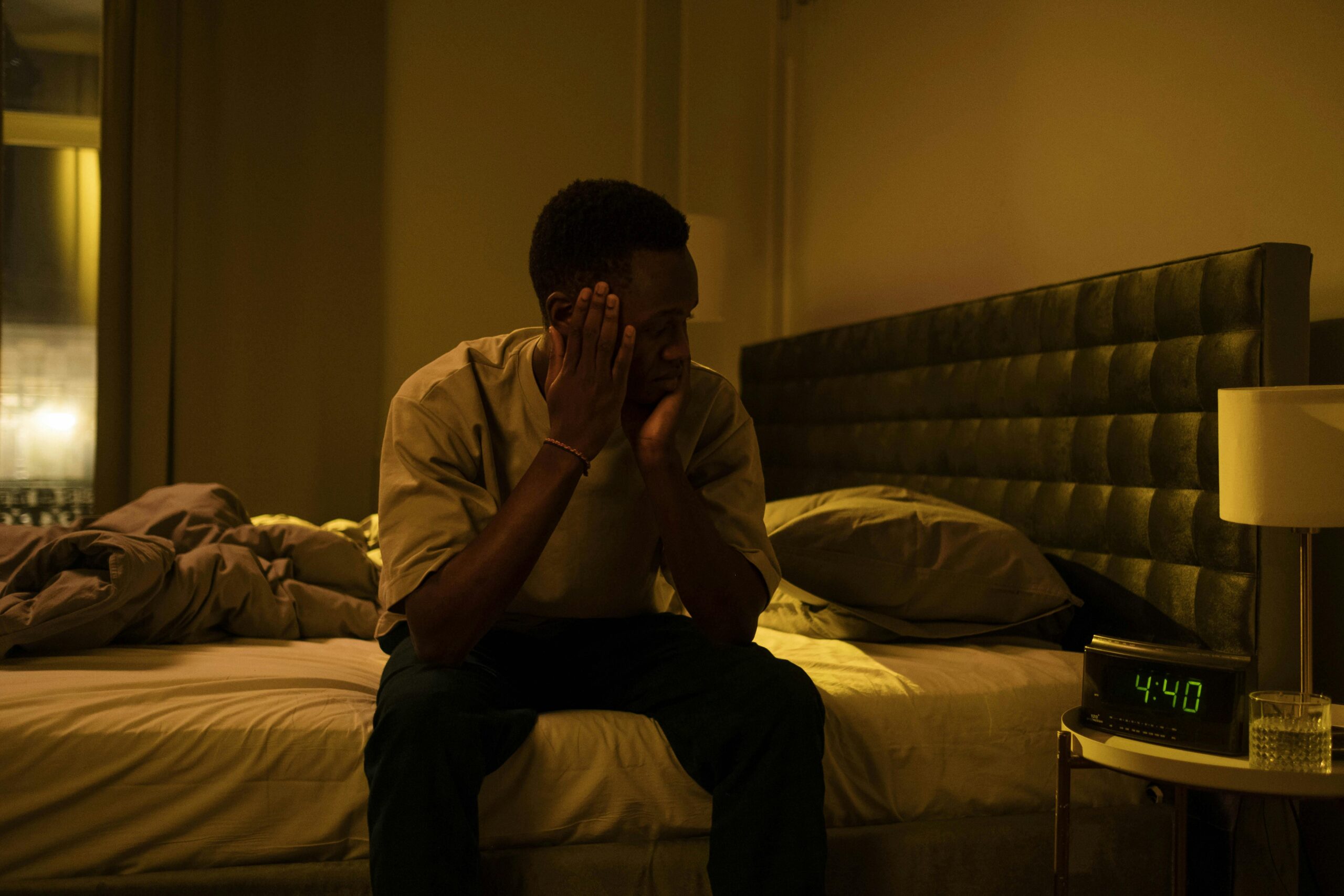
If you’ve ever lain awake at 2 a.m., heart racing, mentally rehearsing every bad thing that could happen if you don’t fall asleep right now — you already understand sleep anxiety firsthand. And if someone has told you to “just relax,” you know how useless that advice feels.
CBT-I, which stands for Cognitive Behavioral Therapy for Insomnia, is different. It’s a structured, evidence-based program that targets the exact thoughts and behaviors keeping you awake. It doesn’t just mask the symptoms — it dismantles the root cause.
The American College of Physicians, the American Academy of Sleep Medicine, and the NHS all recommend CBT-I as the first-line treatment for chronic insomnia, ahead of sleeping pills. That’s a big deal.
What’s the Difference Between CBT-I and Regular CBT?
Regular CBT (Cognitive Behavioral Therapy) is a broad psychological treatment used for depression, anxiety, phobias, and more. CBT-I is a specialized version adapted specifically for sleep problems. It uses the same core framework — identifying and changing unhelpful thought patterns and behaviors — but every single technique is tailored to how insomnia and sleep anxiety work.
Think of it this way: CBT is the general medical school, and CBT-I is the sleep residency.
What Causes Sleep Anxiety in the First Place?
To understand why CBT-I works, you need to understand what’s actually going wrong in your brain.
Sleep anxiety typically follows a predictable loop:
- A trigger — stress, illness, a few bad nights — disrupts your sleep.
- You start worrying about not sleeping, which activates your nervous system.
- Your body goes into hyperarousal — the opposite of what sleep requires.
- You develop compensatory behaviors — going to bed early, napping, staying in bed longer — which paradoxically make things worse.
- Your brain associates the bed with danger instead of rest.
This cycle is called the 3P Model: Predisposing factors (your biology), Precipitating events (the trigger), and Perpetuating behaviors (the habits that keep insomnia alive). CBT-I targets that third P directly.
How Does CBT-I Fix Sleep Anxiety? The Core Components
CBT-I isn’t a single technique — it’s a multi-component program, usually delivered over 6–8 weeks. Here’s what’s inside:
1. Sleep Restriction Therapy — The Most Powerful (and Uncomfortable) Tool
This is the part people resist the most, and also the part that works best.
Sleep restriction temporarily limits the time you spend in bed to match how much you’re actually sleeping — not how long you want to sleep. If you’re in bed for 8 hours but only sleeping 5, your sleep window is set to around 5–5.5 hours. You go to bed late, wake up at a fixed time, and no napping.
Why does this feel cruel but work brilliantly? Because it builds sleep pressure. Your brain starts craving sleep so strongly that it stops fighting it. Over 1–2 weeks, sleep quality and depth improve dramatically, and the window is gradually extended.
2. Stimulus Control — Reclaiming Your Bed as a Sleep Sanctuary
If your brain has learned that your bed = anxiety, scrolling, lying awake worrying — it needs to unlearn that.
Stimulus control involves a simple but strict set of rules:
- Only use your bed for sleep (and sex).
- If you can’t sleep within 20 minutes, get up and do something calm until you’re sleepy.
- Wake up at the same time every single day — including weekends.
- No watching TV, working, or doom-scrolling in bed.
This sounds basic, but it’s neurologically powerful. You’re literally reconditioning your brain’s association with the bed from “threat zone” to “sleep zone.”
3. Cognitive Restructuring — Challenging the Lies Insomnia Tells You
Sleep anxiety is fueled by catastrophic thinking. CBT-I teaches you to identify and challenge these thoughts directly.
Common sleep anxiety thoughts include:
- “If I don’t sleep 8 hours, tomorrow will be ruined.”
- “I haven’t slept properly in weeks — something is seriously wrong with me.”
- “I’ll never be able to sleep without medication.”
CBT-I doesn’t ask you to think positive. Instead, it teaches you to think accurately. Research consistently shows that insomnia sufferers significantly overestimate how badly they slept and underestimate their ability to function. Cognitive restructuring helps you fact-check your own fear.
4. Sleep Hygiene Education — The Foundation (Not the Fix)
You’ve probably heard the basics: no caffeine after 2 p.m., keep the room cool and dark, avoid screens before bed. Sleep hygiene is real and helpful, but it’s rarely sufficient on its own for people with sleep anxiety. CBT-I includes it as a foundation, not a cure.
5. Relaxation Techniques — Turning Down the Physiological Alarm
CBT-I often incorporates specific relaxation methods to reduce physical hyperarousal:
- Progressive Muscle Relaxation (PMR) — systematically tensing and releasing muscle groups
- Diaphragmatic breathing — activating the parasympathetic nervous system
- Mindfulness-based techniques — observing thoughts without engaging them
These aren’t fluffy additions. They directly counter the physiological stress response that keeps the anxious brain wired at night.
6. Paradoxical Intention — The Counterintuitive Trick
For some people, trying to sleep causes the anxiety. Paradoxical intention flips this: you’re instructed to try to stay awake while lying in bed with your eyes open. The goal is to remove the performance pressure around falling asleep. Ironically, it often works quickly.
Ready to Take the First Step Toward Better Sleep? IGOTU Corp Can Help.
You don’t have to navigate sleep anxiety alone. IGOTU Corp connects you with evidence-based CBT-I resources, certified sleep coaches, and personalized wellness programs designed to help you reclaim your nights — without relying on medication. If everything you’ve just read resonates with you, visit IGOTU Corp today and take their free sleep assessment to find out which program fits your needs.
How Long Does CBT-I Take to Work?
CBT-I is typically delivered over 6 to 8 weekly sessions, either with a trained therapist or through a digital program. Most people notice meaningful improvements within 2 to 4 weeks, though the early phase (especially sleep restriction) can feel harder before it gets better.
The results are durable. Unlike sleeping pills, which lose effectiveness and create dependency, CBT-I produces improvements that last for years after treatment ends. Multiple studies show that 70–80% of people with chronic insomnia see significant, lasting improvement.
Who Is CBT-I For?
CBT-I is effective for:
- Chronic insomnia (difficulty falling or staying asleep for 3+ months)
- Sleep anxiety and psychophysiological insomnia (anxiety specifically about sleep)
- People who want to stop or reduce sleeping medications
- Insomnia with comorbid depression or anxiety
- Adults of all ages, including older adults
It is not a first-line treatment for insomnia caused by untreated sleep apnea, restless leg syndrome, or certain medical conditions — those need to be addressed first.
Not sure where to start? IGOTU Corp’s sleep specialists have helped thousands of people identify the right CBT-I pathway for their specific situation. Whether you’re dealing with mild sleep anxiety or years of chronic insomnia, their team meets you where you are. Explore IGOTU Corp’s sleep programs here.
CBT-I vs. Sleeping Pills: Which Is Better?
This is one of the most common questions people ask, and the research answer is clear.
In the short term, sleeping pills (like benzodiazepines or Z-drugs like zolpidem) can help you fall asleep faster. But they don’t fix the underlying problem. Over time, they can cause dependency, rebound insomnia, cognitive side effects, and tolerance.
CBT-I, by contrast:
- Addresses root causes rather than symptoms
- Produces improvements that outlast treatment
- Has no side effects or dependency risk
- Is recommended over medication by major medical bodies worldwide
A landmark meta-analysis published in the Journal of the American Medical Association found that CBT-I outperformed medication in long-term outcomes. Many sleep specialists now use CBT-I to help patients safely taper off sleeping pills.
Digital CBT-I: Can Apps and Online Programs Actually Work?
The good news: you don’t necessarily need an in-person therapist. Digital CBT-I (dCBT-I) programs have been rigorously studied and found to be highly effective.
Validated programs include Sleepio, Somryst (FDA-cleared), and various app-based tools. A 2023 meta-analysis found that digital CBT-I produced clinically significant improvements in sleep onset latency, wake time after sleep onset, and insomnia severity comparable to therapist-delivered CBT-I.
This matters because access to trained CBT-I therapists remains limited in many regions. Digital programs make the treatment reachable for millions more people.
What to Expect Week by Week in CBT-I
Here’s a realistic look at what a typical CBT-I program feels like:
Week 1–2: Sleep diary baseline, introduction to sleep restriction. This is usually the hardest phase — you may feel more tired than usual as sleep pressure builds. Stick with it.
Week 2–3: Stimulus control kicks in, cognitive restructuring begins. You start identifying your specific sleep-sabotaging thoughts.
Week 3–4: Sleep efficiency starts improving noticeably. Sleep window is gradually extended as your sleep becomes more consolidated.
Week 4–6: Anxiety around sleep begins to loosen. Your bed stops feeling like a battleground. Most people report feeling significantly better in this phase.
Week 6–8: Maintenance strategies and relapse prevention. You learn how to handle future bad nights without spiraling back into the anxiety cycle.
Is CBT-I Hard? What Are the Challenges?
Honestly? The beginning is tough. Sleep restriction in particular feels counterintuitive — restricting sleep when you desperately want more feels wrong. You may feel groggier initially. Stimulus control requires real discipline (yes, that means no phone in bed).
But the discomfort is temporary, and it’s purposeful. CBT-I is not a passive treatment. It requires active participation, and that’s precisely why its results last.
The biggest predictor of success is consistency, especially in the first 2–3 weeks.
Frequently Asked Questions (FAQs) About CBT-I
Q: Is CBT-I scientifically proven? Yes. CBT-I is backed by decades of robust clinical research and is endorsed by the American College of Physicians, NHS, and American Academy of Sleep Medicine as the first-line treatment for chronic insomnia.
Q: Can CBT-I help with anxiety-related insomnia specifically? Absolutely. Psychophysiological insomnia — where anxiety about sleep is the main driver — is one of CBT-I’s strongest use cases. Cognitive restructuring directly targets the catastrophic thinking that fuels sleep anxiety.
Q: How is CBT-I different from sleep hygiene tips? Sleep hygiene (e.g., avoiding caffeine, keeping a consistent schedule) is helpful but rarely sufficient for chronic insomnia or sleep anxiety. CBT-I is a complete, structured program that also includes sleep restriction, stimulus control, and cognitive therapy — elements that address the psychological and behavioral maintenance of insomnia.
Q: Can I do CBT-I on my own without a therapist? Many people successfully complete CBT-I through validated self-help books (like Say Good Night to Insomnia by Dr. Gregg Jacobs) or digital programs. However, for severe cases or when there are significant comorbidities like depression, working with a trained therapist is recommended.
Q: How quickly does CBT-I work? Most people see meaningful improvements within 2–4 weeks, with fuller results by weeks 6–8. Sleep restriction produces faster results than most expect, though the first week feels harder.
Q: Will I need CBT-I forever? No. CBT-I is a time-limited treatment, not a lifelong dependency. The skills you learn become internalized, and most people maintain improvements for years after completing the program.
Q: Does CBT-I work for older adults? Yes. Multiple studies have specifically confirmed CBT-I’s effectiveness in older adults, a population particularly vulnerable to sleeping pill side effects. It is considered the preferred treatment in this age group.
Q: What if I also have depression or anxiety alongside insomnia? CBT-I is effective even with comorbid conditions. In fact, treating insomnia with CBT-I often leads to improvements in depression and anxiety symptoms as well, since the conditions are closely linked.
Q: Is CBT-I covered by insurance? In many countries, yes — especially when delivered by a licensed therapist. Coverage varies widely. Digital CBT-I apps are generally more affordable and some are covered under certain health plans.
Q: What’s the best book or resource to start CBT-I? Say Good Night to Insomnia by Dr. Gregg Jacobs (Harvard Medical School) is one of the most widely recommended self-help CBT-I guides. Sleepio and Somryst are well-validated digital programs. And if you want a guided, human-supported experience, IGOTU Corp offers structured CBT-I programs with ongoing coaching so you’re never figuring it out alone.
The Bottom Line
Sleep anxiety is one of the most frustrating experiences a person can have — lying exhausted but wired, watching the clock, dreading tomorrow. But it is not permanent, and it is not untreatable.
CBT-I works by breaking the exact cycle that keeps sleep anxiety alive. It changes how your brain relates to sleep, to your bed, and to the dark thoughts that surface at night. It doesn’t sedate you — it repairs you.
If you’ve been struggling with insomnia or sleep anxiety for months and feel like your bed has become the enemy, CBT-I is worth exploring. And if you want expert guidance every step of the way — from your first sleep diary to your last CBT-I session — IGOTU Corp is the place to start. Their programs are built around the same gold-standard techniques covered in this article, delivered in a way that fits real life.
Don’t spend another night staring at the ceiling. Visit IGOTU Corp and start your journey to restful sleep today.
This article is for informational purposes only and does not constitute medical advice. Please consult a qualified and licensed mental healthcare provider via IGOTU CORP for personalized guidance on sleep disorders.
Recent Posts
Related Posts

What to Expect During Your First 7 Days at a Depression Center
The night before you start treatment can feel strange. Part of you is relieved that help is finally coming. Another...
How to Protect Your Mental Health Without Sacrificing Your Career
It is Sunday evening and your stomach is already tight. You are replying to emails you will see again in...

How to Find a Licensed Male Therapist in California
Plenty of people know the moment they decide they want therapy. Fewer people know what to type into the search...

How to Do the 5-4-3-2-1 Technique Silently in Class
Learn how to manage anxiety discreetly during class using the simple and effective 5-4-3-2-1 grounding technique in this article. Exclusive...
How to Set Boundaries Without Guilt: Stop People Pleasing
You said yes again. You knew while the words were leaving your mouth that you did not want to say...