

Top Signs Nervousness Is More Than Stress: Recognizing Anxiety Disorders
Feeling nervous before a big presentation, exam, or life event is normal. But when that nervousness becomes a constant, overwhelming presence—affecting your thoughts, sleep, and daily life—it could be more than just stress. It might be a sign of an anxiety disorder, one of the most common yet misunderstood mental health conditions affecting millions of adults worldwide.
In this comprehensive guide by I Got U Corp, we’ll help you understand the symptoms of anxiety disorder, explore how to tell the difference between stress and anxiety, and learn when to seek help from a mental health clinician. You’ll also find practical insights into anxiety treatment options, helping you or a loved one take the first step toward healing.
1. Understanding the Nature of Anxiety
Anxiety is a normal part of the human experience—it’s your body’s natural response to perceived threats. However, chronic anxiety occurs when the “fight-or-flight” system is triggered too often or for no clear reason.
The Science Behind Anxiety
When anxious, your brain releases stress hormones such as cortisol and adrenaline. While useful in short bursts, long-term exposure to these hormones leads to emotional and physical exhaustion.
Key Difference Between Stress and Anxiety
| Aspect | Stress | Anxiety Disorder |
|---|---|---|
| Trigger | Specific situation or deadline | Often no clear trigger |
| Duration | Temporary | Persistent or chronic |
| Physical Symptoms | Headache, fatigue, tension | Heart palpitations, shortness of breath, dizziness |
| Emotional Symptoms | Irritability, worry | Fear, panic, obsessive thinking |
| Management | Resolves after event | Requires professional support |
Understanding these differences helps you recognize when it’s time to seek help.
2. Common Symptoms of Anxiety Disorder
People with anxiety disorders often describe their feelings as “being on edge” or “unable to switch off.” However, the symptoms of anxiety disorder can vary in intensity and form.
Physical Symptoms
-
Rapid heartbeat or chest tightness
-
Excessive sweating
-
Trembling or shaking
-
Shortness of breath
-
Fatigue and sleep problems
Emotional and Behavioral Symptoms
-
Persistent worrying about everyday matters
-
Feeling restless or tense
-
Difficulty concentrating or controlling thoughts
-
Avoiding situations that trigger fear
-
Irrational fears or intrusive thoughts
When these symptoms persist for weeks or months, interfere with work or relationships, or arise without an obvious cause, they may indicate generalized anxiety disorder (GAD) or another related condition.
3. Types of Anxiety Disorders
Anxiety disorders come in several forms, each with unique challenges:
| Type | Description | Common Symptoms |
|---|---|---|
| Generalized Anxiety Disorder (GAD) | Chronic, excessive worry about everyday issues | Restlessness, fatigue, concentration issues |
| Panic Disorder | Sudden, repeated panic attacks | Racing heart, sweating, fear of dying |
| Social Anxiety Disorder | Intense fear of social situations | Blushing, trembling, avoidance of gatherings |
| Phobias | Fear of specific objects or situations | Immediate panic response |
| Obsessive-Compulsive Disorder (OCD) | Repetitive thoughts and behaviors | Compulsions, checking rituals |
| Post-Traumatic Stress Disorder (PTSD) | Anxiety following trauma | Flashbacks, hypervigilance, nightmares |
Knowing what type you’re experiencing can help a mental health clinician design an effective treatment plan.
4. The Hidden Link Between Nervousness and Anxiety Disorders
It’s easy to mistake anxiety for ordinary nervousness—especially in high-pressure environments. However, nervousness passes once a challenge is over, whereas anxiety lingers, even in calm situations.
Warning Signs It’s More Than Just Nervousness
-
You can’t stop worrying, even about minor issues.
-
You avoid social or professional events due to fear.
-
You experience physical symptoms (racing heart, sweating) often.
-
You overthink scenarios or replay conversations excessively.
-
You feel tense or restless even in peaceful moments.
If these describe your daily life, it’s time to look deeper into your mental health and explore anxiety treatment options through professional guidance.
5. When to Seek Professional Help
Sometimes, anxiety becomes so persistent that it affects your work, sleep, or relationships. This is when seeking help from a mental health clinician is not only beneficial—but essential.
Indicators You Need Help
-
Anxiety symptoms lasting more than six months
-
Avoiding everyday responsibilities
-
Reliance on substances to cope
-
Thoughts of hopelessness or panic attacks
-
Constant fear that something bad will happen
Early intervention leads to faster recovery and prevents long-term distress.
6. Effective Anxiety Treatment Options
At I Got U Corp, we provide evidence-based care to help individuals manage anxiety and live fulfilling lives. Here’s a breakdown of common and effective anxiety treatment options.
| Treatment Type | Description | Benefits |
|---|---|---|
| Cognitive Behavioral Therapy (CBT) | Helps identify and reframe negative thought patterns | Proven to reduce anxiety symptoms |
| Mindfulness-Based Stress Reduction (MBSR) | Combines meditation and breathing exercises | Improves focus and emotional regulation |
| Exposure Therapy | Gradually exposes individuals to triggers in a safe setting | Reduces avoidance behaviors |
| Medication (SSRIs, SNRIs, etc.) | Balances brain chemistry | Helps manage severe anxiety symptoms |
| Lifestyle Interventions | Exercise, nutrition, and sleep optimization | Boosts resilience and mental clarity |
For personalized care, consider anxiety treatment options available through our Online Therapy for Anxiety services at I Got U Corp.
7. Lifestyle Habits That Support Anxiety Recovery
While professional therapy is key, adopting healthy lifestyle changes can complement recovery.
Mind-Body Techniques
-
Deep Breathing Exercises: Activates the body’s relaxation response.
-
Yoga and Meditation: Improve balance and reduce stress hormones.
-
Progressive Muscle Relaxation: Releases tension stored in the body.
Healthy Routines
-
Maintain regular sleep patterns.
-
Limit caffeine and alcohol intake.
-
Stay physically active.
-
Connect socially and share your feelings.
These daily practices build resilience and calm the nervous system.
8. The Role of Support Systems in Anxiety Management
Recovery from anxiety is not a solo journey. Family, friends, and community play a powerful role in healing.
Ways Loved Ones Can Help
-
Listen without judgment.
-
Offer emotional reassurance.
-
Encourage professional help.
-
Celebrate small milestones.
Support networks reduce isolation and promote accountability in recovery.
9. How a Mental Health Clinician Can Make a Difference
Partnering with a licensed mental health clinician ensures your treatment aligns with your unique symptoms and triggers.
They can help with:
-
Comprehensive assessments and diagnosis
-
Personalized therapy plans
-
Medication management (if required)
-
Tracking progress and emotional growth
If you’re struggling with overwhelming nervousness or fear, don’t wait until it worsens—early help can change your life.
10. Anxiety Disorder and Its Impact on Daily Life
An untreated anxiety disorder can interfere with every part of your routine—from your job performance to relationships and self-esteem.
| Area of Life | Impact of Anxiety Disorder |
|---|---|
| Workplace | Difficulty focusing, absenteeism, burnout |
| Relationships | Miscommunication, emotional distance |
| Physical Health | Sleep problems, heart strain, fatigue |
| Personal Goals | Fear of failure, avoidance behavior |
| Social Life | Withdrawal, isolation, loneliness |
Understanding these impacts can motivate early intervention and self-compassion.
11. Overcoming the Stigma Around Anxiety
Despite growing awareness, many still feel ashamed to talk about anxiety. Breaking the stigma begins with open conversations and acceptance.
Remember:
Seeking help is not a sign of weakness—it’s a step toward empowerment and healing.
12. Preventing Anxiety Relapse
Recovery is an ongoing process. After therapy, maintaining mental balance is key.
Prevention Tips
-
Continue therapy check-ins.
-
Use grounding exercises during stressful moments.
-
Maintain physical health and mindfulness habits.
-
Recognize early signs of relapse and seek support quickly.
Consistency is your best defense against relapse.
Why Choose I Got U Corp for Anxiety Support
At I Got U Corp, we understand that every individual’s journey with anxiety is unique. Our therapists provide personalized care, compassionate support, and science-backed treatment to guide you toward lasting calm.
We specialize in treating anxiety disorders, trauma, depression, and life transitions—both in-person and online—to make mental health support accessible to all Californians.
👉 Explore our anxiety treatment options today and take the first step toward emotional freedom.
FAQs About Anxiety Disorders
What are the early symptoms of anxiety disorder?
Early signs include excessive worrying, restlessness, trouble sleeping, and difficulty focusing.
What’s the difference between stress and anxiety?
Stress is a temporary reaction to external pressure, while anxiety lingers and affects your thoughts even without a clear cause.
When should I see a mental health clinician?
If anxiety lasts more than six months or disrupts your daily routine, it’s time to seek professional help.
Are anxiety disorders curable?
They’re highly treatable through therapy, medication, and lifestyle adjustments. Many people recover fully with ongoing support.
Can diet and exercise reduce anxiety symptoms?
Yes. Physical activity releases endorphins, while a balanced diet supports brain health.
Is online therapy effective for anxiety?
Absolutely. Online Therapy for Anxiety offers flexibility, privacy, and professional guidance from home.
How can I help a loved one with anxiety?
Offer understanding, avoid judgment, and encourage them to seek therapy.
Can anxiety cause physical health issues?
Yes. Chronic anxiety can contribute to high blood pressure, heart problems, and fatigue.
Take Control of Your Peace of Mind
If nervousness and worry have started controlling your life, it’s time to take back your calm.
At I Got U Corp, our team of licensed therapists and clinicians are here to help you recognize, understand, and manage anxiety with care and expertise.
✨ Start your journey to peace today.
Visit our Anxiety Treatment Options page or schedule a confidential consultation.
Contact Details
I Got U Corp – Mental Health & Therapy Services
📍 Address: 9431 Haven Ave suite 100-151, Rancho Cucamonga, CA 91730, United States
📞 Phone:
📧 Email:
🌐 Website: www.igotucorp.com
Final Thoughts
Recognizing the symptoms of anxiety disorder is the first step toward regaining control of your mental well-being. Remember, you are not alone—millions face similar challenges every day, and effective help is available.
With the right mental health clinician guidance, proven therapies, and supportive care, you can move beyond anxiety and build a calmer, more confident version of yourself.
Recent Posts
Related Posts
How to Set Boundaries Without Guilt: Stop People Pleasing
You said yes again. You knew while the words were leaving your mouth that you did not want to say...
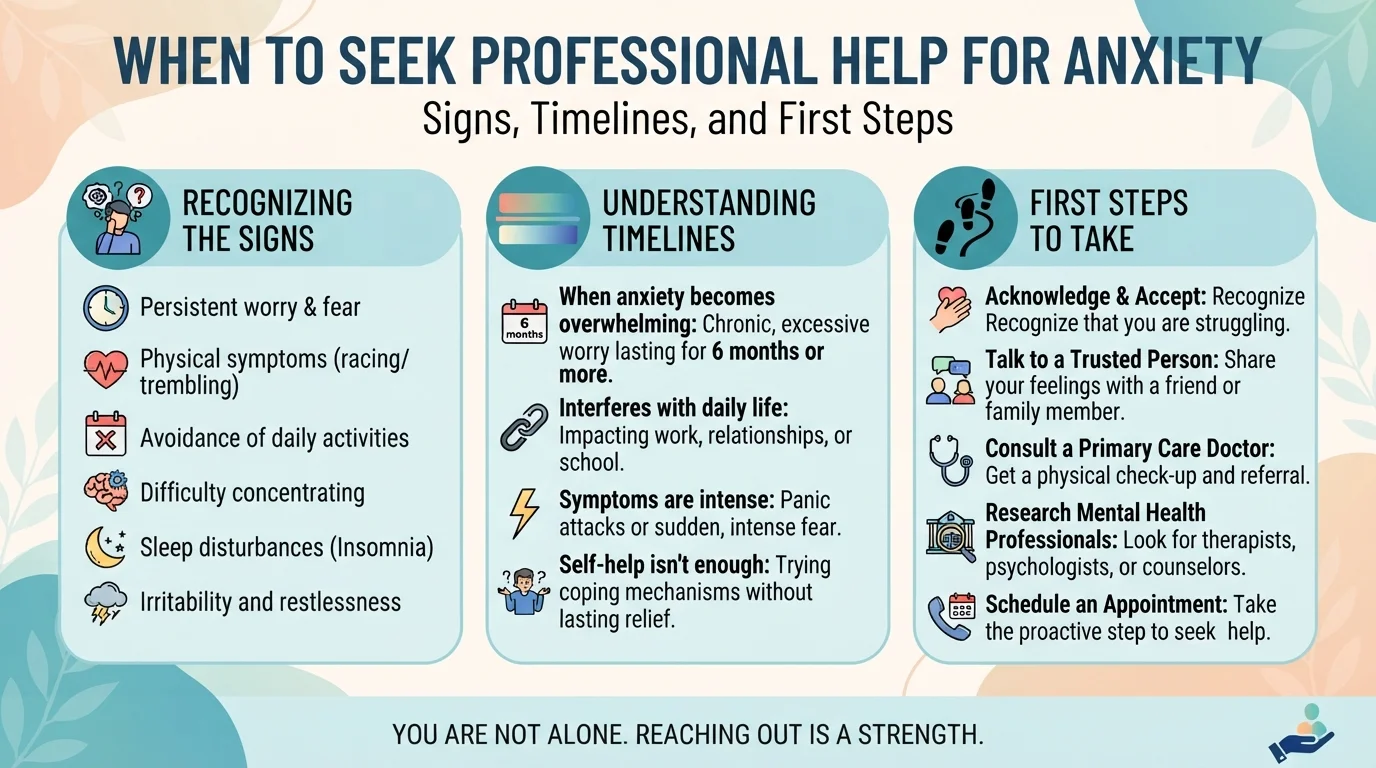
When to Seek Professional Help for Anxiety: Signs, Timelines, and First Steps
Anxiety (anxious distress) is the body's alarm response to a perceived threat, marked by worry, muscle tension, and a faster...
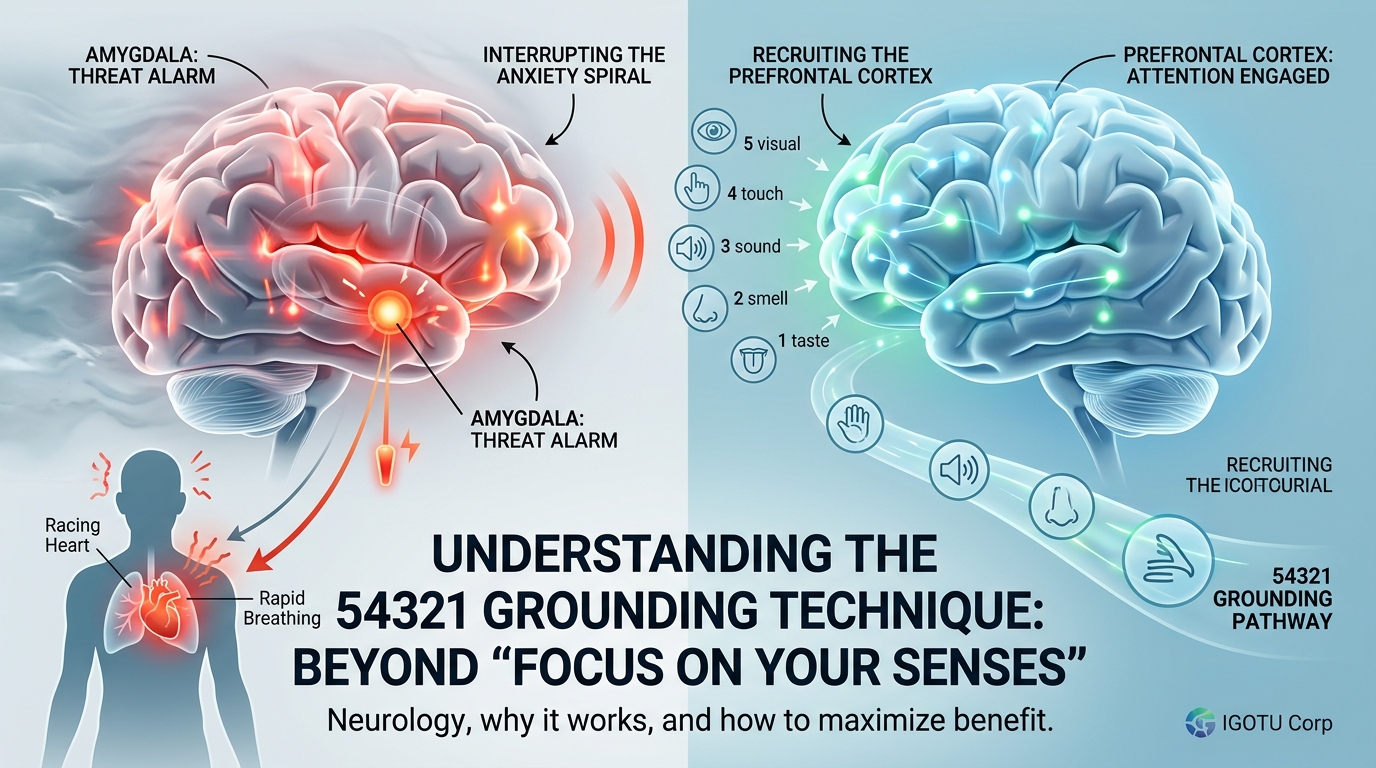
What Is the 54321 Grounding Technique? How Does It Actually Work?
If you have ever looked up what to do during a panic attack, an anxiety spiral, or a moment of...
Can Stress Alone Cause Panic Disorder? IGOTU Corp Guide
The Question That Arrives After the First Attack You were not doing anything dramatic. You were not in danger. You...
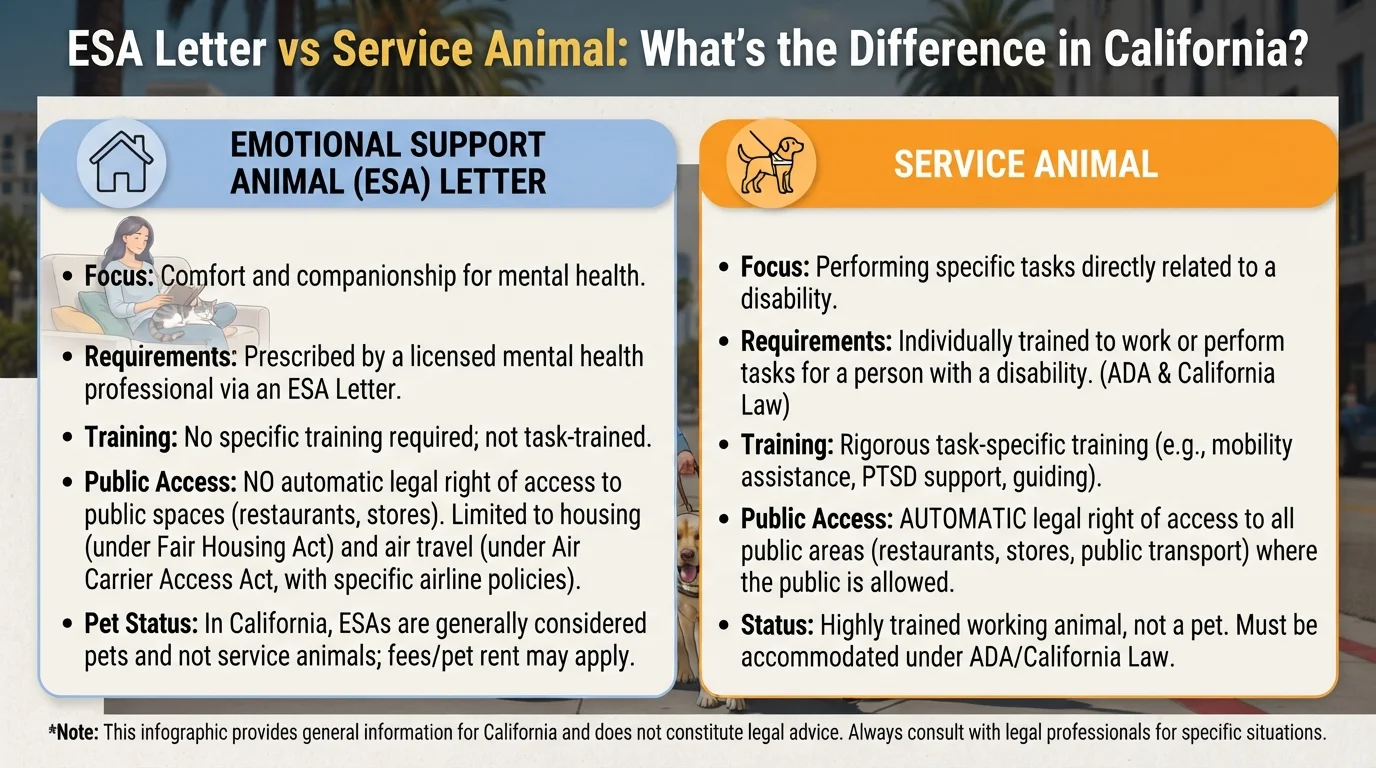
ESA Letter vs Service Animal: What’s the Difference in California?
An ESA letter and a service animal are not the same thing under California or federal law, and confusing the...