
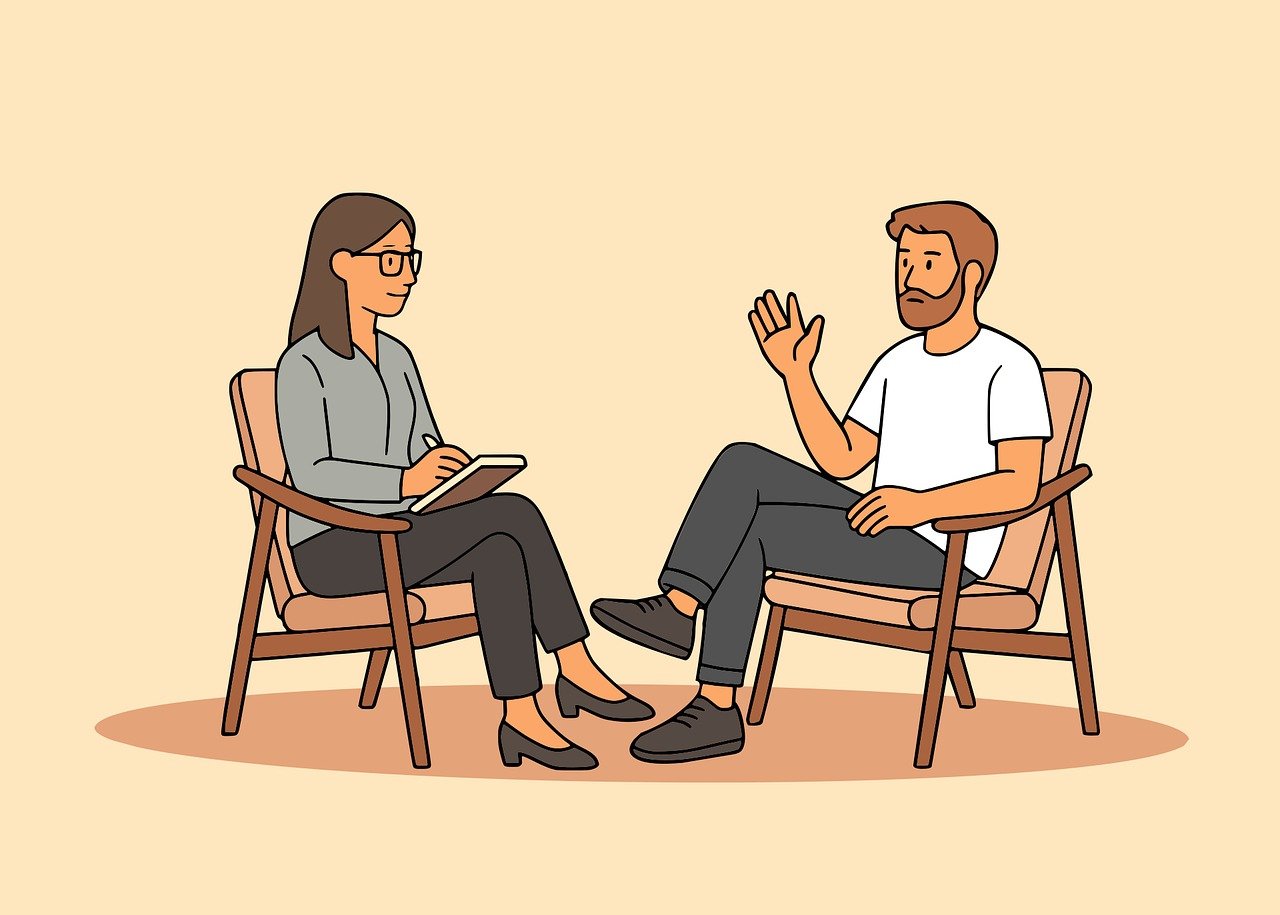
Online DBT Program: Your Complete Guide to Dialectical Behavior Therapy Online
Mental health care has undergone a remarkable transformation in recent years, and one of the most significant developments has been the rise of the online DBT program. Dialectical Behavior Therapy — commonly known as DBT — is a highly structured, evidence-based form of psychotherapy originally developed by Dr. Marsha Linehan at the University of Washington in the late 1980s. Once available only in clinical settings, DBT is now accessible to thousands of people through flexible, effective online formats that bring this life-changing treatment directly to you, wherever you are.
Whether you are living with borderline personality disorder (BPD), struggling with emotional dysregulation, dealing with chronic distress, or simply looking for practical tools to manage anxiety and interpersonal conflict, an online DBT program offers a structured, skills-based pathway toward meaningful and lasting change. At IGotU Corp, we are committed to making quality DBT therapy accessible, affordable, and deeply effective for every individual we serve.
This comprehensive guide covers everything you need to know — what DBT is, who it helps, what to look for in the best online DBT therapy, how to access free and low-cost options, and why I Got U Corp is trusted by clients across the United States.
What Is DBT and Why Is It So Effective?
Dialectical Behavior Therapy is a form of cognitive-behavioral therapy that was originally created to treat chronic suicidality and borderline personality disorder. Today, its applications have broadened significantly. DBT is recognized as one of the most effective therapeutic modalities for a wide range of conditions involving emotional dysregulation, impulsive behavior, and interpersonal difficulties.
The word “dialectical” refers to the synthesis of seemingly opposite concepts — most importantly, the balance between acceptance and change. DBT teaches clients to accept their current emotional reality while simultaneously working to change unhelpful patterns of thinking and behavior. This balance is what makes DBT uniquely powerful and deeply practical.
A comprehensive online DBT program is typically organized around four core skill modules:
- Mindfulness — Developing present-moment awareness and non-judgmental observation of thoughts and feelings
- Distress Tolerance — Building the capacity to endure painful emotions without making situations worse
- Emotion Regulation — Learning to identify, understand, and effectively manage intense emotions
- Interpersonal Effectiveness — Developing healthy communication skills, boundary-setting, and relationship strategies
Each module is taught through a combination of psychoeducation, skill-building exercises, worksheets, and therapeutic dialogue — all of which translate effectively to an online format.
Who Can Benefit From an Online DBT Program?
One of the most important truths about DBT is that it was never designed exclusively for people with BPD. Research over the past three decades has demonstrated its effectiveness across a wide range of mental health challenges. You may be a strong candidate for an online DBT program if you identify with any of the following:
- Borderline personality disorder (BPD) — DBT remains the gold-standard treatment
- Depression that has not responded fully to other treatments
- Anxiety disorders, including generalized anxiety and social anxiety
- Post-traumatic stress disorder (PTSD) and complex trauma
- Eating disorders, including binge eating and bulimia nervosa
- Substance use disorders and addictive behaviors
- Chronic suicidal ideation or non-suicidal self-injury (NSSI)
- Emotional dysregulation and frequent mood swings
- Difficulty maintaining stable, healthy relationships
- Attention-deficit/hyperactivity disorder (ADHD) with emotional components
If you have been searching for DBT therapy near me and found limited options, high costs, or long waitlists, an online DBT program is not a compromise — it is often a genuinely superior solution that removes the most common barriers to accessing life-changing care.
Online DBT Program vs. In-Person DBT: Understanding the Key Differences
A common concern among those new to online therapy is whether a virtual format can truly replicate the effectiveness of in-person DBT. A growing body of clinical research — including studies published in peer-reviewed journals — confirms that online DBT therapy produces comparable outcomes to in-person treatment across the four core skill areas. Here is a clear comparison:
| Feature | Online DBT Program | In-Person DBT |
| Accessibility | Available from anywhere with internet | Limited by geography & transportation |
| Scheduling | Flexible — evenings, weekends, your schedule | Fixed clinic hours |
| Cost | Often lower; free options exist | Higher cost; insurance dependent |
| Waitlists | Typically shorter | Often 3–6 months+ |
| Privacy | Session from your own home | Travel to a clinic required |
| Group Skills | Video-based group sessions available | In-person group skills training |
| Clinical Outcomes | Evidence-based; comparable to in-person | Traditional gold standard |
What Makes the Best Online DBT Therapy? Key Factors to Evaluate?
With many platforms and providers now offering online DBT services, knowing how to evaluate quality is essential. The best online DBT therapy programs share a set of core characteristics that distinguish them from generic talk therapy or self-help apps. When researching your options — whether through personal referrals, the best online DBT therapy Reddit communities, or professional directories — look for these critical markers:
Clinician Credentials and DBT-Specific Training
DBT is a specialized modality that requires therapists to complete specific training beyond general psychotherapy licensure. Look for providers who hold active licensure (LCSW, LPC, LMFT, PsyD, PhD) and have completed intensive DBT training through the Behavioral Tech Institute or equivalent certification body. At I Got U Corp, all our clinicians meet or exceed these professional standards.
Adherent DBT Format — All Four Modules
A true, comprehensive DBT program includes all four skill modules (mindfulness, distress tolerance, emotion regulation, interpersonal effectiveness), individual therapy sessions, skills training groups, phone coaching between sessions, and therapist consultation teams. Programs offering only one or two elements are classified as “DBT-informed” rather than full DBT. For complex presentations like BPD, a fully adherent program consistently produces better outcomes.
Evidence-Based, Structured Curriculum
The best online DBT programs follow the structured curriculum developed by Dr. Linehan and her colleagues, using validated workbooks, skills training handouts, and diary cards. This structure is what separates effective DBT from general coping skills classes. Ask providers directly about the curriculum they use and how they measure client progress.
Accessibility and Insurance Compatibility
A high-quality program should be easy to access on multiple devices, offer flexible scheduling, and work with your insurance or offer transparent self-pay rates. I Got U Corp accepts multiple insurance plans and offers affordable private-pay options to ensure that cost is never a barrier to receiving the support you deserve.
Online DBT Therapy Free and Low-Cost Options: What’s Available?
Access to mental health care should never be determined by financial circumstances. If you are searching for online DBT therapy free or online DBT therapy for BPD free, there are several legitimate pathways worth exploring:
- Community mental health centers — Many offer sliding-scale or free DBT groups funded by state grants
- University training clinics — Graduate psychology programs often offer full DBT at low or no cost
- DBT online course for patients — Structured self-guided programs (such as those based on Linehan’s workbook) can supplement therapy at minimal cost
- NAMI and DBSA peer support groups — Free peer-led groups that incorporate DBT skills concepts
- YouTube and free workbooks — High-quality psychoeducational content for learning foundational skills independently
- Open Path Collective — A network of therapists offering reduced-rate sessions, including DBT specialists
While online DBT therapy free resources are valuable, particularly as a starting point or supplement, they are most effective when combined with professional guidance. I Got U Corp offers a range of service tiers — including group skills training at significantly reduced cost — to ensure that comprehensive DBT care is within reach for every client, regardless of their financial situation. We encourage you to contact us directly to discuss the most accessible options available to you.
What to Expect From Your Online DBT Program Journey
Understanding what actually happens inside an online DBT program helps set realistic expectations and prepares you to get the most from the process. Here is a typical program structure:
Initial Assessment and Intake
Your journey begins with a comprehensive clinical intake — a thorough assessment of your history, current challenges, diagnosis if applicable, and treatment goals. This informs which program components are most relevant for you and helps your therapist develop a personalized treatment plan.
Individual Therapy Sessions
One-on-one weekly sessions with your DBT therapist address your specific challenges, reinforce skills learned in group, and process any crisis situations or high-risk behaviors using a structured DBT approach. Sessions are typically 50 minutes and are conducted via a secure, HIPAA-compliant video platform.
DBT Skills Training Group
Group sessions — typically 90 to 120 minutes per week — are the backbone of skills acquisition. Facilitated by a trained DBT clinician, these groups work through all four skill modules in a rotating 24-week curriculum. Online groups mirror the in-person format closely and many clients find the virtual group environment reduces social anxiety, making it easier to engage openly.
Phone Coaching
Between sessions, DBT clients have access to brief phone or text coaching from their therapist during moments of crisis or when applying a skill in a real-life situation is challenging. This between-session support is one of DBT’s most distinctive and powerful features.
Diary Cards and Homework
Clients track emotional experiences, urges, behaviors, and skill use daily using DBT diary cards. This structured self-monitoring practice is integral to progress and helps therapists and clients identify patterns that inform ongoing treatment. Digital diary cards are seamlessly integrated into most online DBT platforms.
Why Choose I Got U Corp for Your Online DBT Program?
When it comes to finding the best online DBT therapy, trust and clinical quality matter above everything else. I Got U Corp was founded on the belief that every person deserves compassionate, evidence-based mental health support — delivered by clinicians who genuinely care about lasting outcomes, not just symptom management.
Here is what sets us apart:
- Fully licensed, DBT-trained therapists with specialized expertise in BPD and emotional dysregulation
- Comprehensive adherent DBT programs — individual therapy, group skills training, and phone coaching
- Secure, HIPAA-compliant telehealth platform accessible from any device
- Flexible scheduling designed around your life — including evening and weekend availability
- Insurance-friendly billing and transparent, affordable self-pay rates
- Warm, client-centered culture — you are never a number; you are a whole person
- Ongoing outcome monitoring to track your progress and adapt your program as needed
- Serving clients across California and beyond via our fully online platform
Whether you have been searching for DBT therapy near me and come up short, or you have already explored online DBT therapy Reddit threads looking for real-world recommendations — clients consistently point to I Got U Corp as a provider that combines clinical excellence with genuine human warmth. We invite you to reach out and experience that difference for yourself.
Frequently Asked Questions About Online DBT Programs
Q1: What is an online DBT program and how does it work?
An online DBT program delivers all core components of Dialectical Behavior Therapy through a secure telehealth platform — typically including individual therapy sessions, group skills training, phone coaching, and structured homework. Sessions take place via video, and between-session support is provided through phone or encrypted messaging. Research confirms that online DBT produces outcomes equivalent to in-person treatment, making it a fully viable and often preferable option for many clients.
Q2: Is online DBT therapy effective for BPD?
Yes. Multiple clinical studies have validated the effectiveness of online DBT therapy for BPD. DBT is the only therapeutic modality with Level 1 evidence (the highest standard) for BPD, and this effectiveness is maintained in online delivery. Key outcomes include reductions in self-harm, suicidal ideation, emotional dysregulation, and impulsive behavior, along with significant improvements in interpersonal functioning and overall quality of life.
Q3: Is there online DBT therapy free of charge?
Free and low-cost online DBT therapy free options do exist — including community mental health centers, university clinics, peer support groups, and self-guided online courses. However, for complex presentations such as BPD, a fully adherent program led by trained clinicians is strongly recommended for optimal outcomes. I Got U Corp offers flexible pricing and works with insurance to make comprehensive DBT as accessible as possible. Contact us to discuss what options are available at your income level.
Q4: How long does a full online DBT program take?
A full, adherent DBT program typically runs 12 to 24 months. The skills training curriculum is usually completed in 24 weeks (6 months), with the curriculum sometimes repeated twice for deeper consolidation. Individual therapy continues throughout and beyond the group phase. Shorter, time-limited DBT skills programs (8–12 weeks) are also available for individuals with less complex needs or those who want a DBT-informed skills course rather than comprehensive treatment.
Q5: What is the difference between a DBT online course for patients and full DBT therapy?
A DBT online course for patients typically refers to a structured self-guided or group-based educational program that teaches DBT skills — mindfulness, distress tolerance, emotion regulation, and interpersonal effectiveness — without the individual therapy component. These courses are valuable for skill-building, particularly for individuals with mild-to-moderate difficulties. Full DBT therapy additionally includes individual sessions, phone coaching, and therapist consultation, making it more appropriate for individuals with BPD, chronic suicidality, or complex trauma.
Q6: How do I know if I need DBT or a different type of therapy?
DBT is specifically indicated for individuals who experience intense, rapidly shifting emotions, impulsive behaviors, chronic interpersonal difficulties, self-harm urges, or who have a BPD diagnosis. If you are uncertain, the best first step is a clinical assessment with a qualified therapist. I Got U Corp offers initial consultations to help determine whether DBT or another evidence-based approach — such as CBT, EMDR, or ACT — is the most appropriate fit for your specific needs and goals.
Q7: Do I need a diagnosis of BPD to enroll in an online DBT program?
No. While DBT was originally developed for BPD, it is widely used and highly effective for depression, anxiety, PTSD, eating disorders, substance use, and anyone experiencing significant emotional dysregulation. A BPD diagnosis is not required to benefit from or enroll in a DBT program. During your intake at I Got U Corp, your clinician will conduct a thorough assessment and help determine whether DBT is the right fit — regardless of your diagnosis.
Take the First Step With I Got U Corp’s Online DBT Program
Living with intense emotions, relational pain, or a condition like BPD can feel profoundly isolating — but it does not have to. An evidence-based online DBT program has the power to transform the way you relate to your emotions, your relationships, and yourself. The skills taught in DBT are not just therapeutic tools — they are life skills that clients use every single day, long after formal treatment ends.
At I Got U Corp, we believe that every person deserves access to the best online DBT therapy — delivered by clinicians who see you as a whole person and walk alongside you with consistency, expertise, and genuine care. Whether you are seeking comprehensive DBT for BPD, looking for a structured DBT online course for patients, or simply exploring your options after searching for DBT therapy near me — we are here, and we are ready to help.
Reach out to I Got U Corp today. Your journey toward a life worth living starts with a single conversation.
Contact I Got U Corp
We are here to help you take the next step toward healing
📞 +1 909-325-7949
✉ Noworries@igotucorp.com
📍 9431 Haven Ave Suite 100-151, Rancho Cucamonga, CA 91730, United States
Recent Posts
Related Posts

What to Expect During Your First 7 Days at a Depression Center
The night before you start treatment can feel strange. Part of you is relieved that help is finally coming. Another...
How to Protect Your Mental Health Without Sacrificing Your Career
It is Sunday evening and your stomach is already tight. You are replying to emails you will see again in...
How to Find a Licensed Male Therapist in California
Plenty of people know the moment they decide they want therapy. Fewer people know what to type into the search...

How to Do the 5-4-3-2-1 Technique Silently in Class
Learn how to manage anxiety discreetly during class using the simple and effective 5-4-3-2-1 grounding technique in this article. Exclusive...
How to Set Boundaries Without Guilt: Stop People Pleasing
You said yes again. You knew while the words were leaving your mouth that you did not want to say...