
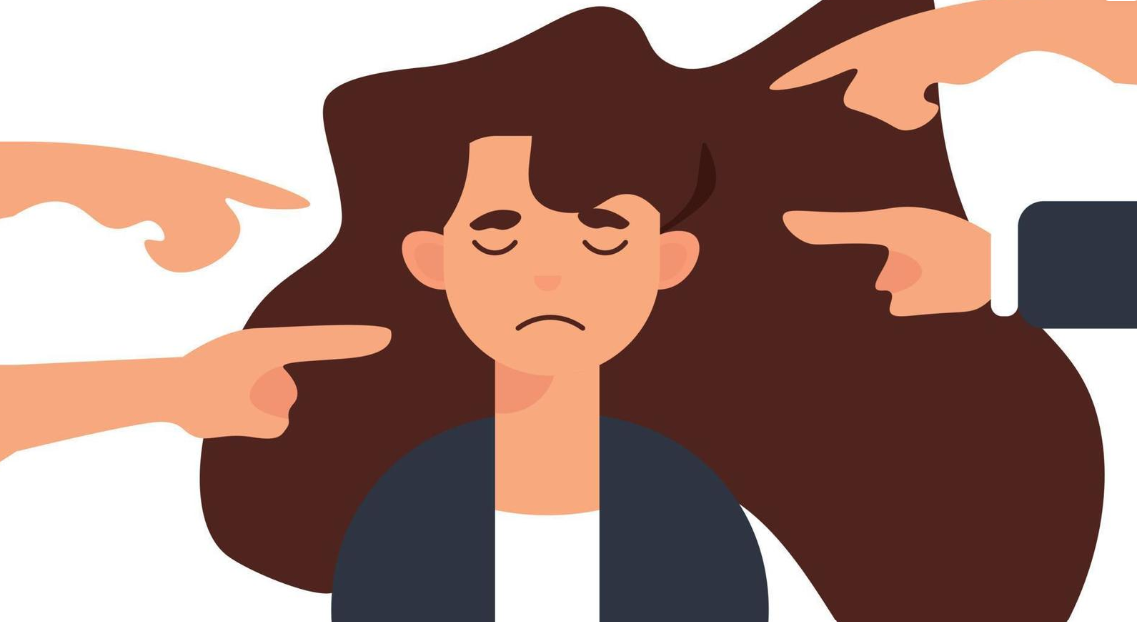
What Is Borderline Personality Disorder? Is It the Hardest Mental Illness
What Is Borderline Personality Disorder (BPD)?
There is a mental health condition that makes you feel everything more intensely than other people — love more deeply, fear more acutely, hurt more completely. A condition where the emotional volume is permanently turned up to a level that most people only reach in the worst moments of their lives. A condition where the terror of being abandoned can feel as physically real as a knife wound, where your sense of self can shift dramatically from one day to the next, and where the people you love most are often the ones caught in the crossfire of a nervous system that never learned how to regulate itself.
Borderline Personality Disorder (BPD) is a complex mental health condition characterized by pervasive instability in mood, self-image, interpersonal relationships, and behavior. It is listed in the DSM-5 (Diagnostic and Statistical Manual of Mental Disorders) as a Cluster B personality disorder, affecting an estimated 1.6% to 5.9% of the general population — which means tens of millions of people worldwide are living with it right now, many of them undiagnosed or misdiagnosed.
Despite how common it is, BPD remains one of the most stigmatized diagnoses in psychiatry — misrepresented in media, misunderstood by the public, and historically undertreated even within the mental health profession itself. This article intends to change that, at least for the person reading it.
What Are the Symptoms of BPD? The Full Clinical Picture
The DSM-5 defines BPD through nine core criteria. A diagnosis requires meeting at least five of the nine. But reading a clinical list tells you very little about what these symptoms actually feel like — so here, we’ll present both.
1. Frantic Efforts to Avoid Real or Imagined Abandonment
Clinically: Intense fear of and reactivity to perceived rejection or abandonment, even when the threat is not objectively real.
What it actually feels like: Your partner is twenty minutes late responding to a text. Most people notice and move on. For someone with BPD, those twenty minutes can feel like confirmation of their deepest fear — that they are going to be left, that they were never truly loved, that this is the beginning of the end. The emotional response that fires is not proportionate to the trigger. It is proportionate to a lifetime of accumulated fear. And it can produce behaviors — calling repeatedly, driving past someone’s house, sending messages that later cause shame — that the person with BPD often recognizes as excessive even while feeling utterly unable to stop.
2. Unstable and Intense Interpersonal Relationships
Clinically: A pattern of idealizing and then devaluing close relationships — sometimes called “splitting” or black-and-white thinking.
What it actually feels like: The person you love is the most wonderful human being alive — until something shifts, and suddenly they are a threat, a disappointment, or someone who has revealed that they never really cared at all. This is not manipulation. It is a genuine perceptual shift — the brain’s inability to hold both the good and the bad of a person simultaneously. It makes relationships exhausting, both for the person with BPD and for the people who love them.
3. Unstable Self-Image or Sense of Self
Clinically: Markedly and persistently unstable self-image or sense of self.
What it actually feels like: Many people with BPD describe not knowing who they are in a way that goes much deeper than ordinary identity uncertainty. Their values, preferences, opinions, career goals, and sense of their own personality can shift dramatically depending on who they’re with. They may adopt the tastes, beliefs, and even accent of whoever they’re close to — not as performance, but because their own identity doesn’t feel stable enough to anchor them. This internal shapelessness is one of the most distressing and least-discussed aspects of BPD.
4. Impulsivity in Self-Damaging Areas
Clinically: Impulsivity in at least two potentially self-damaging areas — spending, sex, substance use, reckless driving, binge eating.
What it actually feels like: Emotional pain in BPD is so intense and so physically real that the drive to escape it — through any available means — becomes overwhelming. Impulsive behaviors are often attempts to regulate unbearable internal states. They provide momentary relief. They also produce shame, which feeds the emotional pain, which drives more impulsivity. The cycle is familiar to almost everyone with BPD.
5. Recurrent Suicidal Behavior or Self-Harm
Clinically: Recurrent suicidal behavior, gestures, threats, or self-mutilating behavior.
What it actually feels like: This is the symptom that most frightens people around someone with BPD — and the one most frequently used to stigmatize the diagnosis. But understanding it requires compassion rather than judgment. Self-harm in BPD is most commonly an attempt to manage overwhelming emotional pain — to feel something concrete when emotions become dissociated and unreal, or to release pressure that has become unbearable. It is not attention-seeking. It is a maladaptive coping mechanism used by people in genuine crisis who have not yet found better tools.
BPD has one of the highest suicide attempt rates of any psychiatric condition. Approximately 10% of people with BPD die by suicide. That is not a statistic to be passed over quickly. It is a measure of how much pain this condition produces — and how urgently it deserves serious, compassionate treatment.
6. Severe Emotional Instability
Clinically: Affective instability due to marked reactivity of mood — intense episodes of dysphoria, irritability, or anxiety lasting hours to days.
What it actually feels like: Imagine your emotional baseline shifting multiple times within a single day. You wake up feeling okay. By mid-morning you are in the grip of a sadness so heavy it feels unsurvivable. By afternoon something has lifted and you feel almost normal. By evening something small has happened and you are in a rage that frightens even you. And then, exhausted, you go to sleep — only to repeat the cycle tomorrow. This is emotional dysregulation in BPD, and it is exhausting in a way that is almost impossible to adequately describe.
7. Chronic Feelings of Emptiness
Clinically: Chronic feelings of emptiness.
What it actually feels like: A hollow, gnawing sense of nothingness that persists even during objectively good periods of life. Not sadness — sadness has texture and direction. Emptiness is flat, directionless, and particularly difficult to treat because it doesn’t respond to the things that usually help emotional pain. Many people with BPD describe this as the symptom they find hardest to live with — harder even than the emotional storms, because at least those feel like something.
8. Inappropriate, Intense Anger
Clinically: Difficulty controlling anger — frequent displays of temper, constant anger, recurrent physical fights.
What it actually feels like: The anger that comes with BPD is not ordinary frustration amplified. It is a full-body emergency response that can be triggered by what others experience as minor slights or disappointments. It arrives fast, it is overwhelming in its intensity, and it often produces behavior — words said, things thrown, relationships damaged — that the person with BPD deeply regrets afterward. The shame that follows intense anger episodes is itself a significant source of suffering.
9. Dissociation or Paranoid Ideation Under Stress
Clinically: Transient, stress-related paranoid ideation or severe dissociative symptoms.
What it actually feels like: Under high emotional stress, some people with BPD experience a disconnection from reality — feeling that the world isn’t real, that they aren’t real, that things are happening at a remove from themselves. Others experience paranoid thoughts — a sudden, overwhelming conviction that people around them intend harm, are talking about them, or are conspiring against them. These episodes are typically brief, but they are frightening and disorienting.
What Causes BPD? Understanding the Roots
BPD does not develop in a vacuum. Research consistently identifies a combination of biological vulnerability and environmental experience as the causal landscape.
Genetics and Neurobiology
BPD has a significant heritable component — studies of twins estimate heritability at around 40-69%. People with BPD show measurable differences in brain structure and function compared to people without it — particularly in the amygdala (which processes emotional responses and threat detection), the prefrontal cortex (which regulates impulse control and emotional regulation), and the connectivity between them.
The amygdala in BPD is hyperreactive — firing faster and more intensely in response to emotional stimuli. The prefrontal cortex, which normally applies the brakes, is less able to modulate those responses. This is not metaphor. It is neurology. The emotional intensity of BPD is partly a structural feature of how the brain is wired.
Childhood Trauma and Adverse Experiences
The majority of people with BPD — research estimates between 70% and 90% — report histories of childhood trauma, including emotional, physical, or sexual abuse, neglect, early loss, or chaotic and unpredictable caregiving environments.
Marsha Linehan, the psychologist who developed Dialectical Behavior Therapy (DBT) specifically for BPD, proposed the biosocial theory of BPD: that the condition develops when a child with biological emotional sensitivity grows up in an invalidating environment — one that consistently dismisses, minimizes, or punishes emotional expression.
When a child who feels everything intensely is repeatedly told that their feelings are wrong, excessive, manipulative, or shameful, they never develop the internal tools to regulate those feelings. The result, in adulthood, is a person with the emotional intensity turned all the way up and no volume control.
Attachment Disruption
Disorganized attachment — formed when caregivers are both a source of comfort and a source of fear — is particularly strongly associated with BPD. When the person who is supposed to protect you is also the person who hurts you, the nervous system develops a fundamentally confused relationship with intimacy. It craves closeness and is terrified of it simultaneously. This is the neurological template for the intense, unstable relationships that characterize BPD in adulthood.
Is BPD the Hardest Mental Illness to Live With?
This is the question at the heart of this article, and it deserves a real answer rather than a diplomatic deflection.
The honest answer is: for many people who live with it, yes — BPD is among the most painful and most difficult mental health conditions to exist with daily. Several factors contribute to this.
The Pain Is Constant and Pervasive
Unlike conditions that produce discrete episodes — a depressive episode, a manic phase, a panic attack — BPD affects the fundamental way a person experiences every moment of every day. Relationships, identity, emotional regulation, impulse control, sense of reality — these are not peripheral functions. They are the core infrastructure of human experience. When all of them are simultaneously dysregulated, there is no part of daily life that goes untouched.
Emotional Pain Reaches Extreme Intensity
Researcher and BPD expert Marsha Linehan famously described people with BPD as having the emotional equivalent of third-degree burns over most of their body. They are in constant pain, and the slightest touch — the slightest thing that triggers an emotional response — causes agony disproportionate to what the situation would produce in someone without that wound.
Many people with BPD describe their emotional experience not as being more sensitive than others, but as experiencing the same emotions at a different magnitude — a magnitude that other people only reach in the most extreme moments of their lives (bereavement, acute trauma, mortal threat) but that people with BPD experience in response to ordinary daily triggers.
The Stigma Makes It Worse
BPD is one of the most stigmatized diagnoses in psychiatry — not just in the general public, but within the mental health profession itself. Research has found that some clinicians hold negative attitudes toward BPD patients, viewing them as manipulative, attention-seeking, or treatment-resistant. These attitudes delay diagnosis, reduce treatment quality, and cause additional harm to people who are already in significant distress.
The stigma also prevents many people from disclosing their diagnosis — adding isolation and shame to an already overwhelming condition.
It Is Chronically Misdiagnosed
BPD shares symptoms with depression, bipolar disorder, PTSD, ADHD, and anxiety disorders — and it is frequently misdiagnosed as one or more of these before the correct diagnosis is reached. The average person with BPD has seen 3.4 clinicians before receiving an accurate diagnosis. Years of incorrect treatment — and the confusion and despair that come with it — add significantly to the suffering the condition produces.
But It Is Also Among the Most Treatable
Here is what is equally true, equally important, and far less often stated: BPD is one of the most treatable personality disorders in psychiatry.
With the right treatment — particularly Dialectical Behavior Therapy (DBT), which was specifically developed for BPD — the majority of people with BPD see dramatic, lasting improvement. Long-term studies show that 70-99% of people with BPD no longer meet diagnostic criteria after 10 years of treatment and support.
BPD is hard to live with. It is not a life sentence.
What Is DBT and Why Is It the Gold Standard for BPD Treatment?
Dialectical Behavior Therapy (DBT) is the most evidence-supported treatment for BPD. It was developed in the 1980s by Dr. Marsha Linehan — herself a person with lived experience of BPD — specifically to address the emotional dysregulation and self-destructive behaviors at the heart of the condition.
DBT is built on a central dialectic: acceptance and change. You are accepted exactly as you are, and you are also capable of changing. Both things are simultaneously true. This framework directly addresses the black-and-white thinking of BPD with a structural insistence on holding opposing truths at once.
DBT teaches four core skill sets:
Mindfulness: The foundation of all other DBT skills. Learning to observe your thoughts and emotions without immediately reacting to them — creating space between the stimulus and the response.
Distress Tolerance: Skills for surviving emotional crises without making them worse — what DBT calls “getting through the moment” without acting destructively. Techniques include TIPP (Temperature, Intense exercise, Paced breathing, Progressive relaxation), radical acceptance, and distraction strategies.
Emotion Regulation: Skills for understanding, labeling, and changing emotional experiences — reducing vulnerability to emotional floods and increasing positive emotional experiences over time.
Interpersonal Effectiveness: Skills for navigating relationships — asking for what you need, setting limits, maintaining self-respect, and managing the intense relational dynamics that BPD makes so difficult.
Standard DBT involves individual therapy, group skills training, phone coaching for crisis moments, and therapist consultation teams. It is intensive — and it works.
Other Effective Treatments for BPD
While DBT is the gold standard, it is not the only effective treatment:
Mentalization-Based Treatment (MBT): Developed by Peter Fonagy and Anthony Bateman, MBT focuses on improving mentalization — the ability to understand your own and others’ mental states, thoughts, feelings, and intentions. BPD significantly impairs mentalization under stress, and rebuilding this capacity changes everything about how relationships feel and function.
Schema Therapy: Schema therapy addresses the deep, early-developed patterns of thinking and relating — called schemas — that drive BPD symptoms. It combines cognitive, behavioral, and attachment-based approaches to target the root causes rather than just the surface manifestations.
Transference-Focused Psychotherapy (TFP): A psychodynamic approach that works with the intense relational patterns that emerge within the therapeutic relationship itself, using them as material for understanding and changing the broader relational patterns of BPD.
Medication: There is no FDA-approved medication specifically for BPD, and medication alone is not effective. However, certain medications can target specific symptom clusters — mood stabilizers for emotional dysregulation, low-dose antipsychotics for dissociation and paranoid ideation, antidepressants for comorbid depression. Medication is most useful as an adjunct to therapy, not a replacement for it.
Start Your BPD Recovery Journey With IGOTU Corp’s Licensed Therapists
A BPD diagnosis — or the suspicion of one — can feel like being handed a life sentence written in a language you don’t fully understand yet. It is not. It is the beginning of finally having a name for something you’ve been living with, often for decades, without explanation or support.
IGOTU Corp connects you with licensed mental health professionals who specialize in BPD, emotional dysregulation, and trauma-informed care — including therapists trained in DBT, schema therapy, and attachment-based approaches. Their clinicians understand that behind every BPD diagnosis is a person of profound emotional depth who never received the tools they needed — and they are equipped to provide those tools.
Whether you are newly diagnosed, self-identified, or simply recognizing yourself in what you’ve read here, IGOTU Corp’s licensed therapist network is ready to meet you where you are — without judgment, without the stigma that has historically followed this diagnosis, and with the full weight of evidence-based treatment behind them.
Visit IGOTU Corp today, take their free mental health assessment, and get matched with a licensed therapist who specializes in BPD and complex emotional conditions. Because you have been carrying this long enough without the right support.
BPD and Relationships: What Partners, Families, and Friends Need to Know
BPD does not exist in isolation. It lives in relationships — and it affects everyone in its orbit.
What It’s Like to Love Someone With BPD
Loving someone with BPD can be one of the most intense, rewarding, and exhausting relational experiences a person can have. The connection is often extraordinarily deep — people with BPD love with a completeness and intensity that many partners describe as unlike anything they’ve experienced before. But the emotional volatility, the fear of abandonment, the splitting, and the crisis moments can leave partners feeling confused, helpless, and depleted.
The most important thing partners and family members can understand is this: the behaviors that hurt you are not directed at you. They are the manifestation of a nervous system in chronic pain, doing the only things it knows how to do to survive. That doesn’t make the behaviors acceptable or mean you must tolerate everything. It means the behaviors make sense in a way that changes how you respond to them.
Family Members Need Support Too
BPD affects entire family systems. Family members often benefit from their own therapeutic support — both to process the impact of a loved one’s condition and to learn communication strategies (often drawn from DBT) that reduce conflict and increase connection. Organizations like NAMI (National Alliance on Mental Illness) offer family education programs specifically designed for relatives of people with BPD.
Setting Limits Without Abandoning
One of the hardest relational challenges around BPD is that the things necessary for a healthy relationship — honest communication, maintaining your own needs, setting firm limits — can trigger the person with BPD’s most intense fears. Navigating this requires skill, patience, and often professional guidance. But it is navigable. Many people maintain deeply loving, functional relationships with partners, children, and parents who have BPD — particularly when both parties have access to the right support.
BPD vs. Bipolar Disorder: The Most Common Misdiagnosis
Because both conditions involve significant mood instability, BPD and Bipolar Disorder are frequently confused — and the distinction matters enormously for treatment.
The key differences:
Duration of mood episodes: Bipolar mood episodes (depression or mania) last days to weeks to months. BPD mood shifts typically occur within a single day — sometimes within hours — and are usually triggered by interpersonal events.
Trigger dependence: BPD mood shifts are almost always triggered by something relational or situational — perceived rejection, conflict, abandonment. Bipolar mood episodes often occur independently of external triggers.
Identity and relationship instability: The identity disturbance and intense relational patterns of BPD are not features of bipolar disorder.
Response to treatment: Bipolar disorder responds well to mood stabilizers and lithium. BPD does not have the same medication response profile. Treating BPD as bipolar disorder — which happens frequently in misdiagnosis — often produces years of ineffective pharmacological management while the actual condition goes unaddressed.
BPD in Men: The Hidden Diagnosis
BPD is commonly described as a condition that primarily affects women — with some statistics suggesting a 3:1 female-to-male ratio in clinical settings. However, research increasingly suggests that BPD affects men and women at roughly equal rates in the general population.
The disparity in clinical settings reflects a diagnostic bias: men with BPD are more likely to be diagnosed with antisocial personality disorder, narcissistic personality disorder, PTSD, or substance use disorders — conditions that share symptom overlap with BPD but carry different (and often less stigmatized) labels.
Men with BPD often present differently — with more externalizing behaviors (aggression, substance use, reckless behavior) rather than the internalizing behaviors (self-harm, suicidal ideation) more commonly associated with the diagnosis in women. This presentation difference means men with BPD are systematically under-identified and undertreated.
If you are a man who recognizes himself in what this article describes, that recognition is valid. BPD is not a gendered condition. It is a human one.
What Recovery From BPD Actually Looks Like
Recovery from BPD is real. It is not a myth, a rarity, or something reserved for people with mild cases. But it is worth being honest about what it looks like — because it is not a straight line, and it is not a destination so much as a direction.
Recovery from BPD means:
Learning to recognize the emotional storm before you’re fully inside it — and having tools to navigate it rather than just survive it.
Developing the capacity to hold complexity in relationships — to see people as both good and flawed simultaneously, rather than oscillating between idealization and complete devaluation.
Building a stable enough sense of self that you don’t disappear into every relationship you enter.
Being able to tolerate ordinary separations, disappointments, and frustrations without experiencing them as existential threats.
Finding that the chronic emptiness has something in it now — meaning, connection, purpose — even imperfectly.
Recovery does not necessarily mean: Never having hard days. Never experiencing emotional intensity. Never struggling in relationships. BPD leaves marks. But marks are not the same as wounds that never heal.
Long-term studies — including the McLean Study of Adult Development, which followed BPD patients for decades — found that the majority of participants experienced sustained remission from BPD criteria. Recovery is the statistical norm for people who receive appropriate treatment and support. That is worth saying as plainly as possible.
Frequently Asked Questions (FAQs) About Borderline Personality Disorder
Q: What is the difference between BPD and having a difficult personality? BPD is a clinical condition with specific neurobiological underpinnings, not a character flaw or personality defect. It produces measurable differences in brain function and structure and responds to specific evidence-based treatments. Describing it as “a difficult personality” reflects the stigma that surrounds the diagnosis rather than the clinical reality.
Q: Can BPD be cured completely? The word “cured” is less accurate than “recovered” or “in remission.” Long-term studies show that the majority of people with BPD no longer meet diagnostic criteria after sustained treatment. Many people with BPD go on to live fully functional, deeply meaningful lives. The emotional sensitivity that underlies BPD often persists — but it becomes manageable, and for many people, it becomes a source of empathy and depth rather than only suffering.
Q: Is BPD caused by trauma? Trauma — particularly childhood trauma in an invalidating environment — is a major contributor to BPD development, but it is not the sole cause. BPD develops from an interaction between biological emotional sensitivity and environmental experience. Not everyone with childhood trauma develops BPD, and not everyone with BPD has experienced obvious trauma. Both factors matter.
Q: Why is BPD so stigmatized in mental health settings? Historically, BPD was considered untreatable, which bred clinical frustration and negative attitudes. The behaviors associated with BPD — self-harm, emotional crises, intense relational dynamics — can be challenging to manage clinically, and some providers developed negative beliefs about patients with the diagnosis. These attitudes are changing as effective treatments like DBT have demonstrated robust outcomes, but stigma remains a real problem that affects diagnosis and treatment quality.
Q: How do I know if I have BPD or just intense emotions? Everyone has intense emotions sometimes. BPD involves a pervasive pattern — across time, contexts, and relationships — of emotional instability, identity disturbance, and relational turbulence that causes significant functional impairment. If you recognize yourself strongly in the descriptions in this article and your experiences are affecting your relationships, work, and daily functioning, speaking with a licensed mental health professional for a proper assessment is the right next step.
Q: Can children be diagnosed with BPD? The DSM-5 specifies that BPD should not typically be diagnosed before age 18, as personality is still developing in adolescence. However, adolescents can be diagnosed in cases where symptoms are pervasive, stable, and not better explained by another condition. Early intervention for adolescents showing BPD features — before the patterns solidify into adulthood — is an active area of clinical focus.
Q: Is BPD the same as being emotionally sensitive? Emotional sensitivity is a temperamental trait — found across the general population — that includes some overlap with BPD. But BPD involves a clinical level of emotional dysregulation, identity disturbance, and relational instability that goes significantly beyond sensitivity. Not all highly sensitive people have BPD, and BPD involves more than emotional sensitivity alone.
Q: What should I do if I think someone I love has BPD? Encourage them — gently, without diagnosis — to speak with a mental health professional. Avoid diagnosing them yourself. Seek your own support to learn communication strategies that reduce conflict. Educate yourself about BPD to understand that the behaviors that hurt you are symptoms, not character. And if the relationship involves abuse — because BPD, like any mental health condition, does not excuse abusive behavior — prioritize your own safety.
Q: How long does DBT take to work? Standard DBT is typically delivered over one year, with some programs extending to two years for complex presentations. Research shows meaningful symptom reduction within 6 months of beginning treatment, with continued improvement over the full treatment period and beyond.
Q: Where can I get a proper BPD assessment and access DBT treatment? IGOTU Corp connects you with licensed clinicians who specialize in BPD assessment and treatment — including therapists trained in DBT and other evidence-based approaches. Rather than navigating a fragmented mental health system alone, IGOTU Corp gives you a direct path to the right professional for your specific needs. Visit IGOTU Corp to take their free assessment and get started.
The Bottom Line: BPD Is Not a Life Sentence. It Is a Call for the Right Support.
Borderline Personality Disorder is, by any honest measure, one of the most painful conditions a human being can live with. The emotional intensity is real. The relational suffering is real. The chronic emptiness, the fear of abandonment, the identity confusion — all of it is real, all of it matters, and none of it is the person’s fault.
But here is what is equally real: people recover from BPD every day. Not by becoming different people — but by finally getting the support that teaches them to work with the nervous system they have rather than being destroyed by it.
The emotional depth that comes with BPD — the capacity for intense love, extraordinary empathy, and profound connection — does not have to be a source of only suffering. With the right treatment, the right support, and the right people around you, it can become something else entirely.
You have been feeling everything at full volume for a long time without anyone handing you a volume control. That volume control exists. It is called DBT. It is called therapy. It is called finally being seen by someone who understands what you’re actually living with.
IGOTU Corp’s licensed therapists are ready to be that support. Visit IGOTU Corp today — take the free assessment, get matched with a BPD-specialist clinician, and start the journey that the research says most people with BPD are absolutely capable of completing: toward a life that is no longer defined by the pain of this condition, but shaped by everything you are beyond it.
This article is for informational purposes only and does not constitute medical or psychological advice. If you or someone you know is experiencing suicidal thoughts or a mental health crisis, please contact a crisis line immediately — in the US, call or text 988 to reach the Suicide and Crisis Lifeline. For personalized diagnosis and treatment guidance, please consult a licensed mental health professional at IGOTU CORP.
Recent Posts
Related Posts

What to Expect During Your First 7 Days at a Depression Center
The night before you start treatment can feel strange. Part of you is relieved that help is finally coming. Another...

How to Protect Your Mental Health Without Sacrificing Your Career
It is Sunday evening and your stomach is already tight. You are replying to emails you will see again in...

How to Find a Licensed Male Therapist in California
Plenty of people know the moment they decide they want therapy. Fewer people know what to type into the search...

How to Do the 5-4-3-2-1 Technique Silently in Class
Learn how to manage anxiety discreetly during class using the simple and effective 5-4-3-2-1 grounding technique in this article. Exclusive...
How to Set Boundaries Without Guilt: Stop People Pleasing
You said yes again. You knew while the words were leaving your mouth that you did not want to say...