
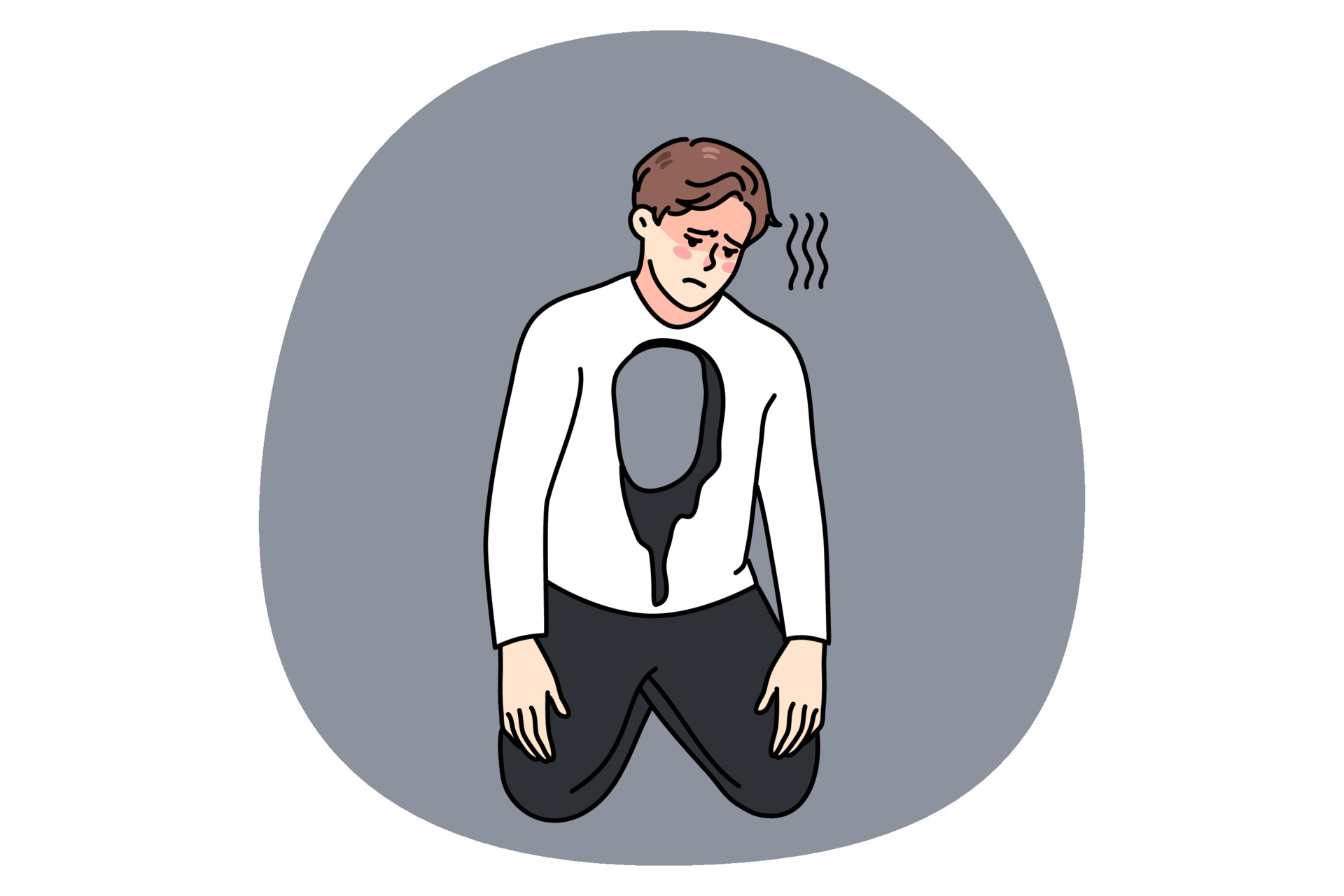
When Is Men’s Mental Health Month? Detailed Guide
When is men’s mental health month? It is one of the most searched questions in the mental health space — and yet, for millions of men and the people who love them, the answer remains unclear. This comprehensive guide from I Got U Corp answers that question directly, explains why men’s mental health awareness matters more than ever, and shows you how to take action — not just during a designated month, but every day of the year.
When Is Men’s Mental Health Month? The Direct Answer
Men’s Mental Health Month is observed every June in the United States. June is officially designated as Men’s Health Month across the country, with men’s mental health awareness being a central pillar of that observance. So when people ask “when is men’s mental health month in the USA,” the answer is clear: June, every year.
This designation was established through a Congressional health education program and is supported by organisations including the Men’s Health Network and the Movember Foundation. June was chosen to coincide with Father’s Day — a culturally significant moment when conversations about men’s wellbeing naturally come to the forefront of family and community life.
Additionally, November is internationally recognised through the Movember movement, during which millions of people worldwide grow moustaches to raise funds and awareness for men’s health issues — including prostate cancer, testicular cancer, and men’s mental health. So if someone asks about men’s mental health month November, that too carries significant weight, particularly outside the United States.
Why Is June Men’s Mental Health Month?
The choice of June for men’s health awareness — and by extension, men’s mental health awareness — was intentional and strategic. June is Men’s Health Month because it aligns with the timing of Father’s Day (the third Sunday of June), creating a natural national conversation about the men in our lives: fathers, brothers, sons, and partners.
June also precedes the summer months when many people are more socially active, making it a prime window for health screening campaigns, community events, and awareness initiatives. The Men’s Health Network has championed this month since the early 1990s, and over the decades, the focus has expanded well beyond physical health to embrace the psychological and emotional dimensions of men’s wellbeing.
Key observances during Men’s Mental Health Awareness Month in June include:
- Men’s Health Week — the week leading up to and including Father’s Day
- National Wear Blue Day — observed on the Friday before Father’s Day to show support for men’s health
- International Men’s Health Week — a globally coordinated awareness campaign
- Men’s Mental Health Day — often observed in connection with World Mental Health Day on October 10th
Men’s Mental Health Day: A Specific Date Within a Broader Movement
While June is the primary men’s health awareness month in the USA, Men’s Mental Health Day draws attention as a standalone moment of recognition. World Mental Health Day falls on October 10th each year, and within that global observance, men’s mental health receives specific focus through campaigns by organisations such as the Movember Foundation, the American Foundation for Suicide Prevention (AFSP), and the National Alliance on Mental Illness (NAMI).
I Got U Corp encourages individuals, employers, schools, and community groups to treat both June and October as active seasons for men’s mental health programming — because the scope of the crisis demands more than a single day or month of attention.
Why Is Men’s Mental Health Month Ignored? Confronting the Silence
Perhaps the most important question in this conversation is not “when is men’s mental health month” but rather: why is men’s mental health month ignored?
The answer is layered, cultural, and deeply uncomfortable. Despite decades of mental health advocacy, men continue to be dramatically underrepresented in mental health treatment — and overrepresented in suicide statistics. According to the Centers for Disease Control and Prevention (CDC), men die by suicide at nearly four times the rate of women in the United States. Yet men are significantly less likely to seek professional help, talk about their struggles, or even acknowledge that what they are experiencing is a mental health challenge.
The core reasons men’s mental health awareness fails to gain the traction it deserves include:
-
Stigma and Traditional Masculinity
Cultural messages about what it means to “be a man” — stoic, self-sufficient, emotionally controlled — actively discourage help-seeking behaviour. Boys and men are often socialised to associate emotional vulnerability with weakness, making it extraordinarily difficult to reach out, even in crisis.
-
Lack of Representation in Mental Health Campaigns
Much of the mainstream mental health awareness content features imagery, language, and narratives that resonate more strongly with women. Men’s mental health awareness has historically been treated as a subcategory of a larger conversation rather than a primary focus — which contributes to men feeling that these resources are not built for them.
-
Misdiagnosis and Underdiagnosis
Men often express depression and anxiety differently than the textbook presentations that clinicians are trained to recognise. Where women may present with sadness and withdrawal, men more commonly show irritability, aggression, substance use, and risk-taking behaviour. These presentations are frequently misread as conduct problems rather than mental health symptoms, resulting in men falling through the cracks of the healthcare system.
I Got U Corp exists precisely because of these gaps. Our mission is to ensure that every man — regardless of age, background, or circumstance — has access to the support, resources, and community he needs to navigate mental health challenges with dignity and without shame.
Women’s Mental Health Month: Understanding the Full Picture
Understanding men’s mental health awareness also means acknowledging the broader landscape of mental health observances. Women’s Mental Health Month is observed in May, which is also Mental Health Awareness Month more broadly in the USA. The month shines a light on issues including postpartum depression, eating disorders, anxiety, and the unique mental health challenges that women face across different life stages.
When is mental health month for women? May. When is men’s mental health month? June. Together, these two months create a two-month window — May and June — that represents one of the most significant periods for mental health education and advocacy in the American calendar.
Importantly, men’s mental health and women’s mental health are not competing priorities. The challenges are different, the pathways to help often differ, and the societal barriers each group faces are distinct. Recognising and honouring both is essential to building a mentally healthy society.
When Is Men’s Mental Health Month 2026? Planning Ahead
For those planning awareness campaigns, workplace initiatives, educational programmes, or community events, the schedule for men’s mental health month 2026 follows the same annual pattern: June 2026 is Men’s Mental Health Month in the USA. Key dates to anchor your planning include:
- June 1, 2026: Men’s Health Month begins
- Men’s Health Week 2026: The week leading up to and including Father’s Day (third Sunday of June)
- Father’s Day 2026: June 21, 2026 — a focal point for family-centred men’s health conversations
- National Wear Blue Day 2026: Friday, June 19, 2026
- October 10, 2026: World Mental Health Day, with men’s mental health as a key global theme
- November 2026: Movember — global men’s health and mental health fundraising month
I Got U Corp encourages organisations and individuals to begin planning well in advance, using these dates as anchors for sustained, meaningful engagement rather than one-off awareness posts.
How to Take Action: Moving from Awareness to Impact
Knowing when is men’s mental health month is only the beginning. The real work — the work I Got U Corp is committed to — is translating awareness into action. Here is how individuals, employers, and communities can make a tangible difference:
For Individuals
- Check in on the men in your life — not with “are you okay?” but with “I’ve got time if you want to talk”
- Share men’s mental health resources on social media throughout June and November
- Normalise therapy, counselling, and help-seeking in your own conversations
- Support men’s mental health charities and organisations financially or through volunteering
For Employers
- Host men’s mental health awareness workshops during Men’s Health Month in June
- Review your Employee Assistance Programme (EAP) to ensure it is accessible and stigma-free
- Create peer support networks and male-friendly mental health champions within your organisation
- Communicate openly about men’s mental health during Men’s Health Week
For Communities and Schools
- Integrate men’s mental health education into school curricula and after-school programmes
- Partner with local organisations for June awareness events
- Create safe spaces where young men can discuss emotions without fear of judgment
- Display men’s mental health helpline information in visible community spaces year-round
Frequently Asked Questions
When is men’s mental health month in the USA?
Men’s Mental Health Month in the USA is June. It is part of the broader Men’s Health Month designation, which has been congressionally supported for decades.
Is there a specific Men’s Mental Health Day?
While there is no single universally designated Men’s Mental Health Day, World Mental Health Day on October 10th includes a significant focus on men’s mental health, and many organisations hold targeted campaigns on this date specifically for men.
Why is men’s mental health month in November sometimes referenced?
November is the home of the Movember movement — an internationally recognised men’s health awareness campaign. While June is the official Men’s Health Month in the USA, November’s Movember campaign has become one of the most recognisable men’s health awareness events globally, which is why men’s mental health month November appears frequently in searches.
What is the difference between men’s mental health month and general mental health month?
Mental Health Month (May) is a broad awareness campaign covering all genders and demographics. Men’s Mental Health Month (June) is specifically focused on the unique barriers, risk factors, and challenges that men face in accessing and accepting mental health support.
I Got U Corp: Here When You Need Us
At I Got U Corp, we believe that no man should navigate mental health challenges alone. Whether you are seeking information, resources, community connection, or direct support, we are here — not just in June, not just in November, but every single day.
Men’s mental health awareness is not a calendar event. It is a commitment. And that commitment starts with one conversation, one resource, one moment of honest connection at a time.
If you or someone you know is struggling, reach out to the 988 Suicide and Crisis Lifeline by calling or texting 988 (USA). Help is available 24/7, 365 days a year.
Learn more about our programmes, resources, and community at I Got U Corp.
Recent Posts
Related Posts

What to Expect During Your First 7 Days at a Depression Center
The night before you start treatment can feel strange. Part of you is relieved that help is finally coming. Another...

How to Protect Your Mental Health Without Sacrificing Your Career
It is Sunday evening and your stomach is already tight. You are replying to emails you will see again in...

How to Find a Licensed Male Therapist in California
Plenty of people know the moment they decide they want therapy. Fewer people know what to type into the search...

How to Do the 5-4-3-2-1 Technique Silently in Class
Learn how to manage anxiety discreetly during class using the simple and effective 5-4-3-2-1 grounding technique in this article. Exclusive...
How to Set Boundaries Without Guilt: Stop People Pleasing
You said yes again. You knew while the words were leaving your mouth that you did not want to say...