

The 5 Stages of Depression Explained by Mental Health Experts
Depression is not just sadness—it’s a layered emotional, psychological, and physical experience that unfolds over time. For many people, it doesn’t arrive suddenly, nor does it leave overnight. It evolves through distinct phases that can help mental health professionals—and individuals themselves—recognize where they are in their healing process.
In clinical practice, understanding the stages of depression allows both therapist and client to chart a roadmap toward recovery. It also normalizes the ups and downs that often accompany healing. Depression isn’t linear; it’s cyclical, with moments of progress and relapse.
At I Got U Corp, our licensed clinicians believe that education is a powerful first step in healing. This guide breaks down the five stages of depression—what they look like, what they feel like, and how to cope at every level.
Understanding Depression: More Than Just Sadness
Before exploring its stages, it’s important to clarify what depression is and isn’t.
Depression is a clinical mood disorder that affects how a person thinks, feels, and behaves. It’s characterized by a persistent sense of emptiness, loss of interest in daily activities, changes in sleep or appetite, and difficulty concentrating.
According to the World Health Organization (WHO), depression affects over 300 million people worldwide—making it one of the most common mental health conditions. However, each person’s journey through depression is deeply personal.
While researchers and clinicians describe patterns that can be observed, these stages of depression are not rigid rules but rather fluid experiences that can overlap, repeat, or evolve differently for everyone.
The 5 Stages of Depression
Below, we break down each stage from a clinical and emotional perspective, alongside guidance from mental health experts on recognizing and coping with them.
| Stage | Clinical Description | Emotional State | Therapeutic Focus |
| 1. Denial & Disconnection | Early resistance to recognizing depressive symptoms | “I’m just tired” or “It’ll pass” | Awareness-building, psychoeducation |
| 2. Overwhelm & Despair | Recognition that something is wrong but feeling powerless | “I can’t handle this” | Safety planning, emotional regulation |
| 3. Acceptance & Diagnosis | Seeking help and acknowledging depression as real | “I think I need help” | Treatment planning, therapy engagement |
| 4. Active Healing | Consistent participation in therapy and self-care routines | “I’m working on it” | Behavioral activation, coping skills |
| 5. Maintenance & Growth | Sustaining recovery and managing relapses | “I know what helps me” | Lifestyle stability, relapse prevention |
Stage 1: Denial & Disconnection
In the earliest stage, depression doesn’t always feel like depression. Many people report feeling “off,” “unmotivated,” or “tired all the time.” You might chalk it up to work stress or a bad week.
Denial is often a defense mechanism. It allows the mind to protect itself from painful acknowledgment that something is wrong. Unfortunately, this stage often leads to emotional disconnection—a subtle numbness where joy feels muted and sadness feels unbearable.
Common Signs:
- Irritability or frequent frustration
- Difficulty finding pleasure in things you used to enjoy
- Overworking or isolating as a distraction
Expert Insight:
“Denial is not avoidance—it’s a coping mechanism rooted in fear. People resist labeling depression because it challenges their sense of control.” — Clinical Therapist, I Got U Corp
Coping Tip:
Start small. Keep a daily emotional log or mood journal. This helps you observe changes over time rather than judging them in the moment.
Stage 2: Overwhelm & Despair
Once denial fades, the second stage brings an intense flood of awareness. You begin to realize something deeper is wrong, and the weight of it can feel crushing.
This is often when hopelessness and helplessness set in. You may feel consumed by exhaustion or find it impossible to complete everyday tasks. The body mirrors the mind’s fatigue—sleep changes, appetite shifts, and physical pain may emerge.
Common Signs:
- Sleep disturbances (insomnia or oversleeping)
- Persistent fatigue and lack of focus
- Thoughts like “I can’t do this anymore”
Therapeutic Focus:
At this point, professional support becomes crucial. Therapists help create safety—both emotional and physical—while introducing basic coping tools like grounding exercises and structured daily routines.
If you or someone you know is experiencing thoughts of self-harm, seek immediate support through emergency services or a crisis hotline.
Coping Tip:
Break large tasks into micro-steps. If “clean the room” feels impossible, start with “fold one shirt.” Progress, not perfection, is the goal.
Stage 3: Acceptance & Diagnosis
Reaching this stage is both difficult and empowering. Acceptance doesn’t mean giving up—it means acknowledging depression as a legitimate condition that requires care.
This is often when individuals reach out for professional help, receive a diagnosis, and begin structured treatment. While confronting the label of “depression” can be painful, it also marks the beginning of healing.
Common Signs:
- Willingness to discuss your emotions
- Openness to therapy or medication
- Feeling validation when symptoms are named
Therapeutic Focus:
A clinician will typically introduce a treatment plan that may include:
- Cognitive Behavioral Therapy (CBT) to challenge negative thought patterns
- Mindfulness-based practices to increase emotional regulation
- Medication support, if recommended by a psychiatrist
At this point, many clients are referred to or supported through Depression Treatment Centers like those offered at I Got U Corp, where multidisciplinary care provides both safety and structure.
Expert Note:
“Naming depression is liberating—it transforms an invisible struggle into something treatable.”
Coping Tip:
Practice self-compassion. Remind yourself that needing help doesn’t make you weak; it means you’re human.
Stage 4: Active Healing
This stage involves consistent therapeutic engagement and lifestyle restructuring. You begin to see the connection between your thoughts, emotions, and behaviors—and slowly, light returns.
However, recovery is not linear. There will be good days and difficult ones. The key is resilience—staying committed even when motivation dips.
Common Signs:
- Improvement in mood stability
- Return of interest in hobbies or relationships
- More realistic and hopeful thinking patterns
Therapeutic Focus:
This is where techniques like behavioral activation, journaling, exercise therapy, and structured self-care come into play.
At I Got U Corp, therapists often combine evidence-based methods with human connection—emphasizing that emotional healing thrives when patients feel understood, not just treated.
Coping Tip:
Create a “wellness map”—a personalized toolkit of activities, affirmations, and support contacts you can turn to when feeling low.
| Wellness Map Example | Purpose |
| Deep breathing for 5 mins | Calm nervous system |
| Call a friend | Emotional support |
| Go for a walk | Grounding & movement |
| Write a gratitude list | Shift mental focus |
Stage 5: Maintenance & Growth
In the final stage, the focus shifts from recovery to sustainability. You’ve gained insight into your depression triggers and learned how to manage them effectively.
Maintenance is not the absence of depression—it’s the ability to live meaningfully with emotional awareness and coping tools.
Common Signs:
- Recognizing early signs of relapse
- Maintaining healthy routines and boundaries
- Experiencing gratitude and deeper self-awareness
Therapeutic Focus:
This phase emphasizes relapse prevention, ongoing therapy, and lifestyle integration. You learn to maintain your mental health the same way you maintain physical wellness—through regular attention and care.
Expert Insight:
“Healing doesn’t erase pain—it builds the capacity to carry it with grace.”
Coping Tip:
Continue therapy check-ins, even after improvement. Depression can resurface under stress, and consistent support keeps you grounded.
Common Myths About the Stages of Depression
| Myth | Reality |
| Depression has a clear start and end. | It’s cyclical and may recur. Recovery takes time. |
| Strong people don’t get depressed. | Depression affects everyone, regardless of strength. |
| Medication means you’re weak. | Medication can be a vital part of healing. |
| If symptoms fade, therapy is no longer needed. | Ongoing maintenance therapy helps sustain wellness. |
When to Seek Professional Help?
If your symptoms persist for more than two weeks or interfere with your daily life, it’s time to seek help.
Reach out if you experience:
- Persistent sadness, emptiness, or hopelessness
- Changes in appetite or sleep patterns
- Loss of interest in activities you once enjoyed
- Difficulty concentrating or making decisions
- Thoughts of death or self-harm
Therapy provides a structured path toward healing, guided by licensed professionals who understand the complexity of depression.
Take the first step today with Depression Treatment Centers at IGotU Corp—where compassionate, evidence-based care helps you move from pain toward purpose.
FAQs About Depression
Q: Can you move back and forth between stages of depression?
Yes. Healing is not linear. You might revisit earlier stages during stressful life events, but awareness makes transitions easier to manage.
Q: Are the five stages the same as the “five stages of grief”?
Not exactly. While both involve emotional processing, depression stages focus more on the interplay between mood, cognition, and coping mechanisms.
Q: Can depression go away without treatment?
Some mild cases may improve with lifestyle changes, but moderate to severe depression usually requires professional intervention.
Q: Is it possible to live a fulfilling life with depression?
Absolutely. Many people manage depression successfully with therapy, medication, and strong support networks.
Q: How long does each stage last?
There’s no fixed duration—it varies by individual. What matters is recognizing where you are and continuing the healing process.
A Final Word: Healing Is Not a Race
Depression doesn’t define you—it reveals the depth of your humanity. Whether you’re in denial, despair, or active recovery, each stage represents movement toward awareness and resilience.
Healing begins the moment you decide to seek understanding—and continues as you choose compassion over shame, and progress over perfection.
At I Got U Corp, we’re here to walk with you through every stage. Our therapists offer personalized, evidence-based care to help you rediscover hope, one session at a time.
Contact Information – I Got U Corp
- igotucorp.com
- 9431 Haven Ave suite 100-151, Rancho Cucamonga, CA 91730, United States
- +1 909-325-7949
- Noworries@igotucorp.com
- Services: Individual Therapy, Depression Treatment Centers, Online Counseling, Trauma & Anxiety Therapy, Emotional Wellness Programs
Recent Posts
Related Posts
How to Set Boundaries Without Guilt: Stop People Pleasing
You said yes again. You knew while the words were leaving your mouth that you did not want to say...
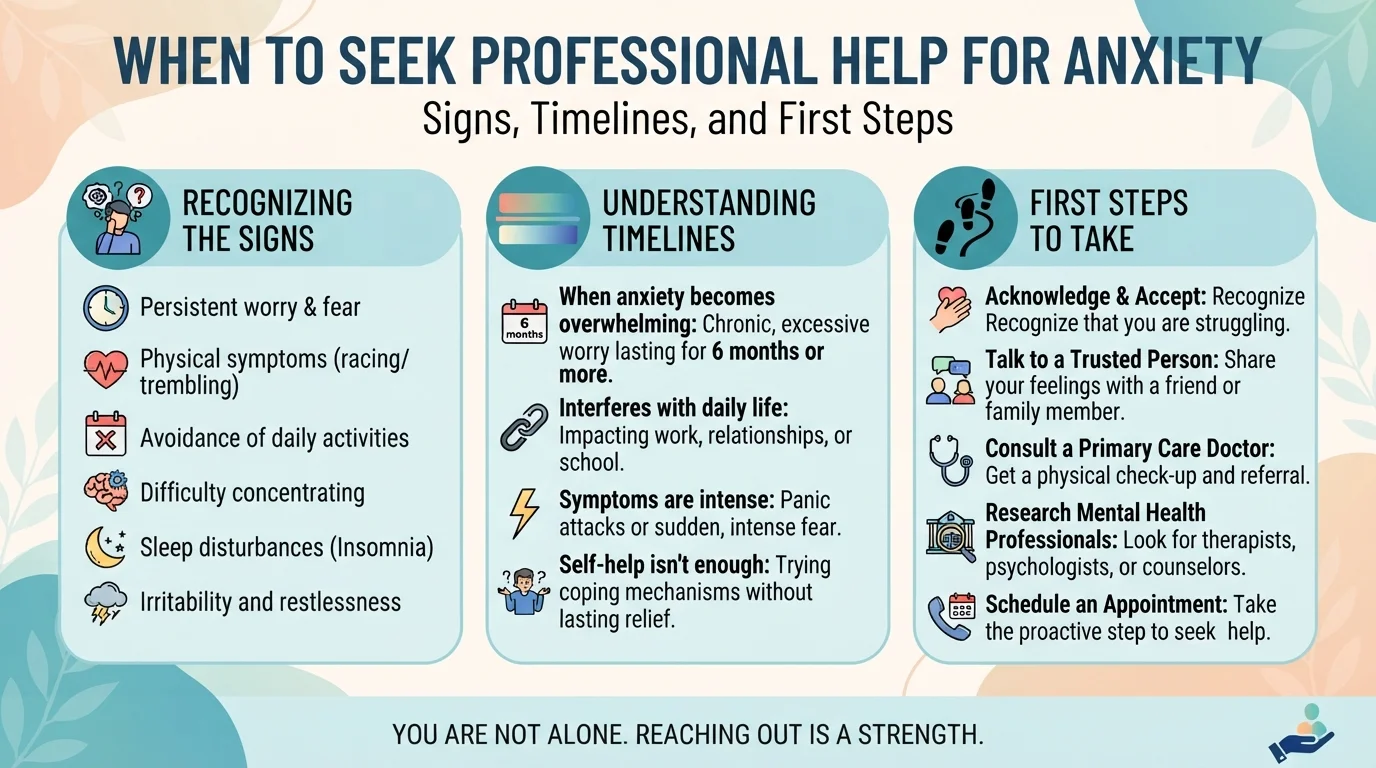
When to Seek Professional Help for Anxiety: Signs, Timelines, and First Steps
Anxiety (anxious distress) is the body's alarm response to a perceived threat, marked by worry, muscle tension, and a faster...
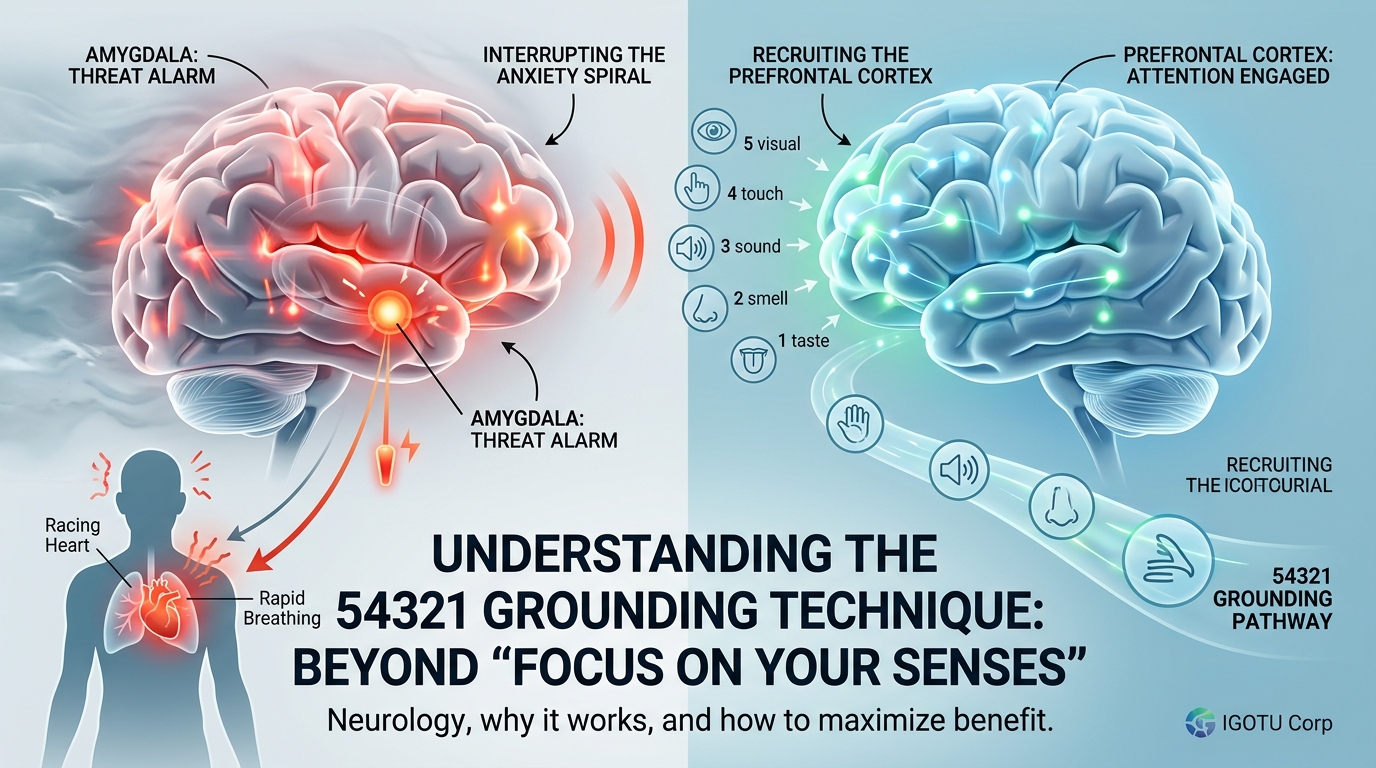
What Is the 54321 Grounding Technique? How Does It Actually Work?
If you have ever looked up what to do during a panic attack, an anxiety spiral, or a moment of...
Can Stress Alone Cause Panic Disorder? IGOTU Corp Guide
The Question That Arrives After the First Attack You were not doing anything dramatic. You were not in danger. You...
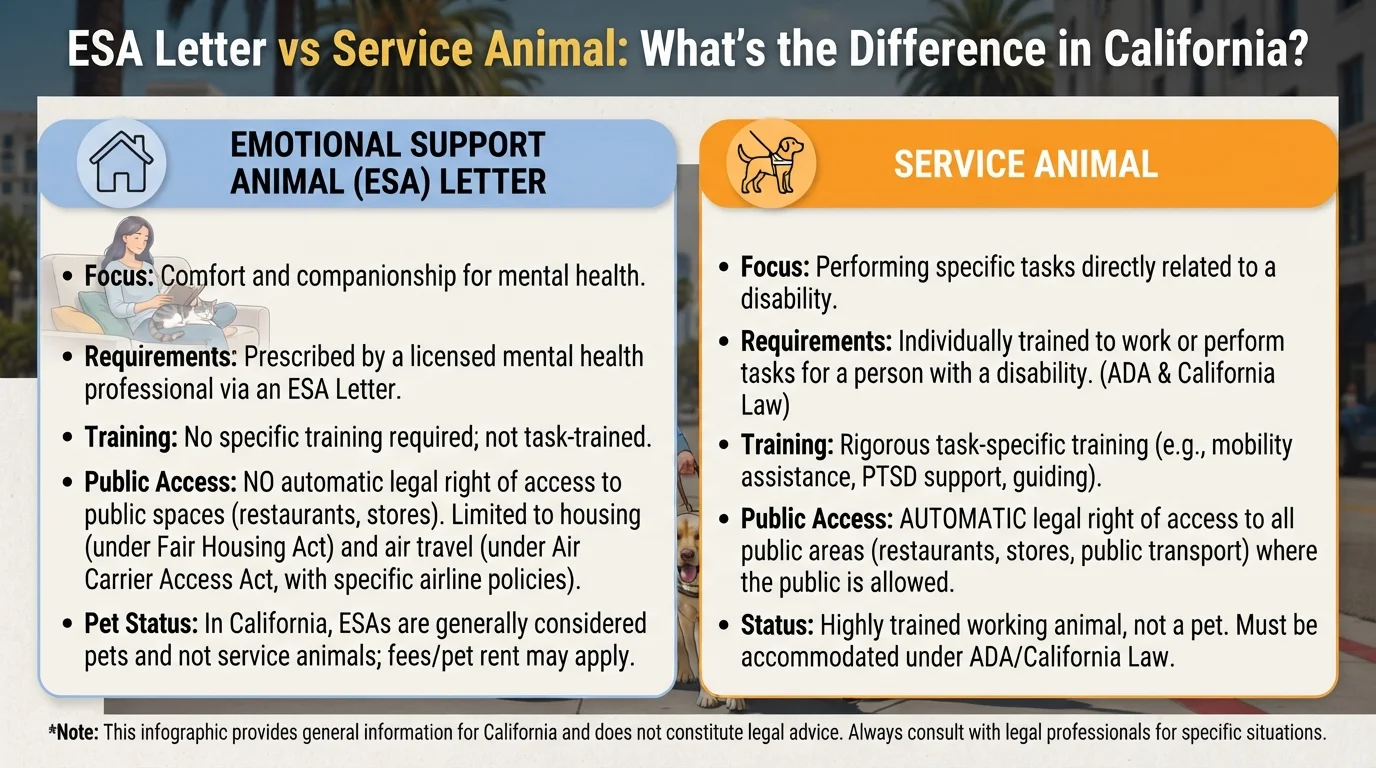
ESA Letter vs Service Animal: What’s the Difference in California?
An ESA letter and a service animal are not the same thing under California or federal law, and confusing the...