
ESA Letter vs Service Animal: What’s the Difference in California?
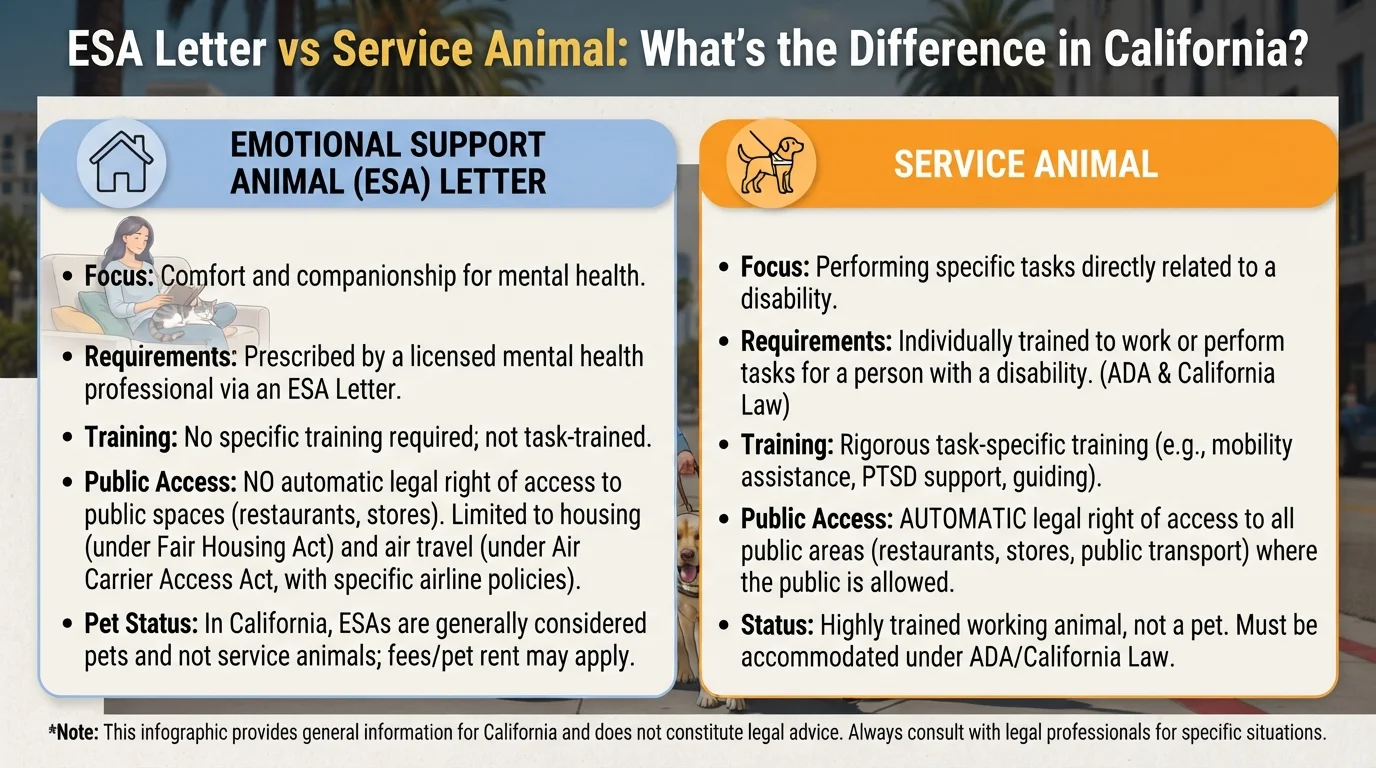
An ESA letter and a service animal are not the same thing under California or federal law, and confusing the two can cost you access rights, housing protections, or even a legal penalty. A service animal is a dog individually trained to perform a specific task for a person with a disability, and it’s protected under the Americans with Disabilities Act (ADA), which grants it public access almost everywhere. An emotional support animal (ESA) requires no specialized training and is recognized instead under the Fair Housing Act (FHA), which covers housing only, not restaurants, stores, or other public spaces. California’s AB 468 made this distinction even sharper in 2024, adding real penalties for anyone who misrepresents one as the other. This guide breaks down exactly where the two overlap, where they don’t, and how to avoid the mistake that trips up most pet owners in California.
The Core Difference: Training and Legal Category
A service animal, almost always a dog, is trained to perform a specific task tied to a person’s disability: guiding someone who is blind, alerting to a medical event, interrupting a panic attack, or retrieving items for someone with limited mobility. That training is what makes it a service animal under the ADA, not the disability itself and not the comfort it provides.
An ESA, by contrast, doesn’t perform a trained task. Its value comes from presence alone, easing symptoms of conditions like anxiety, depression, or PTSD simply by being there. Almost any domesticated animal can qualify as an ESA if a licensed mental health professional (LMHP) determines it supports your treatment, while service animal status is generally limited to dogs (and in narrow cases, miniature horses) under federal law.
Which Law Protects Each One
This is where the practical difference shows up.
Service animals fall under the ADA, which grants them access to nearly all public spaces, restaurants, stores, hotels, and workplaces, and businesses can only ask two questions: whether the animal is required because of a disability, and what task it’s trained to perform.
ESAs fall under the FHA, which only covers housing. A valid ESA letter lets you keep your animal in housing with a no-pet policy, without paying pet rent or a pet deposit, but it does not grant entry into restaurants, retail stores, or most workplaces. Businesses are legally allowed to turn away an ESA the same way they’d turn away any other pet.
What Changed with Air Travel
Airlines used to be required to accommodate ESAs the same as service animals. That ended when the Department of Transportation narrowed its service-animal definition to task-trained dogs only. Since then, most major US carriers only guarantee cabin access for trained psychiatric service dogs, not ESAs, and any airline still accepting ESAs sets its own documentation rules. If travel is your main reason for wanting a letter, check your specific airline’s current policy first, since this is one of the areas where the two categories used to overlap and no longer do.
California’s AB 468: Why the Distinction Now Carries Real Consequences
California tightened this further with Assembly Bill 468, which targets businesses and individuals who blur the line between ESAs and service animals. Under the law, any business selling ESA vests, ID cards, or certificates has to include a written notice clarifying that the animal does not have service-animal status. Misrepresenting a pet as a service animal to gain public access it isn’t legally entitled to can result in real fines.
The law also tightened the process on the ESA letter side. LMHPs issuing ESA letters must establish a genuine clinical relationship, generally at least three appointments spread across 31 or more days, before signing off. That requirement exists specifically because so many people were treating a same-day ESA letter as equivalent to service-animal certification, which it has never been.
How to Tell Which One You Actually Need
Ask yourself what you’re trying to solve for.
- If you need an animal to perform a specific trained task tied to a diagnosed disability and access public spaces with it, you likely need a service animal, not an ESA letter
- If your goal is keeping a comfort animal in no-pet housing without extra fees, an ESA letter from a licensed California LMHP is the right document
- If you want your animal with you in stores, restaurants, or on public transit, an ESA letter won’t get you there. Only a trained service animal qualifies under the ADA
- If you’re unsure whether your animal’s role counts as a “trained task” versus “comfort,” that distinction usually determines which category applies, and it’s worth discussing directly with a licensed clinician rather than guessing
Can an Animal Be Both?
Not in the way people often assume. A dog can be trained as a psychiatric service dog (PSD), which performs specific trained tasks related to a mental health condition and does carry ADA protections, unlike a standard ESA. That’s a meaningfully different, more involved process than getting an ESA letter, since it requires actual task training, not just a clinical evaluation. Simply having an ESA letter does not upgrade an animal to service-animal status no matter how well-trained it happens to be informally.
Frequently Asked Questions
Can I use my ESA letter to bring my dog into a restaurant?
No. ESA letters only apply to housing protections under the FHA. Restaurants, stores, and other public businesses in California can legally deny entry to an ESA.
Is an ESA letter the same as a service animal certification?
No. There’s no such thing as an official “service animal certification” under the ADA. Service animal status comes from the animal’s task training, not a letter, while an ESA letter is issued by a licensed mental health professional and only covers housing rights.
Do service animals need an ESA letter?
No. Service animals don’t require any letter or documentation under the ADA. Businesses can only ask if the animal is required for a disability and what task it performs.
Can my emotional support animal fly with me for free like a service dog?
Not anymore. Since the DOT’s rule change, only trained psychiatric service dogs are guaranteed free cabin accommodation. ESAs are treated like standard pets by most airlines now.
What happens if I falsely claim my ESA is a service animal?
Under California’s AB 468, misrepresenting an ESA as a service animal to gain public access can result in real financial penalties, separate from any consequences under federal law.
Do landlords treat ESAs and service animals differently?
Not much, in practice. Both are generally entitled to reasonable accommodation in no-pet housing, but a landlord can request documentation for an ESA (the letter), while a service animal typically requires none.
Summary
The difference between an ESA and a service animal comes down to training and the law behind it. Service animals are task-trained and protected under the ADA with broad public access. ESAs require no training, are protected only under the Fair Housing Act, and cover housing, not public spaces or (since the DOT’s rule change) air travel. California’s AB 468 makes this distinction legally significant, adding real penalties for misrepresenting one as the other and tightening the clinical relationship required before an LMHP can issue a valid ESA letter. If you’re unsure which category fits your situation, that’s a conversation worth having directly with a licensed mental health professional before you assume either document does more than it legally does.
Recent Posts
Related Posts

How to Set Boundaries Without Guilt: Stop People Pleasing
You said yes again. You knew while the words were leaving your mouth that you did not want to say...
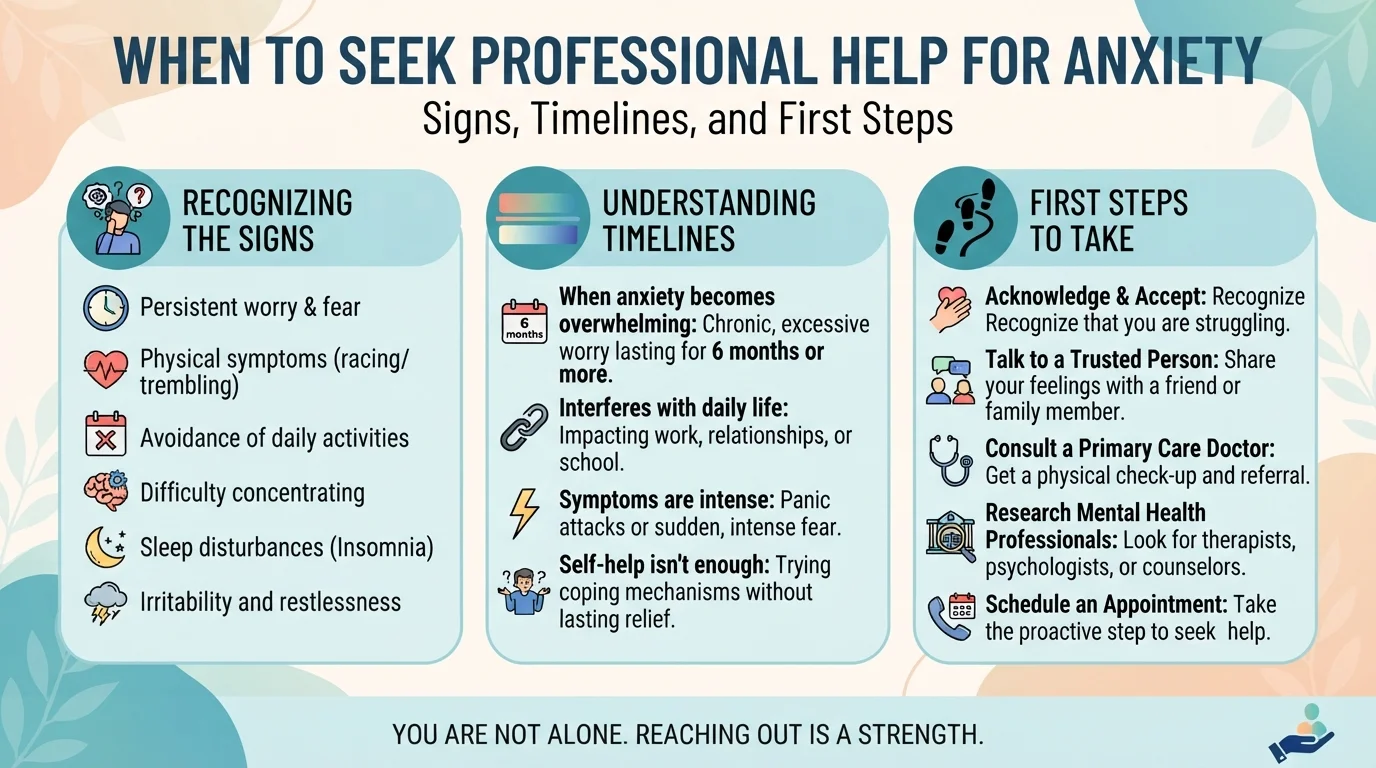
When to Seek Professional Help for Anxiety: Signs, Timelines, and First Steps
Anxiety (anxious distress) is the body's alarm response to a perceived threat, marked by worry, muscle tension, and a faster...
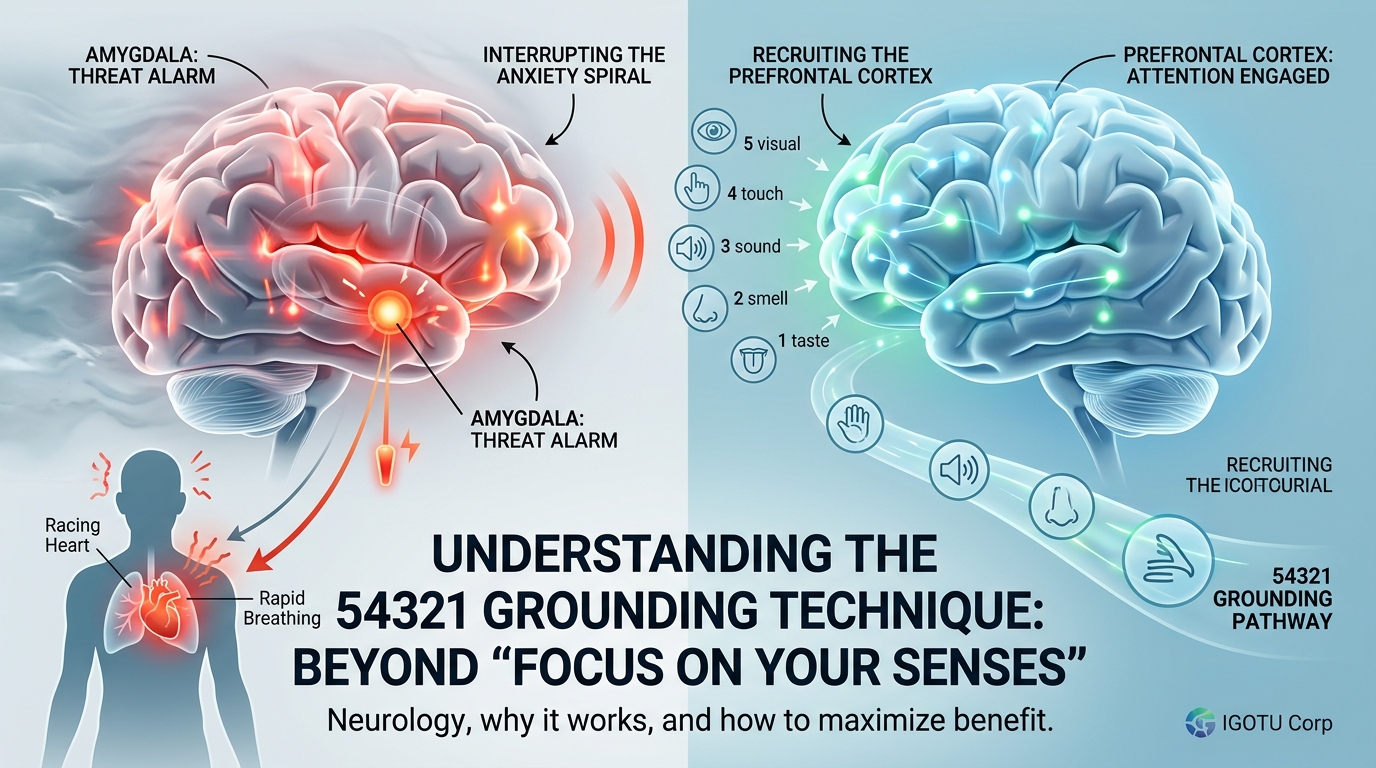
What Is the 54321 Grounding Technique? How Does It Actually Work?
If you have ever looked up what to do during a panic attack, an anxiety spiral, or a moment of...
Can Stress Alone Cause Panic Disorder? IGOTU Corp Guide
The Question That Arrives After the First Attack You were not doing anything dramatic. You were not in danger. You...
ESA Letter vs Service Animal: What’s the Difference in California?
An ESA letter and a service animal are not the same thing under California or federal law, and confusing the...