
5 Signs It Might Be Time to See a Trauma Therapist
You’ve likely told yourself the same story a dozen times: “It wasn’t even that bad,” or “Other people have been through much worse.” You push through the exhaustion, brush off the sudden bursts of irritability, and keep moving because that’s what we’re taught to do. But lately, the weight you are carrying feels less like a backpack and more like an anchor.
Trauma doesn’t always look like a cinematic flashback; often, it lives in the quiet ways your nervous system stays on “high alert.” If you’re ready to stop just surviving and start truly healing, IGOTU Corp offers the best trauma therapists in California. Whether through telehealth or in-person sessions, our expert team is dedicated to helping you regain control and build a life that feels safe again.
Please note that trauma lives in the spaces we often overlook. The way your heart races for no reason, the sudden urge to withdraw from people you love, or the feeling that you’re constantly “bracing” for a blow that never comes. It’s not about what is “wrong” with you; it’s about how your body has learned to protect you.
If you feel like you are surviving your life rather than living it, your body might be trying to tell you something. You must hear it. Here are five signs that it might be time to stop carrying that weight alone and take professional help from licensed trauma therapists to find your way back to yourself.
1. You’re Going Out of Your Way to Avoid Reminders
Here’s the thing about avoidance: it feels like you’re protecting yourself, but it can actually keep you stuck. If you find yourself constantly rearranging your life to dodge anything that reminds you of what happened, that’s a pretty clear sign your brain needs some help processing things.
What does avoidance actually look like? Maybe you’re taking the long route to work to avoid a certain street. Perhaps you’ve stopped seeing friends who were around during that time. You might find yourself changing the subject whenever certain topics come up, or you’ve started avoiding entire situations, places, or even people who remind you of the trauma.
Some people make really big changes, like switching jobs, ending relationships, or moving cities. Note that all to escape those reminders. And look, sometimes a fresh start is healthy. But if you’re running from triggers rather than moving toward something better, that’s worth paying attention to.
Research backs this up too. Avoidance is actually one of the hallmark symptoms of PTSD. The problem is that the more you avoid, the smaller your world gets. An in-person or online trauma therapist can help you gradually face these situations in a way that feels manageable, and more importantly, teach you that you can handle your reactions to these reminders.
2. The Past Keeps Showing Up Uninvited
You know that feeling when a memory just pops into your head without warning? Or worse, when you’re suddenly back there, feeling like it’s happening all over again? That’s what we’re talking about here.
These uninvited guests might show up as intrusive thoughts that you can’t seem to shake, flashbacks that feel incredibly real, nightmares that jolt you awake, or even physical reactions like your heart racing or breaking into a sweat when something reminds you of the trauma.
According to the National Institute of Mental Health, pretty much anything can trigger these symptoms, such as, a smell, a sound, a word, even a feeling. Your nervous system is essentially stuck in alarm mode, still believing you’re in danger even when you’re completely safe right now.
The good news? Therapies like Prolonged Exposure and Cognitive behaviour Therapy have been shown in research to really help with this. A professional trauma therapist can work with you to process these memories so they lose their grip on you. It’s not about forgetting—it’s about remembering without feeling like you’re drowning.
3. Your Relationships Are Taking a Hit
Trauma has this sneaky way of messing with how we connect with other people, even the ones we care about most. If you’re noticing that your relationships feel harder than they used to, trauma might be playing a role.
This can show up in so many ways. Maybe you have a hard time trusting people, even though logically you know they haven’t given you a reason not to trust them. You might find yourself pushing people away or feeling emotionally numb around your partner or friends. Sometimes it’s the opposite—you might be dealing with intense mood swings that are putting strain on your connections.
People with complex PTSD often struggle with maintaining close relationships, and it’s not because they don’t want connection. It’s because trauma can make vulnerability feel terrifying, and it can change how you see yourself and others.
Your partner might say they feel like they can’t reach you. Your friends might be confused about why you’ve become distant. And you might feel incredibly lonely even when you’re surrounded by people. These are all signs that trauma is getting in the way of what you actually want: genuine connection.
The research shows that PTSD symptoms can create real problems with trust, communication, and closeness. But here’s the hopeful part: a trauma therapist can help you understand how trauma is affecting your relationships and teach you healthier ways to connect.
4. Your Emotions Feel Like They’re Running the Show
Have you ever felt like your emotions have a mind of their own? One minute you’re fine, and the next you’re inexplicably angry or overwhelmed or completely shut down? That’s emotional dysregulation, and it’s a really common response to unresolved trauma.
It might look like sudden mood swings that seem to come out of nowhere, reactions that feel way bigger than the situation calls for, or bouncing between feeling totally numb and feeling absolutely flooded with emotion. You might be dealing with persistent anxiety, depression, guilt, or shame. Or maybe anger keeps bubbling up in ways that surprise even you.
For people with complex PTSD, these emotional rollercoasters can feel particularly intense. Something small can trigger overwhelming feelings of fear, shame, or rage. And then you might feel guilty about having such strong reactions, which just adds another layer to deal with.
Here’s what’s important to understand: this isn’t about you being “too emotional” or “overreacting.” Your brain learned to respond this way as a survival mechanism. The problem is that what helped you survive then is now making it harder to live fully now.
Evidence-based treatments like Cognitive Processing Therapy, Prolonged Exposure, and EMDR have shown real success in helping people regain their emotional footing. A trauma therapist can give you practical tools to understand and manage these intense feelings.
5. It’s Messing With Your Daily Life
This is the big one. When trauma symptoms start interfering with your ability to just live your life, that’s a clear signal that you need support.
What does interference look like? Maybe you’re having trouble concentrating at work, and your performance is slipping. Your sleep might be a mess—trouble falling asleep, staying asleep, or actually feeling rested even when you do sleep. You might notice changes in your appetite or eating habits, or that you’re withdrawing from hobbies and activities that used to bring you joy.
Some people develop physical symptoms like headaches, stomach issues, or chronic pain. Others find themselves reaching for alcohol or other substances to cope with the feelings. Maybe you’re struggling to keep your job, or your grades have dropped, or you’re calling in sick more often than you used to.
To be diagnosed with PTSD, symptoms need to last more than a month and significantly mess with your daily functioning. Complex PTSD can touch pretty much every area of your life, making it hard to engage fully in your responsibilities and activities.
When trauma starts affecting your work, your health, your relationships, and your overall quality of life, that’s when seeking professional help becomes really important. You deserve to function well and feel like yourself again.
Taking That First Step
If you’re reading this and thinking “that sounds like me,” it might be time to consider talking to a trauma therapist. And let’s be clear about something: reaching out for help isn’t weakness. It’s actually one of the strongest things you can do.
The research is really encouraging here. Studies consistently show that trauma-focused therapy works. Like, really works. The average person who goes through evidence-based trauma treatment does significantly better than those who try to tough it out alone. Most people need somewhere between 12 to 16 weekly sessions, though everyone’s journey is different.
At IGOTU Corp, we’ve seen that transformation firsthand. We specialize in the exact evidence-based care the research points to, providing a safe space to move through those 12 to 16 weeks at your own pace. You’ve done enough of the heavy lifting on your own. Let us handle the rest.
Book Session with Expert Trauma Therapist | Vincente Mozell
To conclude, trauma doesn’t have to be your life sentence. Healing is genuinely possible with the right support. If any of these signs resonate with you, consider reaching out to a mental health professional who specializes in trauma. Many offer free consultation calls where you can ask questions and get a feel for whether they’re a good fit.
You deserve to feel safe in your own skin. You deserve to have relationships that feel good. You deserve to sleep through the night and wake up without that knot in your stomach. Taking the first step toward trauma therapy might feel scary, but it can also be the beginning of getting your life back.
Just know that the hardest part is usually just the first hour. At IGOTU Corp, our trauma specialists focus on building that initial bridge of safety so you don’t have to carry the weight by yourself. If you’re ready to stop “toughing it out” and start healing, we’re ready to listen. Book your FREE Consultation NOW!
Recent Posts
Related Posts
How to Set Boundaries Without Guilt: Stop People Pleasing
You said yes again. You knew while the words were leaving your mouth that you did not want to say...
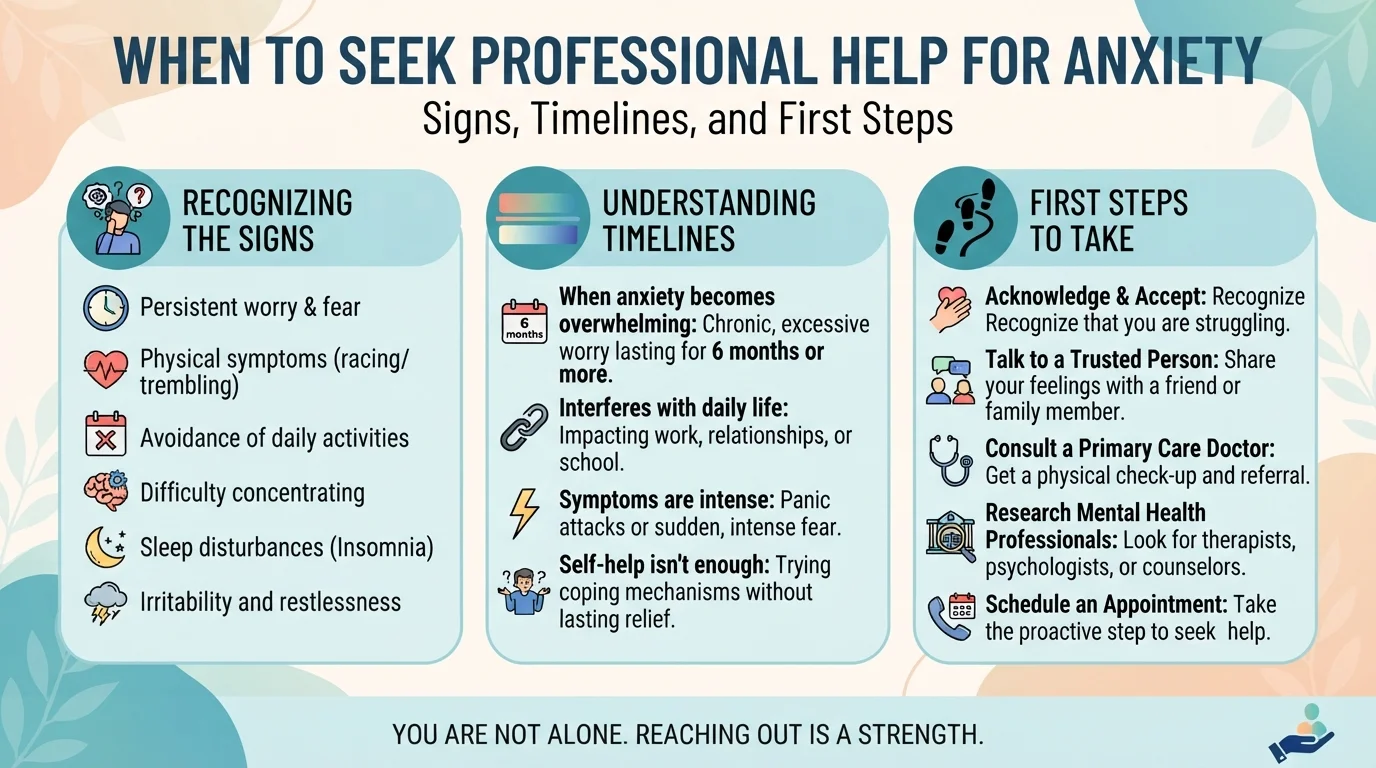
When to Seek Professional Help for Anxiety: Signs, Timelines, and First Steps
Anxiety (anxious distress) is the body's alarm response to a perceived threat, marked by worry, muscle tension, and a faster...
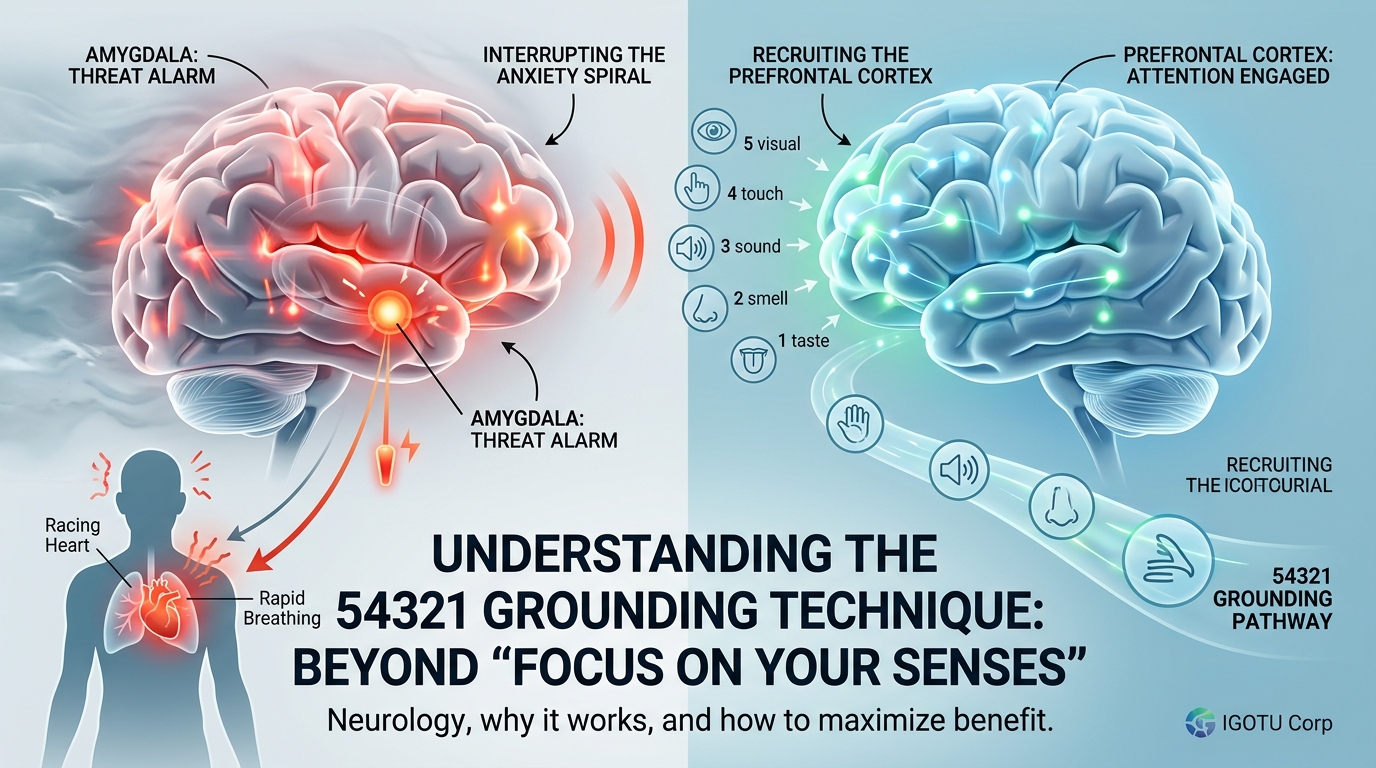
What Is the 54321 Grounding Technique? How Does It Actually Work?
If you have ever looked up what to do during a panic attack, an anxiety spiral, or a moment of...
Can Stress Alone Cause Panic Disorder? IGOTU Corp Guide
The Question That Arrives After the First Attack You were not doing anything dramatic. You were not in danger. You...
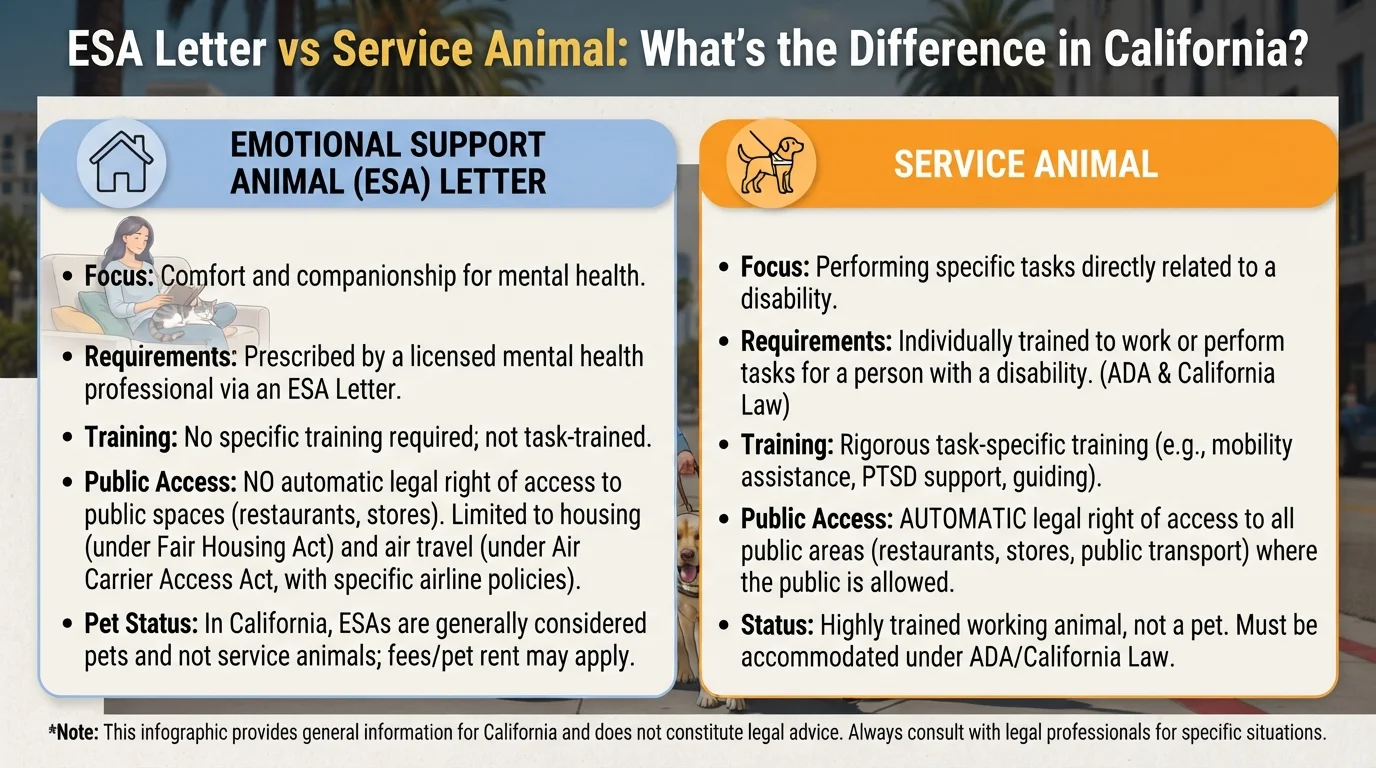
ESA Letter vs Service Animal: What’s the Difference in California?
An ESA letter and a service animal are not the same thing under California or federal law, and confusing the...