

Powerful Tips for Selecting a Trusted Counselor in California
Mental health matters—now more than ever—especially for adults in California. Between February 1 and 13, 2023, approximately 31.7% of Californians reported symptoms of anxiety or depressive disorders, closely mirroring the national average. Despite this growing need, access to mental health care remains uneven. A 2022 state survey found that nearly one-third of California residents live in areas with an insufficient ratio of providers to patients, particularly in rural counties.
In this landscape, professional mental health support from a Licensed Mental Health Counselor (LMHC), LCSW, or similarly qualified licensed therapist can be transformative—whether you’re seeking a depression therapist, stress management, or anxiety relief.
This guide aims to educate California adults on the counselor’s role, licensing differences, and effective steps to find the right support tailored to their mental health needs.
What is an LMHC?
A mental health counselor is a master’s-level professional trained to provide therapy to individuals and groups, helping with issues such as depression, anxiety, stress, relationship challenges, substance concerns, grief, and more. If you are searching for a Licensed Therapist in California, you will often see these professionals listed as Licensed Mental Health Counselors (LMHCs) or Licensed Professional Counselors (LPCs/LPCCs)—titles determined by state law and counseling boards.
An LCSW (Licensed Clinical Social Worker) holds a master’s in social work and, in addition to providing therapy, may offer case management services and resource navigation—especially valuable if you need support beyond talk therapy Verywell MindSELF.
Other related titles in California include LPCC (Licensed Professional Clinical Counselor) and LMFT (Licensed Marriage and Family Therapist). Each differs slightly in training and focus—LPCCs and LMHCs lean toward individual psychotherapy, while LMFTs specialize in couples and family dynamics.
Licensing in California: Requirements & Pathways
To become an LMHC or LPCC in California, candidates must:
- Earn a master’s degree from a BBS-approved or CACREP-accredited program.
- Complete 3,000 hours of supervised clinical experience.
- Pass required exams, including national counseling exams and California’s Law & Ethics assessments.
For LCSWs, the pathway includes:
- A Master of Social Work (MSW) degree.
- 3,000 supervised hours as an ASW (Associate Social Worker).
- A fingerprinting and background check.
- Passing both the Law & Ethics and ASWB Clinical exams
In 2025, LCSW exam prep should focus on core clinical areas, including assessment, diagnosis, and evidence-based interventions—resources like Pocket Prep can help
Understanding the LPCC vs. LCSW distinction is key: LPCCs center on counseling strategies, while LCSWs combine therapy with social service navigation and broader systemic advocacy.
Why Choose a Licensed Counselor for Stress, Anxiety, or Depression?
Licensed counselors apply proven, evidence-based therapies—like CBT, DBT, and trauma-focused approaches—to help you cope with emotional distress and improve your quality of life. The strength of your therapeutic relationship, also known as the therapeutic alliance, is often more predictive of success than title or credentials alone.
If you’re specifically seeking a depression therapist, an LMHC or LCSW offers specialized, compassionate care with professional ethics and confidentiality. For example, professionals like Vincente Mozell, LCSW, in Rancho Cucamonga deliver a blend of clinical expertise and local understanding.
What to Look for in an LMHC or LCSW
Here’s your step-by-step guide:
- Verify Credentials: Use the California BBS to confirm licensure type—e.g., LMHC, LCSW, LPCC.
- Check Specialization & Experience: Look for therapists experienced with anxiety, depression, or stress.
- Modality Preferences: Determine if you prefer in-person sessions or online therapy, offered by providers like IGotU.
- Local Relevance: Consider location—urban areas like LA have more options, while rural zones may require virtual care
- Initial Fit: Book consultations, assess rapport, and don’t hesitate to switch if the fit isn’t right Verywell Mind.
The goal? Find a therapist who feels trustworthy, validated, and skilled.
VII. Local California Context & Data
California is facing a critical mental health provider shortage: as of April 2025, the state is missing about a third of its needed licensed therapists and psychiatrists. The shortage is “major and ongoing,” especially in rural counties like Amador, where residents can wait years to access therapy.
Despite challenges, initiatives like MHSA funding, training pipeline investments, and virtual care expansion are underway to boost access.
Action & Resources
Take action today:
- Visit the California BBS website to verify licensure.
- Use directories like Psychology Today or platforms like IGotU to find licensed professionals offering in-person or virtual sessions.
- Download our “Top 5 Questions to Ask a Prospective Therapist” checklist to guide your search.
Prioritize your mental health—booking your first consultation is the strongest step toward well-being.
Conclusion
A Right Licensed Mental Health Counselor can offer compassionate, evidence-based support for anxiety, depression, and stress. Knowing how to choose one—whether LMHC or LCSW—and understanding California’s landscape empowers you to make informed, confident decisions. Remember: You don’t have to go through this alone—professional help is available across California.
What does a Licensed Mental Health Counselor (LMHC) do in California?
A Licensed Mental Health Counselor provides professional therapy to individuals, couples, and groups to address mental health challenges such as anxiety, depression, trauma, and stress. In California, they use evidence-based approaches to help clients improve emotional well-being and cope with life’s challenges.
- How is an LMHC different from an LCSW or a licensed therapist?
An LMHC typically holds a master’s degree in counseling and focuses on therapeutic techniques for mental health issues. An LCSW (Licensed Clinical Social Worker) has specialized training in both therapy and connecting clients to community resources. A licensed therapist is a broader term that can include LMHCs, LCSWs, and psychologists. - How much does it cost to see a Licensed Mental Health Counselor in California?
The cost varies depending on the counselor’s location, experience, and specialization. On average, sessions in California can range from $100 to $200 per hour, though some offer sliding scale fees or accept insurance. - How do I know if a Licensed Mental Health Counselor is the right fit for me?
Look for a counselor whose approach, personality, and communication style make you feel comfortable and supported. Many counselors offer a free initial consultation so you can ask about their experience, specialties, and treatment methods. - Can an LMHC help with both short-term stress and long-term mental health issues?
Yes. LMHCs are trained to help with a wide range of concerns—from short-term stress due to life changes to long-term conditions such as chronic anxiety, depression, or PTSD. They tailor treatment to your unique needs and goals.
Recent Posts
Related Posts
How to Set Boundaries Without Guilt: Stop People Pleasing
You said yes again. You knew while the words were leaving your mouth that you did not want to say...
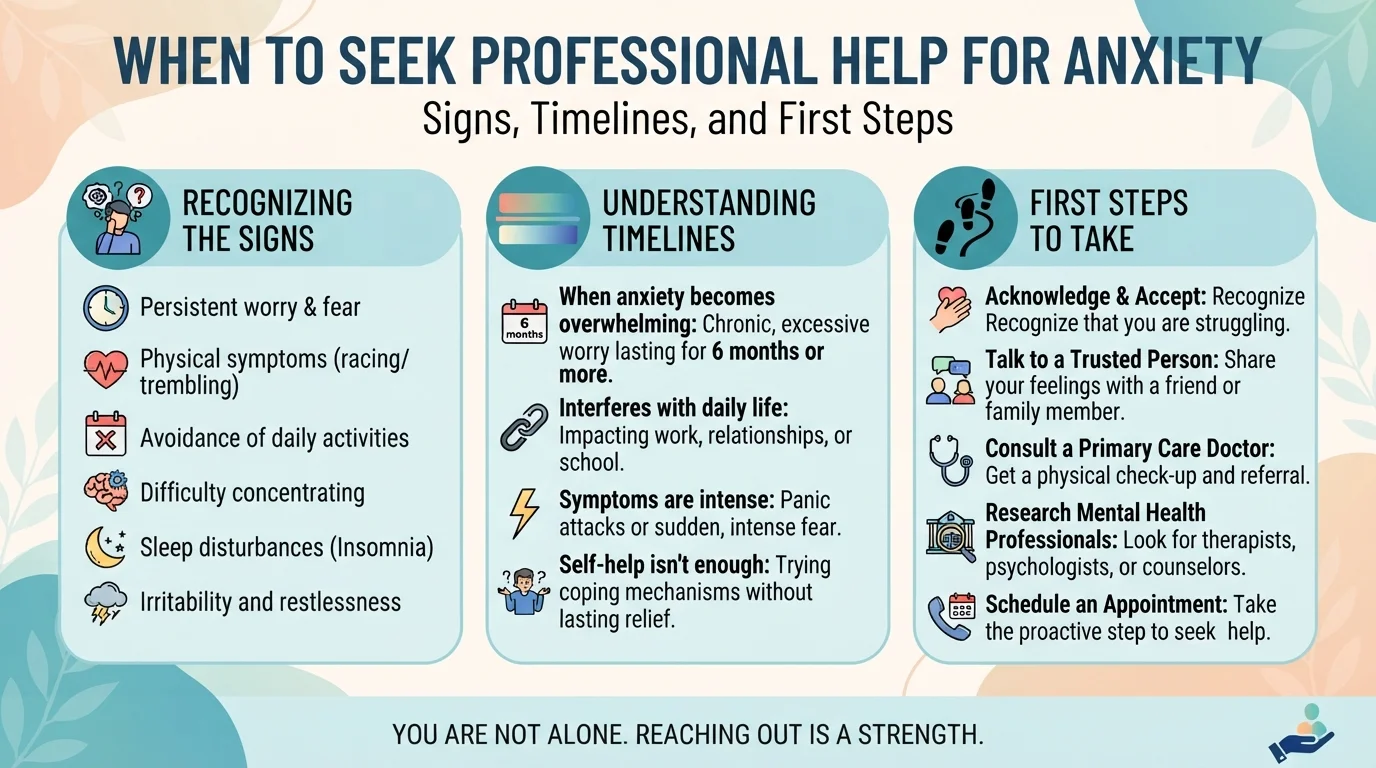
When to Seek Professional Help for Anxiety: Signs, Timelines, and First Steps
Anxiety (anxious distress) is the body's alarm response to a perceived threat, marked by worry, muscle tension, and a faster...
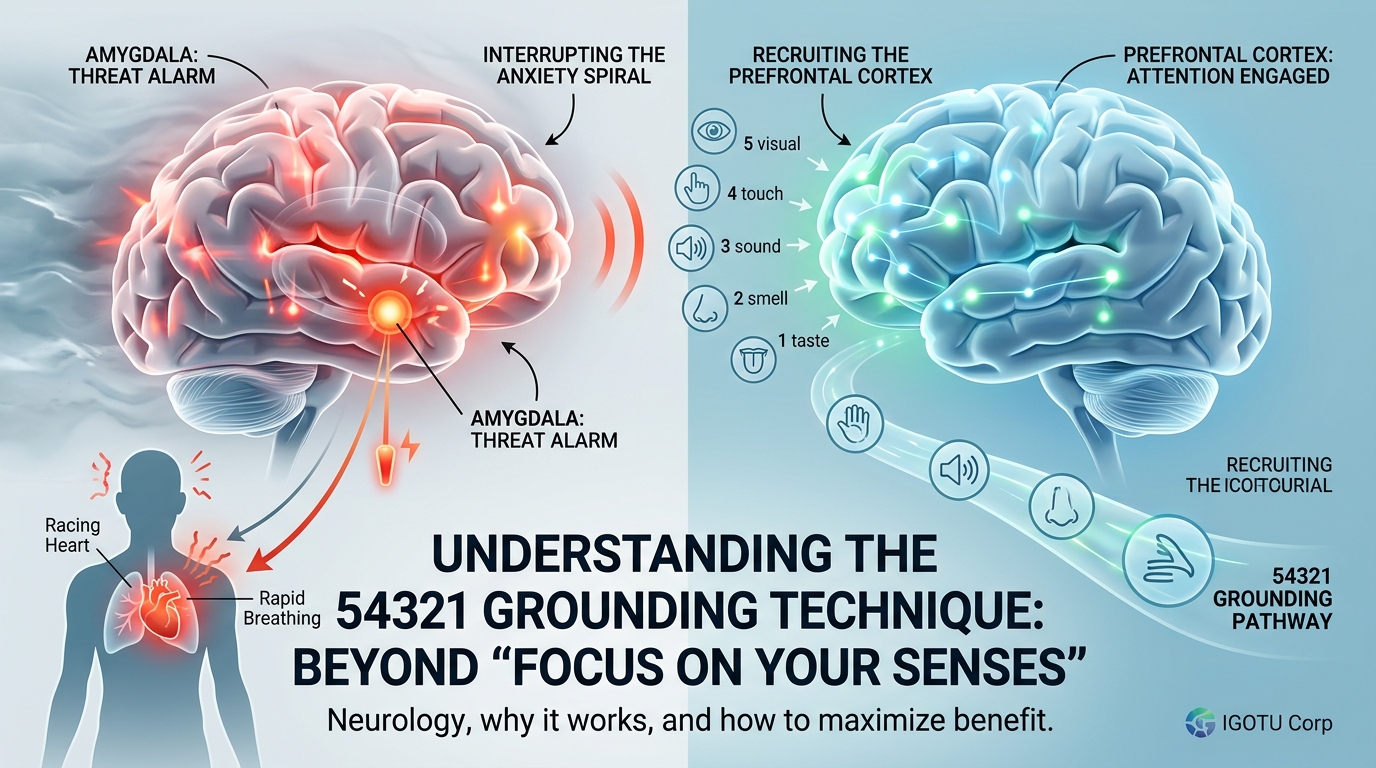
What Is the 54321 Grounding Technique? How Does It Actually Work?
If you have ever looked up what to do during a panic attack, an anxiety spiral, or a moment of...
Can Stress Alone Cause Panic Disorder? IGOTU Corp Guide
The Question That Arrives After the First Attack You were not doing anything dramatic. You were not in danger. You...
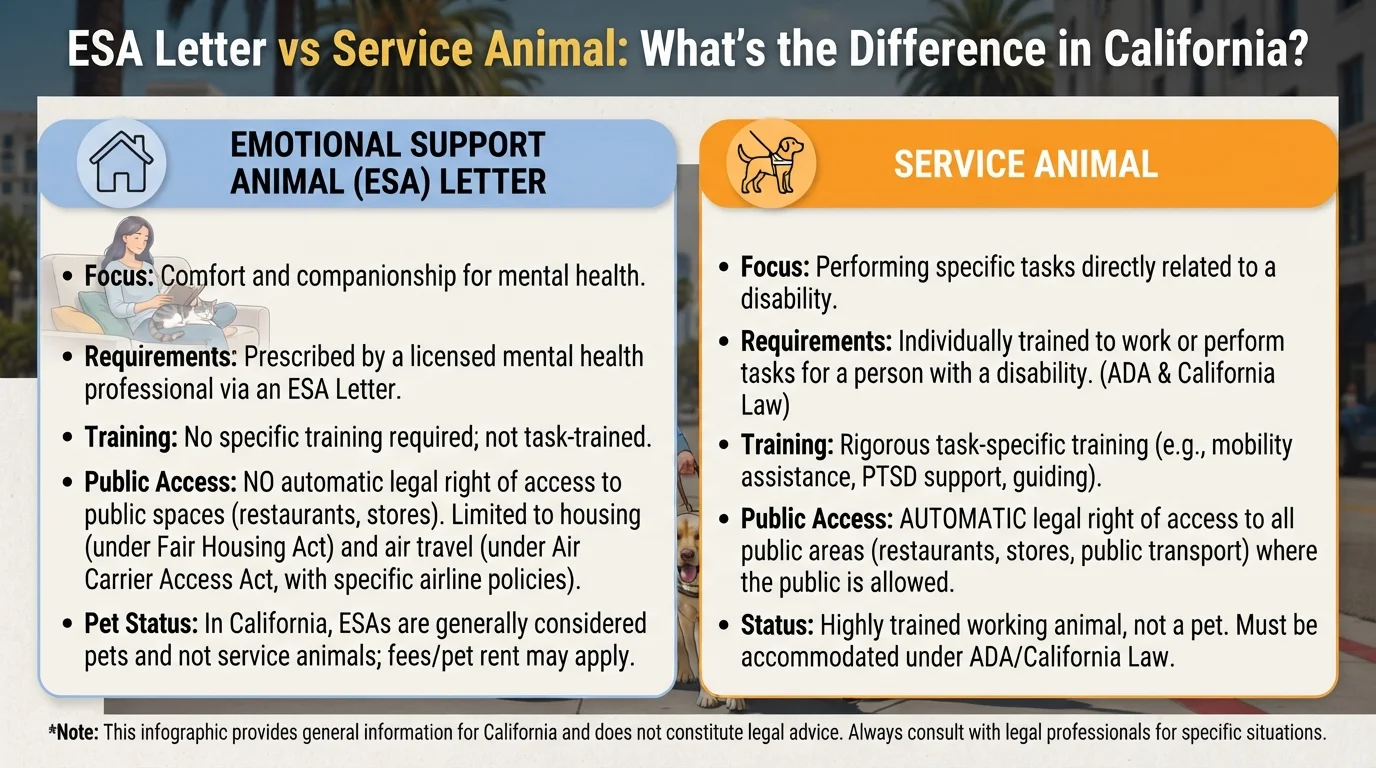
ESA Letter vs Service Animal: What’s the Difference in California?
An ESA letter and a service animal are not the same thing under California or federal law, and confusing the...