

How to Choose the Right Anxiety Treatment Centers | Therapist’s Take
Life can feel incredibly heavy when anxiety takes the wheel. Maybe it’s the racing thoughts at 2 a.m., the knot in your stomach before a simple conversation, or the constant “what ifs” that never seem to quiet down. Whatever form it takes for you, anxiety is real, it’s exhausting — and most importantly, it’s treatable.
Deciding to seek help is already a huge win. But the next step — actually finding the right anxiety treatment center — can feel just as daunting as the anxiety itself. Where do you even begin? How do you know who to trust? What if you choose the wrong place?
Take a deep breath. This guide is here to make that process simpler, clearer, and a whole lot less stressful. Whether you’re searching for yourself or a loved one, we’ll walk you through exactly what to look for in anxiety treatment centers — and introduce you to IGOTU Corp, a leading name in compassionate, professional anxiety care offering both in-person and online sessions. By the end of this guide, you’ll feel confident, informed, and ready to take that next life-changing step toward feeling like yourself again.
Why Choosing the Right Anxiety Treatment Center Matters
Not all anxiety treatment centers are created equal. The right fit can make a huge difference in your recovery journey. A center that aligns with your needs, preferences, and lifestyle can accelerate healing, while the wrong one might leave you feeling stuck or unsupported. Think of it like finding the right pair of shoes — the fit has to be just right.
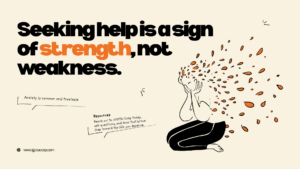
Anxiety disorders are among the most common mental health conditions worldwide, affecting millions of people every year. Whether you’re dealing with generalized anxiety disorder (GAD), panic disorder, social anxiety, or PTSD, professional help from a qualified treatment center can genuinely change your life.
1. Understand What Type of Anxiety Treatment You Need
Before you start searching for anxiety treatment centers, it helps to understand what kind of support you’re looking for. Anxiety treatment generally falls into a few categories:
Outpatient Programs — You attend scheduled therapy sessions while continuing with your daily life. This is ideal for mild to moderate anxiety.
Intensive Outpatient Programs (IOP) — A step up from standard outpatient care, IOPs offer more frequent sessions (usually several times a week) without requiring you to stay overnight.
Residential/Inpatient Programs — For severe anxiety or co-occurring disorders, some people benefit from living at the treatment facility for a period of time.
Online/Telehealth Programs — Virtual therapy sessions that allow you to get professional help from the comfort of your home.
Knowing which level of care suits your situation will help narrow down your options significantly.
2. Look for Licensed and Accredited Professionals
This is non-negotiable. Any reputable anxiety treatment center should be staffed by licensed mental health professionals — think licensed therapists, psychologists, psychiatrists, and certified counselors. Always check:
- Are the therapists licensed in your state or region?
- Is the facility accredited by a recognized body?
- Do they specialize in anxiety disorders specifically?
Credentials matter because they ensure that the care you receive meets professional standards. Never hesitate to ask a center about their team’s qualifications — a good center will be happy to share that information.
3. Evaluate the Treatment Approaches They Use
Effective anxiety treatment is rooted in evidence-based practices. When researching anxiety treatment centers, look for those that offer proven therapeutic approaches such as:
Cognitive Behavioral Therapy (CBT) — The gold standard for anxiety treatment. CBT helps you identify and reframe negative thought patterns.
Exposure and Response Prevention (ERP) — Particularly helpful for OCD and phobia-related anxiety.
Dialectical Behavior Therapy (DBT) — Focuses on emotional regulation and mindfulness.
Medication Management — Some individuals benefit from medication alongside therapy. Look for centers that have psychiatrists on staff.
Holistic Approaches — Yoga, meditation, breathwork, and nutrition counseling can complement traditional therapies beautifully.
A well-rounded center will offer a combination of these approaches tailored to your unique needs, rather than a one-size-fits-all model.
4. Consider Accessibility — In-Person vs. Online Sessions
Life is busy, and accessibility plays a huge role in your commitment to treatment. Ask yourself:
- Is the center conveniently located?
- Do they offer flexible scheduling including evenings or weekends?
- Do they provide online/telehealth sessions?
Many modern anxiety treatment centers now offer both in-person and virtual sessions, which is a massive advantage. Online therapy has proven to be just as effective as in-person care for many anxiety conditions — and it removes common barriers like travel time, social anxiety about visiting a clinic, or a packed schedule.
5. Check Insurance Coverage and Costs
Mental health care should be accessible to everyone, but costs can be a real concern. Before committing to any anxiety treatment center, make sure you:
- Verify whether they accept your insurance
- Ask about out-of-pocket costs per session
- Inquire about sliding scale fees or payment plans
- Check if your employer offers an Employee Assistance Program (EAP) that covers mental health services
Transparency around costs is actually a good sign of a trustworthy center. If a facility is vague about pricing, consider that a red flag.
🌟 Ready to Take the First Step?
You don’t have to face anxiety alone. IGOTU Corp is here to help you reclaim your peace of mind — whether through in-person sessions or the comfort of online care.
👉 Contact IGOTU Corp today to schedule your free consultation and begin your journey toward a calmer, healthier, and more fulfilling life.
📞 Contact: +1 909-325-7949
📍 Office: 9431 Haven Ave Suite 100-151, Rancho Cucamonga, CA 91730
📧 Email: noworries@gmail.com
🌐 Website: https://igotucorp.com/
Because you deserve to feel better — and with the right support, you absolutely need.
6. Read Reviews and Ask for Referrals
Word of mouth and online reviews are powerful tools. Look for testimonials from former clients (keeping privacy in mind), and ask your primary care doctor or a trusted friend for referrals. Things to watch for in reviews:
- Did clients feel genuinely heard and respected?
- Was the staff compassionate and professional?
- Did people notice real progress in their mental health?
You can also check platforms like Psychology Today, Healthgrades, or Google Reviews to find feedback on specific anxiety treatment centers in your area.
7. Ask About Personalized Treatment Plans
Your anxiety is unique to you — your triggers, your history, your lifestyle. A quality anxiety treatment center will take the time to thoroughly assess your needs before putting together a personalized treatment plan. During your initial consultation, ask:
- Will I receive a comprehensive mental health assessment?
- How is my treatment plan developed and updated?
- How are family members or support systems involved?
A center that prioritizes individualized care over cookie-cutter programs is always a better choice.
8. Trust Your Gut During the Initial Consultation
Most reputable anxiety treatment centers offer a free initial consultation or intake call. Use this opportunity not just to ask questions, but to pay attention to how you feel during the interaction. Ask yourself:
- Did the staff make me feel welcome and comfortable?
- Were my questions answered clearly and without judgment?
- Did I feel rushed, or did they take their time with me?
Your comfort and sense of safety with the team are crucial — because healing happens best in environments where you feel truly supported.
Why IGOTU Corp Is the Right Choice for Your Anxiety Treatment Journey
When it comes to finding a compassionate, professional, and effective anxiety treatment center, IGOTU Corp stands out as a trusted leader in mental health care. Here’s why so many people choose IGOTU Corp for their anxiety treatment:
Expert, Licensed Professionals — IGOTU Corp’s team consists of highly qualified therapists, counselors, and mental health specialists who are passionate about helping you thrive.
Personalized Treatment Plans — No two journeys are the same. IGOTU Corp takes a deeply individualized approach, crafting treatment plans tailored specifically to your needs, goals, and lifestyle.
Flexible In-Person and Online Sessions — Whether you prefer the warmth of face-to-face sessions or the convenience of virtual care, IGOTU Corp has you covered. Their seamless telehealth platform ensures you never have to put your mental health on hold.
Evidence-Based Therapies — From CBT and DBT to mindfulness-based practices, IGOTU Corp uses the most up-to-date, research-backed methods to help you manage and overcome anxiety.
A Warm, Judgment-Free Environment — At IGOTU Corp, you’re not just a patient — you’re a person. Their compassionate team is dedicated to creating a safe, supportive space where real healing can happen.
IGOTU Corp believes that everyone deserves access to quality mental health care, and they’re committed to walking alongside you every step of the way.
Your Journey to Healing Starts Today
Here’s something worth remembering — seeking help isn’t a sign of weakness. It’s one of the most courageous, self-aware things a person can do. Anxiety may have been part of your story for a while, but it doesn’t have to define the rest of it.
Choosing the right anxiety treatment center is about more than just finding a facility. It’s about finding a team that genuinely believes in your ability to heal, a space where you feel safe enough to be vulnerable, and a plan that’s built around you — not a generic checklist.
That’s exactly the kind of care IGOTU Corp is built on. With a team of licensed, compassionate professionals, personalized treatment plans, and the flexibility of both in-person and online sessions, IGOTU Corp is ready to meet you exactly where you are — and walk alongside you every step of the way.
The road to recovery isn’t always perfectly straight, and that’s okay. There will be hard days and breakthrough days. But with the right support system around you, every step forward — no matter how small — is progress worth celebrating.
You’ve already taken the first step by educating yourself. Now it’s time to take the next one. Reach out to IGOTU Corp today, ask questions, and take that brave leap toward the life you deserve. Because a calmer, more peaceful version of your life isn’t just possible — it’s waiting for you.
Frequently Asked Questions (FAQs)
Q1. How do I know if I need an anxiety treatment center?
If anxiety is interfering with your daily life, relationships, work, or sleep, it’s a strong sign that professional support from an anxiety treatment center could make a significant difference.
Q2. What is the most effective therapy for anxiety?
Cognitive Behavioral Therapy (CBT) is widely considered the most effective evidence-based treatment for anxiety disorders, though the best approach depends on your specific condition.
Q3. Can I attend an anxiety treatment center online?
Yes! Many anxiety treatment centers, including IGOTU Corp, offer fully online telehealth sessions that are just as effective as in-person care for most anxiety conditions.
Q4. How long does anxiety treatment typically take?
It varies. Some people see improvement in as little as 8–12 weeks of consistent therapy, while others may benefit from longer-term support depending on the severity of their anxiety.
Q5. Will my information be kept confidential at an anxiety treatment center?
Absolutely. All reputable anxiety treatment centers are bound by strict confidentiality laws (such as HIPAA in the US), ensuring your personal and medical information remains private.
Taking care of your mental health is not a luxury — it’s a necessity. With the right anxiety treatment center by your side, a calmer and more confident you is well within reach.
Recent Posts
Related Posts

What to Expect During Your First 7 Days at a Depression Center
The night before you start treatment can feel strange. Part of you is relieved that help is finally coming. Another...
How to Protect Your Mental Health Without Sacrificing Your Career
It is Sunday evening and your stomach is already tight. You are replying to emails you will see again in...
How to Find a Licensed Male Therapist in California
Plenty of people know the moment they decide they want therapy. Fewer people know what to type into the search...

How to Do the 5-4-3-2-1 Technique Silently in Class
Learn how to manage anxiety discreetly during class using the simple and effective 5-4-3-2-1 grounding technique in this article. Exclusive...
How to Set Boundaries Without Guilt: Stop People Pleasing
You said yes again. You knew while the words were leaving your mouth that you did not want to say...