
What Is the Relationship Between Stress and Mental Health?
Stress is an unavoidable part of life. Everyone experiences it—from work pressure and family responsibilities to sudden life changes and personal challenges. However, prolonged or chronic stress can profoundly affect your mental health, contributing to anxiety, depression, burnout, and emotional instability.
Understanding the connection between stress and mental health is essential. Recognizing symptoms, knowing triggers, and learning effective management strategies can help you maintain emotional balance and overall well-being.
Understanding Stress
Stress is the body’s natural reaction to perceived threats or demands. When faced with a challenge, your brain triggers the fight-or-flight response, releasing hormones like cortisol and adrenaline. These hormones increase alertness, energy, and focus.
Short-term stress is adaptive—it motivates action and sharpens performance. Long-term, unmanaged stress, however, can negatively impact mental health, creating a cycle of emotional and physical strain.
How Stress Affects the Brain
Stress affects several key areas of the brain:
1. Cortisol Levels and Emotional Health
High cortisol levels from chronic stress can lead to:
- Irritability
- Anxiety
- Mood swings
- Difficulty concentrating
This imbalance can trigger or worsen anxiety disorders and depression.
2. Amygdala Hyperactivity
The amygdala, the brain’s emotional alarm system, becomes overactive under stress, making even minor challenges feel overwhelming.
3. Prefrontal Cortex Suppression
The prefrontal cortex governs decision-making, focus, and emotional regulation. Stress weakens it, resulting in:
- Poor concentration
- Emotional overreactions
- Reduced problem-solving abilities
4. Hippocampus Shrinkage
The hippocampus, responsible for memory and learning, can shrink under chronic stress, leading to forgetfulness and mental fatigue.
The Link Between Stress and Mental Health Conditions
Chronic stress is a significant risk factor for mental health disorders:
Stress and Anxiety
Excessive stress fuels constant worry, hypervigilance, and even panic attacks. Many individuals searching for “stress and anxiety” or “online therapy for anxiety” experience this connection firsthand.
Stress and Depression
Persistent stress can reduce serotonin levels and motivation, increasing the risk of depression. Emotional numbness, fatigue, and social withdrawal are common signs.
Stress and Trauma Responses
Stress can reactivate past trauma, leading to:
- Flashbacks
- Emotional numbness
- Heightened fear responses
Stress and Burnout
Burnout is the result of prolonged stress without recovery and often affects work, relationships, and energy levels.
Stress and Physical Health
Stress also manifests physically, affecting sleep, digestion, heart health, and immunity. Physical discomfort often worsens mental health, creating a feedback loop.
Recognizing When Stress Impacts Mental Health
Stress becomes harmful when it:
- Persists for weeks or months
- Disrupts daily functioning
- Interferes with sleep, appetite, or relationships
- Causes irritability, mood swings, or anxiety
Common warning signs include emotional, cognitive, behavioral, and physical symptoms:
Emotional Signs
- Irritability and anger
- Sadness or hopelessness
- Emotional overwhelm
Cognitive Signs
- Difficulty concentrating
- Negative thoughts
- Memory lapses
Behavioral Signs
- Social withdrawal
- Changes in appetite
- Substance use
Physical Signs
- Headaches
- Muscle tension
- Sleep disturbances
Managing Stress to Protect Mental Health
Effective stress management involves a combination of strategies:
Mindfulness and Relaxation
- Meditation
- Deep breathing exercises
- Progressive muscle relaxation
Therapy and Professional Support
Working with a licensed therapist or using online mental health services helps identify triggers, develop coping strategies, and reduce chronic stress.
Healthy Lifestyle
- Regular exercise
- Adequate sleep
- Balanced diet
- Limiting caffeine and alcohol
Social Connection
- Maintain supportive relationships
- Talk openly about stress
- Seek help when needed
Time Management and Boundaries
- Prioritize tasks
- Delegate responsibilities
- Set limits to protect your mental space
When to Seek Professional Help
If stress:
-
Impairs daily life
-
Leads to persistent anxiety or depression
-
Causes panic attacks or emotional breakdowns
-
Disrupts sleep or appetite
…it’s time to reach out to a licensed therapist or use online therapy for anxiety. Early intervention prevents long-term mental health complications.
How I Got U Corp Can Help
At I Got U Corp, we specialize in adult mental health services, offering care for stress, anxiety, depression, trauma, and emotional overwhelm.
Services include:
- Licensed Therapist Support
- Online Therapy California
- Online Mental Health Services
- Cognitive Behavioral Therapy (CBT)
- Adult Mental Health Counseling
Whether in-person or online, our team provides compassionate, evidence-based care tailored to your needs.
Frequently Asked Questions
Can stress cause depression?
Yes, chronic stress can lower serotonin and contribute to depressive symptoms.
How quickly can therapy reduce stress?
Many people notice improvement within weeks using CBT or guided therapy sessions.
Are online mental health services effective for stress?
Yes. Online therapy allows consistent support, flexibility, and privacy.
What are early signs stress is affecting mental health?
Sleep problems, irritability, emotional fatigue, and cognitive difficulties are common indicators.
Contact I Got U Corp — Get Support Today
📍 Address:
9431 Haven Ave, Suite 100-151, Rancho Cucamonga, CA, 91730
📞 Phone:
909.325.7949
📧 Email:
Noworries@igotucorp.com
🌐 Website:
www.igotucorp.com
Take the first step toward mental wellness today. Licensed therapists and online mental health services are available to help you manage stress and protect your emotional health.
Recent Posts
Related Posts
How to Set Boundaries Without Guilt: Stop People Pleasing
You said yes again. You knew while the words were leaving your mouth that you did not want to say...
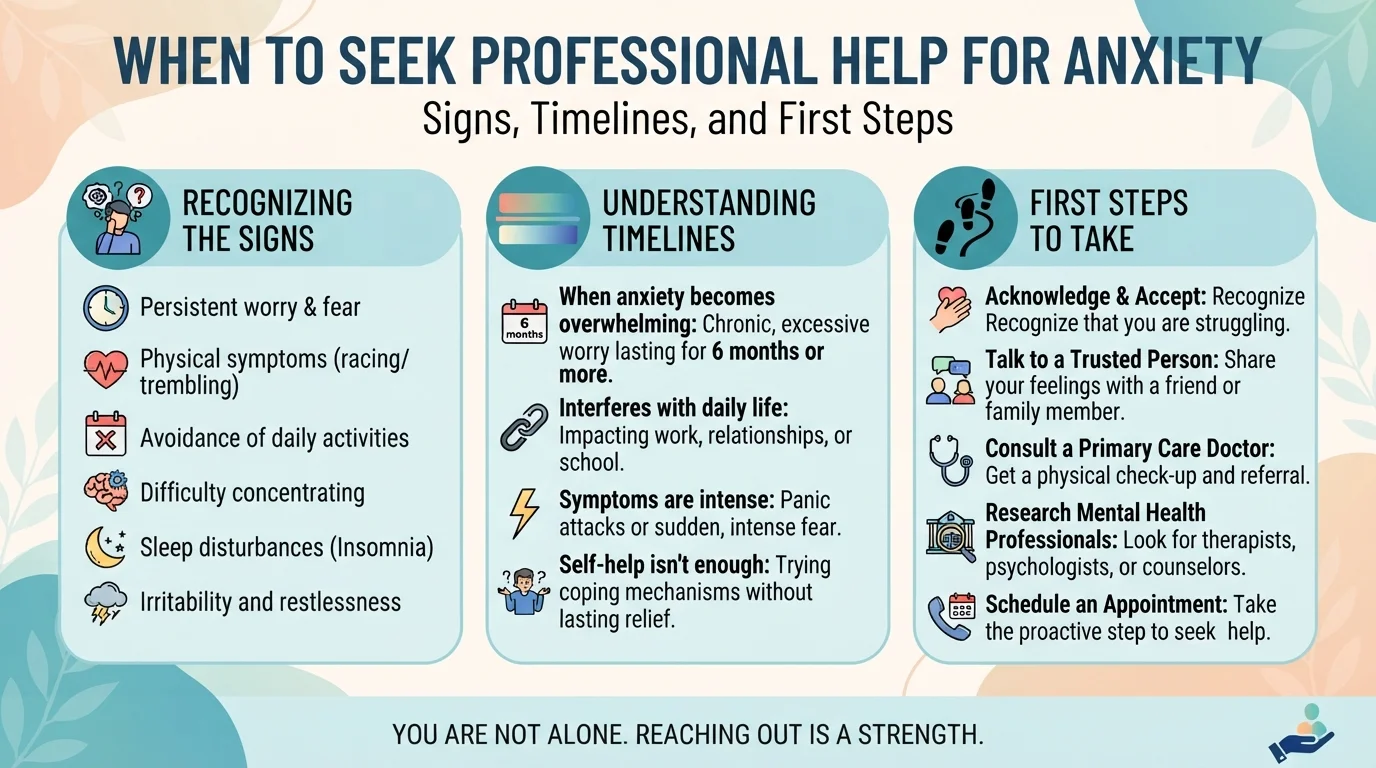
When to Seek Professional Help for Anxiety: Signs, Timelines, and First Steps
Anxiety (anxious distress) is the body's alarm response to a perceived threat, marked by worry, muscle tension, and a faster...
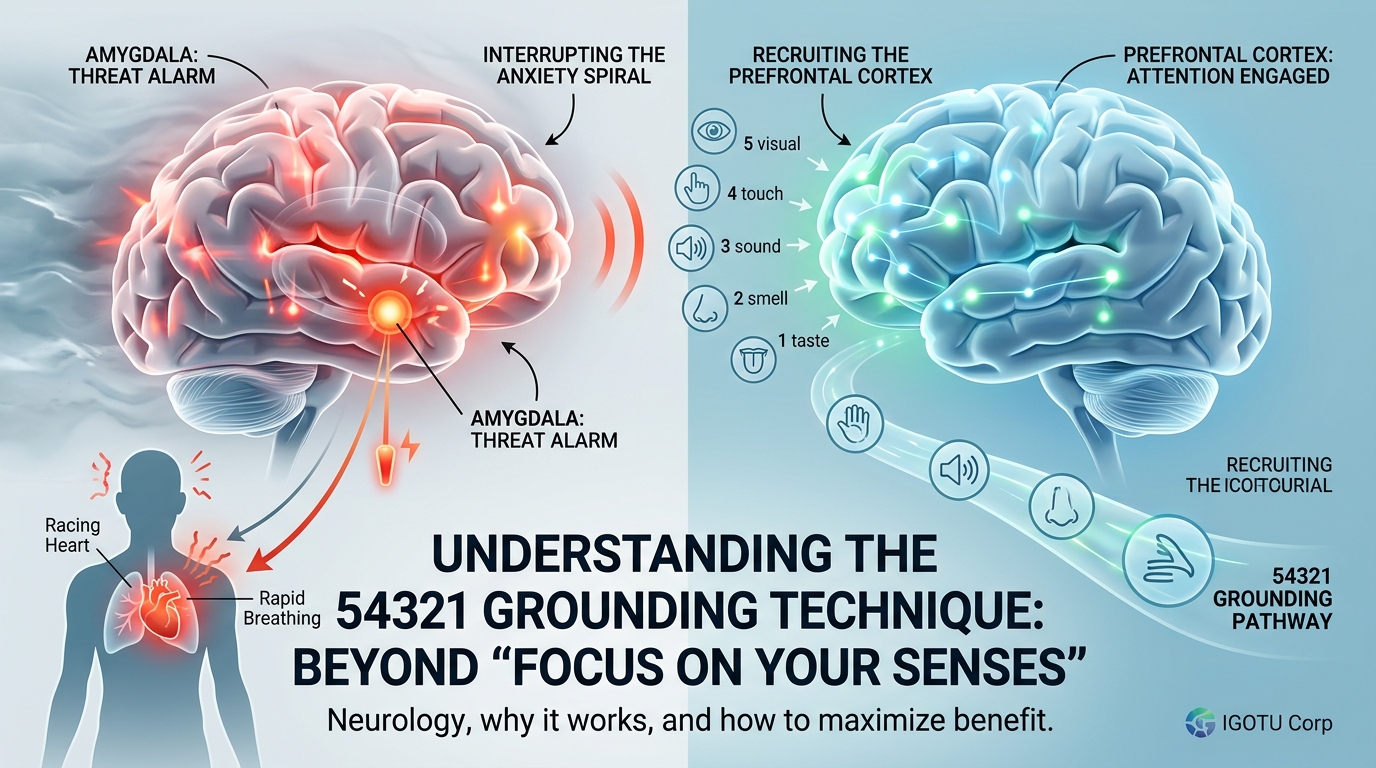
What Is the 54321 Grounding Technique? How Does It Actually Work?
If you have ever looked up what to do during a panic attack, an anxiety spiral, or a moment of...
Can Stress Alone Cause Panic Disorder? IGOTU Corp Guide
The Question That Arrives After the First Attack You were not doing anything dramatic. You were not in danger. You...
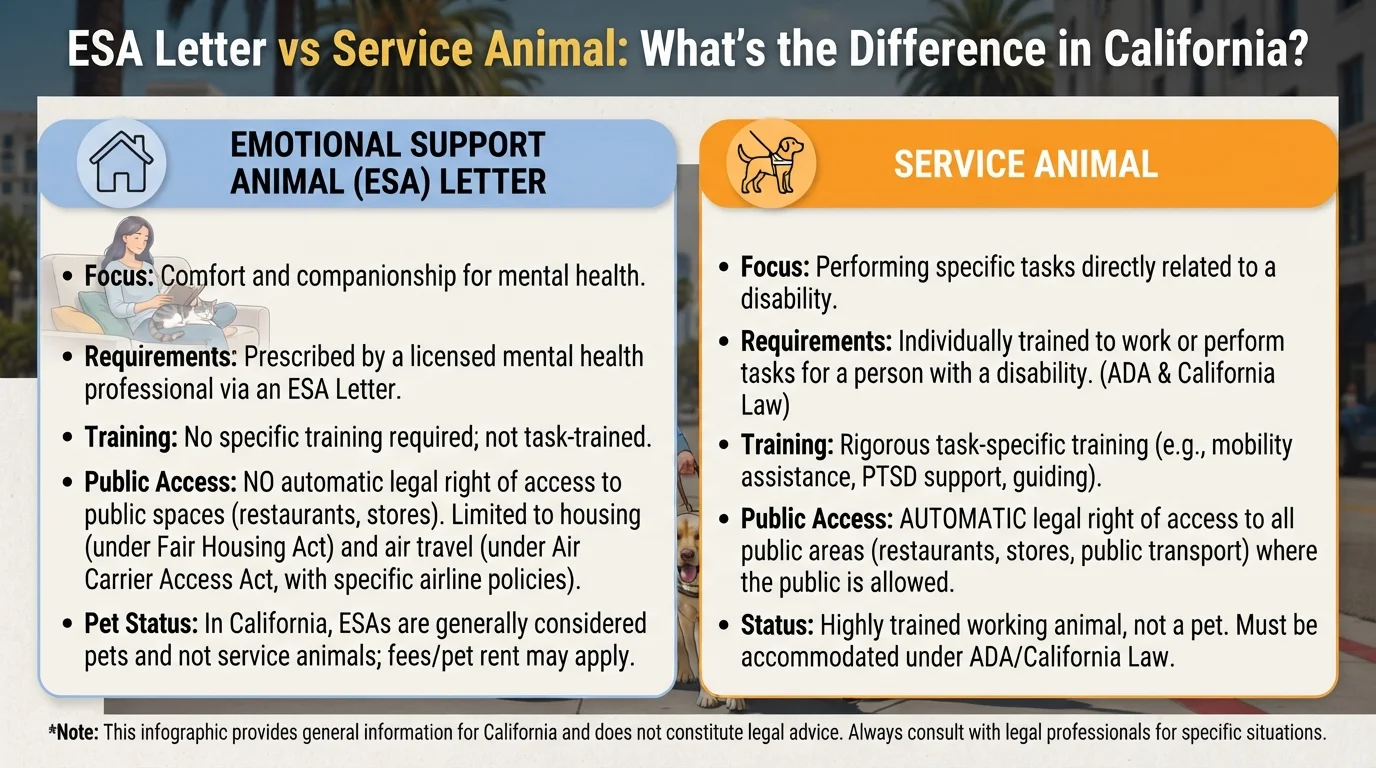
ESA Letter vs Service Animal: What’s the Difference in California?
An ESA letter and a service animal are not the same thing under California or federal law, and confusing the...