
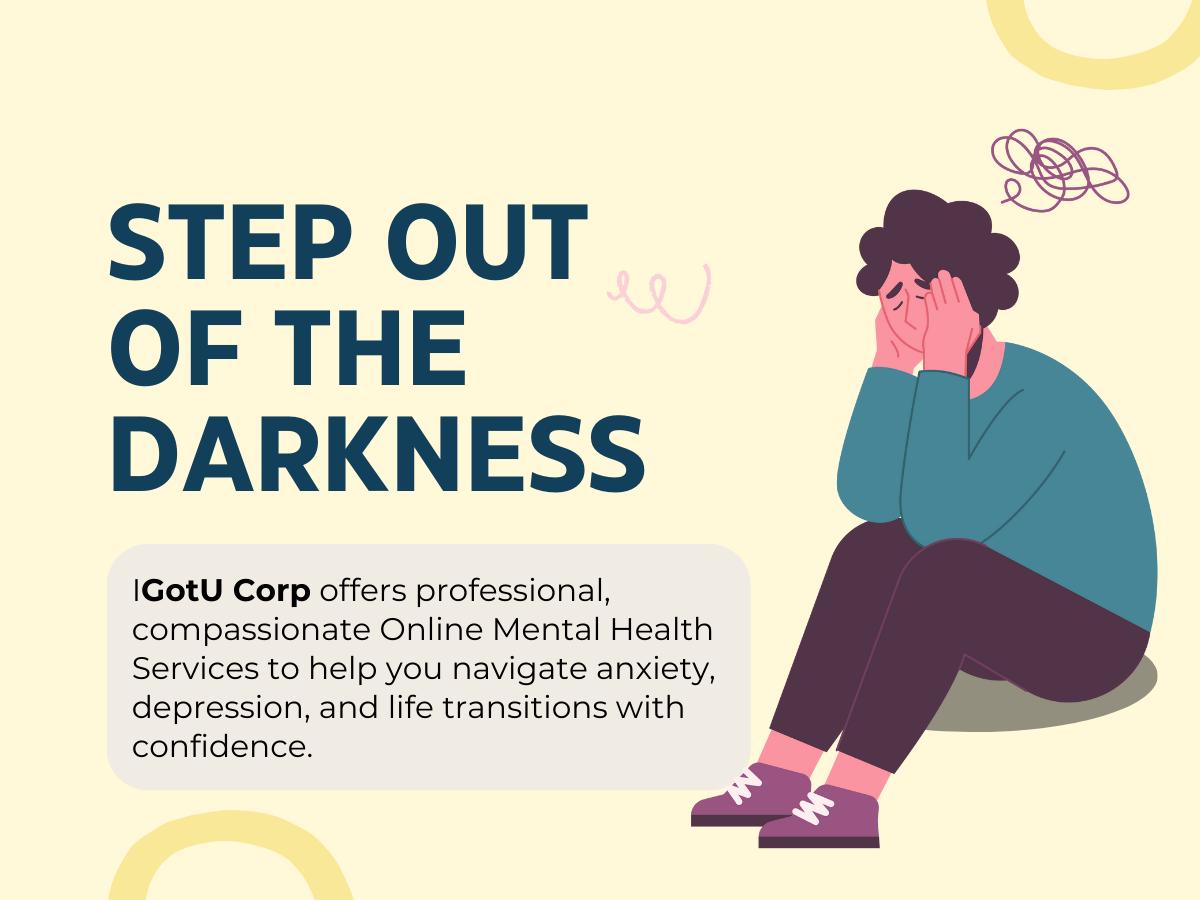
Let’s talk about something that affects millions of people worldwide, yet often goes unspoken: depression. It’s not just feeling sad after a bad day or going through a rough patch. Depression is a serious mental health condition that fundamentally changes how you think, feel, and function in your daily life.
Think of depression as your brain’s chemistry getting out of balance. It’s like having a fog settle over everything you do, making even simple tasks feel insurmountable. You might lose interest in things you once loved, struggle to get out of bed, or feel like you’re moving through life in slow motion. The important thing to understand is that depression isn’t a sign of weakness, and it’s not something you can just “snap out of.” It’s a legitimate medical condition that deserves proper attention and treatment.
What makes depression particularly challenging is that it doesn’t look the same for everyone. Some people might sleep too much, while others can’t sleep at all. Some lose their appetite completely, while others find themselves eating more than usual. This variability can make it tricky to recognize, both in ourselves and in others. But here’s the good news: depression is treatable, and with the right combination of support, therapy, and sometimes medication, people can and do recover.
Types of Depression
Depression isn’t a one-size-fits-all condition. There are actually several different types, each with its own characteristics and patterns. Understanding which type you might be dealing with can be incredibly helpful in finding the right treatment approach.
Major Depressive Disorder (MDD)
This is what most people think of when they hear the word “depression.” Major Depressive Disorder is characterized by intense symptoms that last for at least two weeks and significantly interfere with your ability to work, study, sleep, eat, and enjoy life. People with MDD often describe feeling like they’re trapped in a dark tunnel with no way out. The symptoms are persistent and can include profound sadness, loss of interest in nearly all activities, and sometimes thoughts of death or suicide.
Seasonal Affective Disorder (SAD)
Have you ever noticed your mood takes a nosedive when the days get shorter? You might be experiencing Seasonal Affective Disorder. This type of depression follows a seasonal pattern, typically showing up in fall and winter when there’s less natural sunlight, then lifting during spring and summer. It’s thought to be related to changes in your body’s internal clock and levels of certain brain chemicals that are affected by light exposure. People with SAD often experience increased sleepiness, weight gain, and a heavy feeling in their arms or legs.
Persistent Depressive Disorder (PDD)
Formerly known as dysthymia, Persistent Depressive Disorder is like living with a constant, low-grade depression that lasts for at least two years. While the symptoms might not be as severe as MDD, their chronic nature can be incredibly draining. Imagine carrying a backpack full of rocks everywhere you go—that’s what PDD can feel like. You might still function relatively well on the outside, but internally, you’re constantly struggling with low mood, poor self-esteem, and a sense of hopelessness.
Perinatal and Postpartum Depression
Pregnancy and the postpartum period are supposed to be joyful times, right? But for many women, they’re marked by significant depression. Perinatal depression occurs during pregnancy, while postpartum depression develops after childbirth. These aren’t just “baby blues”—they’re serious conditions that can involve severe mood swings, exhaustion, feelings of inadequacy about being a parent, and even thoughts of harming yourself or your baby. The hormonal changes, sleep deprivation, and enormous life adjustment can trigger these episodes.
Bipolar Disorder
While bipolar disorder is technically its own category, it includes episodes of depression that alternate with periods of mania or hypomania (elevated mood and energy). During the depressive phase, symptoms look very similar to major depression. The key difference is that people with bipolar disorder also experience those high-energy manic episodes where they might feel euphoric, have racing thoughts, need little sleep, or engage in risky behaviors.
Psychotic Depression
This is a particularly severe form of depression that includes symptoms of psychosis, such as hallucinations (seeing or hearing things that aren’t there) or delusions (false beliefs). Someone might believe they’re guilty of crimes they didn’t commit, think they’re worthless beyond reason, or feel they have a terrible illness despite medical evidence to the contrary. Psychotic depression requires immediate professional attention.
Premenstrual Dysphoric Disorder (PMDD)
Many women experience some moodiness before their period, but PMDD is far more intense. This condition causes severe depression, irritability, and tension in the week or two before menstruation. The symptoms are significant enough to interfere with work, school, or relationships, and they improve within a few days after your period starts. It’s thought to be related to abnormal reactions to hormone changes during the menstrual cycle.
Situational Depression
Also called adjustment disorder with depressed mood, this type develops in response to a specific stressful event or major life change—like losing a job, going through a divorce, or experiencing the death of a loved one. While it’s normal to feel sad during difficult times, situational depression is more intense and longer-lasting than typical grief or stress reactions. The good news is that it usually resolves once you’ve adjusted to the new situation or the stressor is removed.
Signs and Symptoms of Depression
Recognizing depression can be trickier than you might think because it manifests in so many different ways. Let’s break down what to look for.
Emotional Symptoms
The emotional landscape of depression is complex and painful. Persistent sadness is often the most recognizable symptom—it’s not just feeling down for a day or two, but a deep, pervasive sadness that colors everything. You might feel empty inside, like there’s a hollow void where your emotions should be. Many people describe feeling emotionally numb, unable to feel joy, love, or even sadness in a normal way.
Feelings of worthlessness often creep in too. You might find yourself thinking you’re a failure, that you’re letting everyone down, or that you’re fundamentally flawed as a person. Guilt becomes overwhelming, sometimes about things that aren’t even your fault or that happened long ago. You might replay conversations or situations endlessly, criticizing yourself harshly. There’s often a sense of hopelessness, a belief that things will never get better, which can be one of the most dangerous symptoms because it can lead to thoughts of suicide.
Physical & Behavioral Symptoms
Depression doesn’t just live in your mind—it takes up residence in your body too. Sleep patterns often go haywire. Some people sleep excessively, finding it nearly impossible to get out of bed, while others suffer from insomnia, lying awake for hours or waking up far too early and being unable to fall back asleep. Either way, you rarely feel rested.
Your appetite might disappear completely, or you might find yourself eating compulsively. This can lead to noticeable weight changes in either direction. Fatigue is almost universal with depression—not just tiredness, but a bone-deep exhaustion that makes even brushing your teeth feel like climbing a mountain. You might move and speak more slowly than usual, or conversely, feel restless and unable to sit still.
Concentration becomes incredibly difficult. Reading a paragraph might require multiple attempts, and making even simple decisions can feel paralyzing. You might find yourself withdrawing from friends and family, canceling plans, and isolating yourself. Activities you once enjoyed—hobbies, sports, socializing—suddenly hold no appeal. Physical symptoms like headaches, digestive problems, or body aches without clear physical causes are also common. In severe cases, people may have thoughts of death or suicide, which is a clear signal that immediate professional help is needed.
What Causes Depression?
Understanding what causes depression is like putting together a complex puzzle. There’s rarely just one cause—instead, it’s usually a combination of factors that work together to trigger depression.
Genetic & Biological Factors
Your genes play a significant role in your vulnerability to depression. If you have a parent or sibling with depression, you’re two to three times more likely to develop it yourself. But it’s not a guarantee—genetics load the gun, but other factors pull the trigger.
At a biological level, depression involves imbalances in brain chemistry, particularly neurotransmitters like serotonin, dopamine, and norepinephrine. These chemical messengers help regulate mood, and when they’re out of whack, depression can result. Brain structure and function can also differ in people with depression—certain areas responsible for mood regulation might be less active or structured differently.
Hormones also play a crucial role. Thyroid problems, for instance, can trigger depressive symptoms. Women may be more vulnerable to depression during times of hormonal change, like puberty, pregnancy, postpartum, and menopause. Even your circadian rhythms—your body’s internal clock—can influence depression, which is why seasonal patterns exist.
Psychological Factors
Your psychological makeup and life experiences significantly influence your risk for depression. People with low self-esteem or who tend toward pessimistic thinking are more vulnerable. If you’re prone to rumination—endlessly replaying negative thoughts and situations in your mind—you’re at higher risk.
Trauma, especially during childhood, can fundamentally alter how your brain develops and responds to stress. Experiences like abuse, neglect, or witnessing violence can leave lasting scars that make you more susceptible to depression later in life. Even your coping style matters—if you tend to avoid problems rather than addressing them, or if you lack effective stress management skills, you’re more likely to develop depression when challenges arise.
Perfectionism can be another risk factor. If you set impossibly high standards for yourself and beat yourself up when you fall short, you’re creating a perfect storm for depression. Similarly, having a very external locus of control—believing that everything happens to you rather than feeling any agency in your life—can increase vulnerability.
Environmental Factors
Your environment and life circumstances can’t be overlooked when it comes to depression. Let’s look at some key environmental influences.
- Socioeconomic Status: Financial instability creates chronic stress that can wear down your mental health over time. When you’re worried about paying rent, affording food, or accessing healthcare, it’s hard to maintain psychological well-being. Limited resources also mean limited access to things that support mental health, like quality healthcare, safe housing, nutritious food, and opportunities for recreation and social connection. The constant pressure of poverty and the stress of economic insecurity are significant risk factors for depression.
- Social Support: Humans are inherently social creatures, and our connections with others can either protect us from depression or leave us vulnerable to it. Having a strong network of supportive friends and family acts as a buffer against stress and depression. When you have people you can talk to, who validate your feelings and offer practical help, you’re much more resilient. On the flip side, social isolation is a major risk factor. Living alone without meaningful connections, experiencing loneliness, or going through relationship conflicts can all contribute to depression. Even being in a relationship isn’t protective if that relationship is troubled or abusive.
- Chronic Illness: Living with ongoing physical health problems creates multiple pathways to depression. First, there’s the direct impact—chronic pain is exhausting and demoralizing. When your body hurts constantly, it affects your mood. Mobility limitations can lead to social isolation and loss of independence, both of which increase depression risk. There’s also the psychological burden of managing a chronic condition—the medical appointments, the medications, the uncertainty about the future. Some chronic illnesses also directly affect brain chemistry, making depression more likely. Plus, certain medications used to treat physical conditions can have depression as a side effect.
Other environmental factors include significant life stressors like divorce, job loss, or bereavement. Even positive changes like getting married or having a baby can be stressful enough to trigger depression in vulnerable individuals. Substance abuse, whether as a cause or effect, can worsen depression. Even where you live matters—lack of access to green spaces, living in high-crime areas, or dealing with discrimination and stigma can all contribute.
How to Treat Depression
Here’s the hopeful part: depression is highly treatable. The vast majority of people who get treatment see significant improvement. Treatment usually involves therapy, medication, or a combination of both, and the right approach depends on the individual and the severity of their depression.
Effective Types of Therapy
Psychotherapy—often called “talk therapy”—is a cornerstone of depression treatment. Different therapeutic approaches work for different people, and sometimes finding the right fit takes a bit of trial and error.
- Cognitive Behavioral Therapy (CBT)
CBT is one of the most widely researched and effective treatments for depression. The basic premise is that our thoughts, feelings, and behaviors are all interconnected, and by changing negative thought patterns, we can change how we feel and act.
In CBT, you work with a therapist to identify negative thinking patterns—like catastrophizing, black-and-white thinking, or assuming the worst will happen. You learn to challenge these thoughts and replace them with more balanced, realistic ones. For example, instead of thinking “I’m a complete failure,” you might learn to think “I made a mistake, but I’ve also succeeded at many things.” CBT also involves behavioral activation—gradually increasing activities that bring pleasure or a sense of accomplishment, even when you don’t feel like it.
The beauty of CBT is that it’s structured and goal-oriented, typically lasting 12-20 sessions. It also gives you concrete skills you can use long after therapy ends.
- Dialectical Behavior Therapy (DBT)
Originally developed for borderline personality disorder, DBT has proven effective for depression too, especially when it involves intense emotions or self-destructive behaviors. DBT combines acceptance and change strategies—you learn to accept yourself and your emotions while also working to change problematic behaviors.
DBT teaches four key skill sets: mindfulness (staying present in the moment), distress tolerance (getting through crises without making things worse), emotion regulation (understanding and managing intense feelings), and interpersonal effectiveness (communicating needs and setting boundaries). These skills are particularly helpful if your depression involves emotional volatility or difficulty managing relationships.
- Interpersonal Therapy (IPT)
IPT focuses on your relationships and how they affect your mood. The idea is that depression often develops or worsens in the context of relationship problems, and improving those relationships can alleviate depression.
In IPT, you might work on grief and loss, role transitions (like becoming a parent or retiring), relationship conflicts, or difficulties forming and maintaining relationships. It’s typically a shorter-term therapy (12-16 sessions) and is particularly effective for depression triggered by relationship issues or major life changes.
- Psychodynamic Therapy
This approach has its roots in psychoanalysis and focuses on uncovering unconscious patterns and unresolved conflicts from your past that might be contributing to your current depression. It’s more exploratory and less structured than CBT.
In psychodynamic therapy, you might examine how early relationships and experiences shaped your sense of self and your patterns in relationships. You explore defense mechanisms you use to cope with painful emotions and work toward greater self-awareness and insight. While it often takes longer than other therapies, many people find it deeply transformative, leading to lasting change.
Contact I Got U Corp today and discover how our personalized approach can help you reclaim your life from depression. Because we’ve got you—and together, we can work toward a brighter tomorrow.
Role of Antidepressants When Combined With Therapy
Antidepressants work by adjusting the balance of neurotransmitters in your brain. There are several classes, including SSRIs (selective serotonin reuptake inhibitors), SNRIs (serotonin-norepinephrine reuptake inhibitors), and others. Finding the right medication can take some time, as everyone responds differently.
When therapy and medication are combined, they tend to be more effective than either treatment alone, especially for moderate to severe depression. Here’s why they work so well together: medication can help stabilize your brain chemistry enough that you’re able to engage in therapy. When you’re in the depths of depression, it can be hard to concentrate, retain information, or apply therapeutic techniques. Medication can lift you enough to make therapy more accessible and effective.
It’s worth noting that antidepressants typically take several weeks to reach full effectiveness, and you shouldn’t stop taking them without consulting your doctor, even if you start feeling better. Many people benefit from staying on medication for at least six months to a year after symptoms improve to prevent recurrence.
Ready to start your journey toward better mental health? I Got U Corp offers compassionate, professional support tailored to your unique needs. Our experienced team understands what you’re going through and is here to help you find the right path forward. Reach out today and take that crucial first step—you don’t have to face depression alone.
Benefits of Treatment
The benefits of treating depression extend far beyond just feeling less sad. When you successfully treat depression, you’re likely to see improvements across all areas of your life.
Your energy returns, making daily tasks manageable again. Sleep normalizes, whether that means sleeping less or being able to sleep more soundly. Your appetite and eating patterns become more regular. Concentration improves, making it easier to work, study, or engage in activities you enjoy. Decision-making becomes less paralyzing.
Relationships often improve dramatically as you’re able to be more present and engaged with others. You might reconnect with friends you’d withdrawn from or find it easier to communicate your needs to family members. Your sense of pleasure and interest in activities returns—hobbies become enjoyable again, and you find yourself looking forward to things.
Perhaps most importantly, treatment gives you hope. That fog lifts, and you start to see possibilities for your future again. You develop better coping mechanisms for handling stress and setbacks. Your self-esteem improves as you recognize your worth and challenge those harsh inner critic voices. You gain insight into yourself—understanding your triggers, recognizing early warning signs of depression, and knowing what helps you feel better.
For many people, going through treatment for depression, while challenging, becomes a transformative experience. You come out the other side with a deeper understanding of yourself, more effective coping skills, and a greater sense of resilience.
Conclusion
Depression is a complex, multifaceted condition that affects millions of people worldwide, but it’s important to remember that it’s also treatable. Whether you’re dealing with Major Depressive Disorder, Seasonal Affective Disorder, or any other type of depression, help is available, and recovery is possible.
Understanding that depression has biological, psychological, and environmental causes can help remove stigma and self-blame. You didn’t choose to have depression, and you can’t simply think your way out of it. But with the right treatment—whether that’s therapy, medication, lifestyle changes, or a combination of approaches—you can feel better.
If you or someone you know is struggling with depression, reaching out for help is the most important first step. Talk to your doctor, find a therapist, or contact a mental health hotline. Depression can make you feel hopeless and convince you that nothing will help, but that’s the depression talking, not reality. Treatment works, and you deserve to feel better. You’re not alone in this, and there’s no shame in asking for help. Your mental health matters, and taking care of it is one of the most important investments you can make in yourself.
At IGotU Corp, we’re committed to supporting you every step of the way on your mental health journey. Our team of dedicated professionals provides evidence-based treatment in a safe, non-judgmental environment where healing can happen. Whether you’re just starting to explore your options or you’re ready to commit to treatment, we’re here for you.
Recent Posts
Related Posts

Live Anywhere with Your Pet: Emotional Support Animal Letter California
Finding pet-friendly housing in California is challenging. With “no pets” policies dominating rental markets from San Francisco to San Diego,...
2026’s Checklist for Choosing the Best Depression Treatment Centers
Finding the right depression treatment center in 2026 feels less like a medical appointment and more like choosing a partner...

Get Your Emotional Support Animal Letter California Today (2026 Process)
If you’re struggling with anxiety, depression, PTSD, or other mental health challenges in California, an Emotional Support Animal (ESA) can provide invaluable...
Finding the Licensed Therapists in California and Online Options
Introduction: Why Finding the Right Therapist Matters Mental health is just as important as physical health, and more people in...
Evolution of the 8 Minute Rule Therapy: What’s Different Now
The 8 minute rule therapy has fundamentally shaped how physical therapists, occupational therapists, and speech-language pathologists bill for time-based services...