
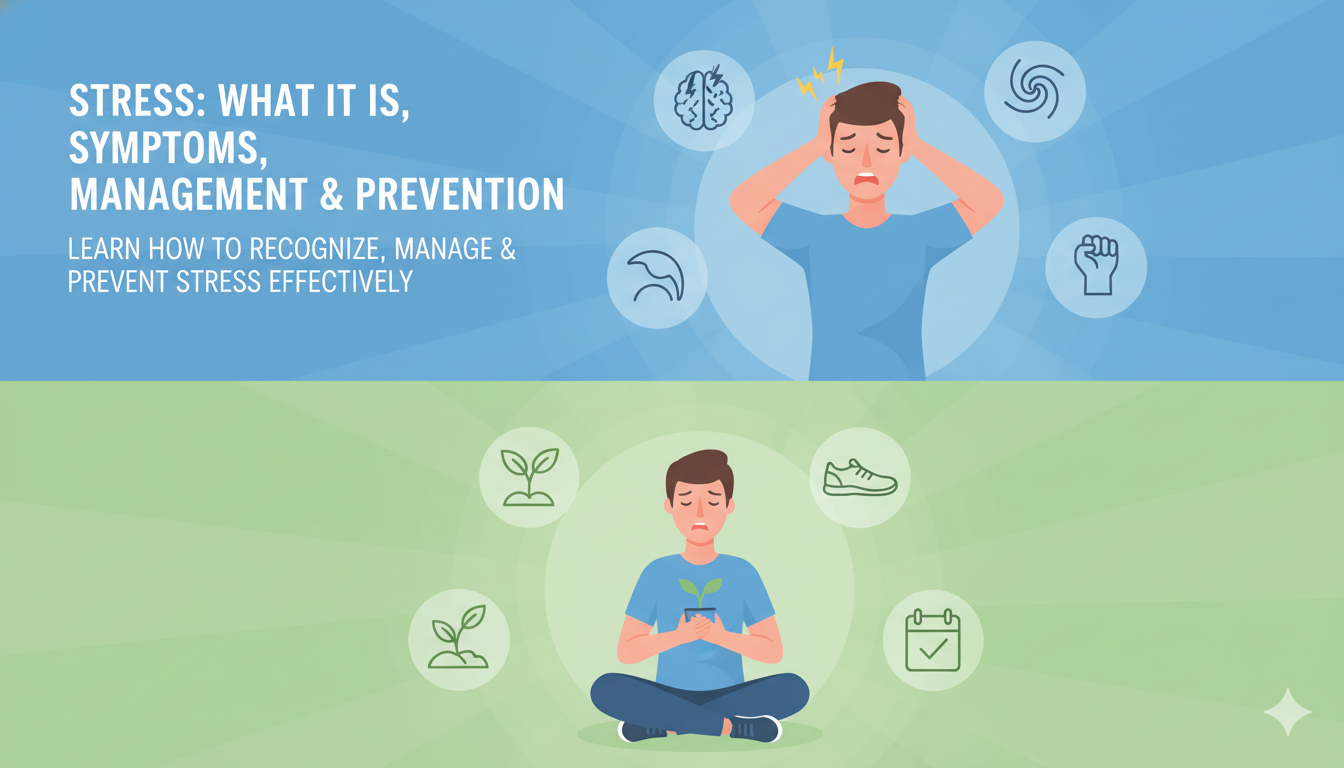
Stress is one of the most common mental and physical health concerns in the United States today. Whether it stems from work pressure, family responsibilities, financial uncertainty, or emotional overload, unmanaged stress can impact nearly every part of life — from daily mood to long-term health. While stress is normal and even helpful in small doses, constant or chronic stress can become overwhelming without proper support.
Many people turn to licensed therapists, online mental health services, and targeted stress management techniques to regain control and feel emotionally balanced again. This guide breaks down what stress really is, how it shows up in the body and mind, and what effective steps you can take to both manage and prevent it.
Understanding Stress: What It Really Means
Stress is the body’s natural reaction to perceived challenges or threats. When something triggers this response, your brain releases stress hormones like cortisol and adrenaline, preparing your body for “fight or flight.”
In small doses, this reaction helps you stay alert, motivated, and focused. But when stress lingers or becomes a daily experience, it turns into chronic stress — which can affect mental health, physical health, and relationships.
People searching for “what is stress,” “symptoms of stress,” “how to manage stress,” and “stress prevention tips” are often looking for clear, actionable information, which this guide provides.
Most Common Symptoms of Stress
Stress affects people differently, but common symptoms appear across physical, emotional, and behavioral patterns.
Physical Symptoms
- Headaches or migraines
- Muscle tension, especially in the neck and shoulders
- Fatigue or exhaustion
- Rapid heartbeat
- Upset stomach or digestive issues
- Sleep problems
Emotional Symptoms
- Feeling overwhelmed or anxious
- Mood swings
- Irritability
- Difficulty focusing
- Low motivation
Behavioral Symptoms
- Changes in appetite
- Increased use of alcohol, nicotine, or caffeine
- Withdrawal from friends or activities
- Difficulty completing tasks
Many individuals search terms like “stress symptoms in adults,” “high cortisol signs,” “can stress cause fatigue,” and “does stress affect sleep” — all reflecting growing awareness of how emotional strain shows up physically.
What Causes Stress?
Some stressors are sudden, while others build over time. The most searched causes include:
Common Triggers
- Work pressure or job insecurity
- Family conflict
- Relationship challenges
- Financial struggles
- Trauma or health issues
- Major life transitions
- Social comparison or digital overwhelm
Understanding the root cause is the first step toward meaningful relief. Many people ask, “Why am I stressed all the time?” or “What causes chronic stress?”, making root-cause education essential.
Effective Ways to Manage Stress (Backed by Experts)
People often search for “how to reduce stress quickly,” “stress management techniques,” “how to stay calm,” and “best coping strategies for stress.” Below is a blend of practical and therapeutic methods used by mental health professionals.
1. Work With a Licensed Therapist
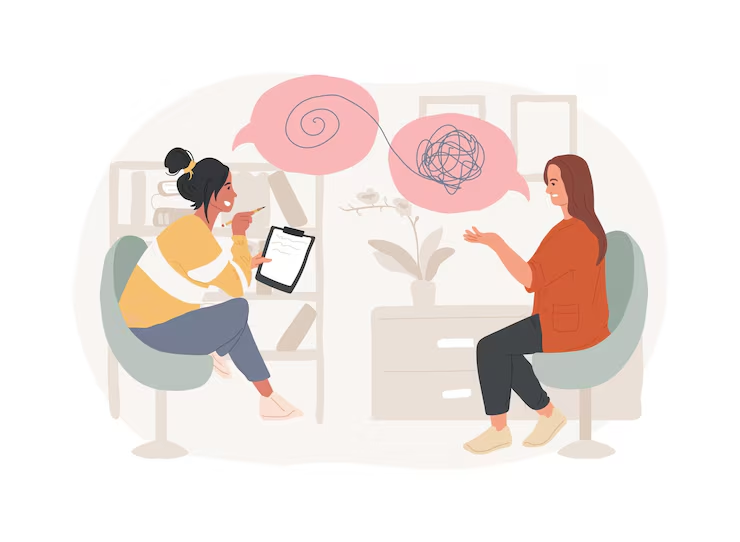
A licensed therapist can help you identify stress triggers, challenge unhealthy thought patterns, and build effective coping skills. Therapy is one of the most reliable ways to improve stress resilience.
Many adults prefer online mental health services because they’re private, flexible, and accessible — making support easier to maintain.
2. Try Online Therapy for Anxiety & Stress
Online therapy is especially popular among those searching for:
- online therapy California
- online therapy for anxiety
- virtual counseling for stress
- affordable online mental health support
Online therapy allows individuals to get consistent care without worrying about scheduling or commuting — a major benefit for people experiencing overwhelm.
3. Practice Mind–Body Techniques
- Deep breathing
- Progressive muscle relaxation
- Meditation
- Guided imagery
- Yoga
These techniques help lower cortisol levels and improve emotional regulation.
4. Prioritize Daily Healthy Habits
- Regular sleep schedule
- Balanced eating
- Adequate hydration
- Routine exercise
Lifestyle changes play a huge role in long-term stress reduction.
5. Improve Time & Task Management
Learning to set boundaries, split tasks into manageable steps, and say “no” when needed can significantly reduce daily pressure.
6. Stay Connected
Emotional support from family, friends, or support groups helps protect against chronic stress.
7. Consider Professional Evaluation
If stress contributes to anxiety, depression, burnout, or panic attacks, a licensed therapist can help determine whether additional support or medical evaluation is needed.
Prevention: How to Reduce Stress Before It Builds Up
A major search trend today is “how to prevent stress before it happens.” Stress prevention is achievable with consistent habits.
Proactive Ways to Prevent Stress
- Build a stable routine
- Set healthy boundaries
- Limit digital overload
- Stay physically active
- Practice gratitude or journaling
- Maintain social connections
- Schedule regular check-ins with a therapist
The goal isn’t to eliminate stress — it’s to manage it before it overwhelms you.
When to Seek Professional Support
If your stress:
- interferes with work, school, or relationships
- causes sleep problems
- triggers anxiety or panic
- leads to irritability or emotional overload
- makes you feel “not like yourself”
…it may be time to speak with a licensed therapist or try online mental health services.
How I Got U Corp Can Help
I Got U Corp provides compassionate, professional therapy tailored to your needs. Whether you prefer in-person sessions or online therapy California, our team supports individuals dealing with stress, anxiety, emotional overwhelm, and major life transitions.
Our services make it easy to get help — without judgment, without pressure, and at your own pace.
Frequently Asked Questions (People Also Ask)
1. What are the first signs of stress?
Headaches, irritability, fatigue, and difficulty concentrating are common early symptoms.
2. Can stress cause long-term health problems?
Yes. Chronic stress may lead to anxiety, depression, high blood pressure, or digestive problems.
3. How can I calm down immediately during stress?
Deep breathing, grounding exercises, and short walks work quickly to lower tension.
4. Does online therapy help with stress?
Absolutely. Many people search for online therapy for anxiety because virtual sessions make it easier to get consistent support.
5. When should I seek professional help?
If stress affects daily life, mood, sleep, or relationships, speaking with a licensed therapist is highly recommended.
Contact IGotU Corp — Get Support Today
- Address:
9431 Haven Ave, Suite 100-151, Rancho Cucamonga, CA, 91730 - Phone:
909.325.7949 - Email:
Noworries@igotucorp.com
You don’t have to manage stress alone.
Reach out today — your mental well-being matters.
Recent Posts
Related Posts
Live Anywhere with Your Pet: Emotional Support Animal Letter California
Finding pet-friendly housing in California is challenging. With “no pets” policies dominating rental markets from San Francisco to San Diego,...
2026’s Checklist for Choosing the Best Depression Treatment Centers
Finding the right depression treatment center in 2026 feels less like a medical appointment and more like choosing a partner...

Get Your Emotional Support Animal Letter California Today (2026 Process)
If you’re struggling with anxiety, depression, PTSD, or other mental health challenges in California, an Emotional Support Animal (ESA) can provide invaluable...
Finding the Licensed Therapists in California and Online Options
Introduction: Why Finding the Right Therapist Matters Mental health is just as important as physical health, and more people in...
Evolution of the 8 Minute Rule Therapy: What’s Different Now
The 8 minute rule therapy has fundamentally shaped how physical therapists, occupational therapists, and speech-language pathologists bill for time-based services...