

Healing from trauma is a profound and deeply personal journey that requires time, patience, and the right strategies. Whether the trauma is from a single event or chronic, emotional trauma recovery is possible, though it can feel daunting at first. Understanding what trauma is, recognizing the signs of unresolved trauma, and learning the steps to heal can empower individuals to reclaim their emotional well-being.
This article explores healing from trauma, outlining the importance of therapy, trauma-informed care, and practical strategies to overcome the lingering effects of trauma. If you or someone you know is struggling with past trauma, this guide offers insights into navigating the path to healing.
What is Emotional or Psychological Trauma?
Emotional trauma refers to the distressing emotional response one experiences after a deeply distressing event or series of events. Trauma can stem from physical, sexual, or emotional abuse, accidents, the loss of a loved one, or prolonged stressful experiences like bullying or witnessing violence.
Psychological trauma can manifest in many ways, ranging from feelings of helplessness and fear to physical symptoms such as a racing heart or difficulty sleeping. The impact of emotional trauma often lingers long after the event itself, influencing one’s emotional and mental health for years to come.
Trauma can be categorized into two types:
-
Acute Trauma: This results from a single distressing event (e.g., car accidents, sudden loss).
-
Chronic Trauma: This involves repeated and prolonged exposure to harmful situations (e.g., childhood abuse, domestic violence).
Healing from trauma involves confronting the emotional pain associated with these events, reprocessing memories, and learning healthy coping mechanisms.
Signs You Haven’t Healed from Past Trauma
Healing from trauma can be a slow and gradual process, and it may not always follow a straight path. Many individuals may struggle with trauma-related symptoms even years after the traumatic event has passed. Below are signs that you may not have healed from past trauma:
1. Persistent Negative Emotions
If you continue to experience intense emotions such as fear, shame, guilt, anger, or sadness, it could indicate that trauma has not been fully processed. These emotions may surface unexpectedly or be triggered by seemingly unrelated situations.
2. Avoidance Behaviors
Avoiding places, people, or activities that remind you of the trauma is a common sign that you haven’t healed. This behavior can lead to isolation and reinforce feelings of helplessness.
3. Intrusive Memories or Flashbacks
Flashbacks and intrusive memories are signs that the trauma is still affecting your emotional well-being. These experiences often cause a person to feel as if they are reliving the traumatic event.
4. Difficulty Trusting Others
Trauma can significantly impact your ability to trust people. If you feel constantly guarded or unable to connect with others, it may be a sign that the trauma is still affecting your emotional state.
5. Physical Symptoms of Stress
Chronic stress from unresolved trauma can lead to physical symptoms such as headaches, stomach issues, fatigue, or sleep disturbances. These symptoms may worsen over time if not addressed.
6. Hypervigilance or Anxiety
Living in a constant state of alertness or feeling on edge is another indication that trauma has not been fully processed. Hypervigilance can lead to feelings of anxiety or panic.
7. Depression or Emotional Numbness
If you feel emotionally detached from yourself or others, it could be due to unresolved trauma. Emotional numbness is a protective mechanism that can develop when a person is overwhelmed by their emotions.
Recognizing these signs is the first step toward healing from trauma. While trauma recovery takes time, acknowledging that healing is possible is crucial for moving forward.
Steps and Strategies to Heal from Trauma
Healing from trauma is not a linear process, and each individual’s journey is unique. Several steps and strategies can aid in the emotional trauma recovery process.
1. Acknowledge and Validate Your Feelings
One of the first steps to healing from trauma is acknowledging that the trauma happened and validating your emotional experience. Avoiding or suppressing your feelings can prolong the recovery process. Understand that your feelings are valid and that it is okay to feel upset, sad, or angry about your experience.
2. Build a Support System
Having a strong support system of trusted friends, family, or support groups is vital during the healing process. The presence of compassionate individuals who listen, understand, and offer encouragement can provide comfort and validation.
Support from others can also help you gain a sense of safety and security, which is critical when healing from past trauma.
3. Engage in Self-Care Practices
Prioritizing self-care is essential for your emotional well-being. Activities such as exercise, meditation, journaling, and mindfulness can promote healing by helping you process your emotions and reduce stress. Consistent self-care also enhances your ability to manage emotional triggers that arise during the recovery process.
4. Focus on Mindfulness and Grounding Techniques
Mindfulness techniques, such as deep breathing and guided imagery, can help you stay grounded in the present moment and reduce overwhelming feelings tied to traumatic memories. These practices teach you to observe your thoughts without judgment, which can help you break the cycle of intrusive memories.
5. Reframe Negative Beliefs
Trauma can often leave individuals with negative beliefs about themselves, others, or the world. It is important to challenge and reframe these beliefs by learning healthier, more compassionate perspectives. This could involve self-compassion exercises or cognitive behavioral techniques aimed at changing negative thought patterns.
6. Forgiveness and Letting Go
While forgiveness may not be possible or appropriate for everyone, letting go of anger and resentment can be a liberating step in the healing process. Holding on to negative emotions can keep you tethered to the trauma. Letting go does not mean excusing the wrong, but rather releasing its hold on your emotional life.
7. Gradual Exposure to Trauma Memories
Gradual exposure to the memories of your trauma, also known as exposure therapy, can help you reduce the emotional charge of these memories over time. Working with a trauma therapist, you can slowly confront memories of the trauma in a controlled and safe environment, helping you desensitize to them and gain emotional distance.
8. Consider Creative Therapies
Engaging in creative activities such as art therapy, music therapy, or dance/movement therapy can provide a non-verbal outlet for processing difficult emotions. These therapies can promote healing by encouraging emotional expression and helping individuals reconnect with their bodies safely and positively.
Role of Therapy in Trauma Recovery
Trauma therapy plays a significant role in healing from trauma. A skilled therapist can help individuals reframe negative beliefs, reprocess traumatic memories, and develop healthy coping mechanisms. Therapy provides a safe space where individuals can work through the emotional pain and begin to rebuild their lives.
Types of Therapy Used for Trauma Recovery:
-
Cognitive Behavioral Therapy (CBT): CBT is widely used to help individuals understand and change harmful thought patterns. CBT helps identify distorted beliefs about trauma and reframes them into healthier perspectives.
-
Eye Movement Desensitization and Reprocessing (EMDR): EMDR is a specialized form of therapy that helps individuals process traumatic memories by stimulating both sides of the brain using bilateral stimulation (such as eye movements).
-
Somatic Therapy: This form of therapy addresses the mind-body connection, helping individuals release stored trauma in the body through movement, breathwork, and body awareness.
-
Dialectical Behavior Therapy (DBT): DBT can be used for individuals struggling with emotion regulation and self-destructive behaviors stemming from trauma. It focuses on mindfulness, emotional regulation, and building coping skills.
Benefits of Trauma Therapy:
-
Emotional Support: A therapist provides a safe, non-judgmental space where you can explore and express your feelings.
-
Guided Processing: Therapy helps individuals process and reframe traumatic memories in a healthy way, which reduces the emotional charge attached to those memories.
-
Skill-Building: Trauma therapy teaches individuals practical tools and coping mechanisms that they can use when faced with triggers or stressful situations.
-
Healing in a Safe Environment: Trauma-informed care ensures that therapy is conducted in a way that respects the individual’s experiences and avoids retraumatization.
How Long Does Trauma Healing Take?
There is no set timeline for trauma healing, as it varies significantly from person to person. Factors such as the nature of the trauma, personal coping mechanisms, support systems, and whether the individual seeks professional help all influence the duration of healing.
-
Short-Term Trauma Recovery: For some, healing from a single, isolated traumatic event may take a few months to a year, especially if they receive therapy and support.
-
Long-Term Recovery: For those dealing with complex or prolonged trauma (such as childhood abuse or chronic stress), the healing process may take years. This does not mean healing is impossible, but it does indicate the need for sustained care and patience.
The healing process involves a series of steps, and it is important to celebrate progress, no matter how small. Healing from trauma is not about “getting over it” but rather learning to live with the memories in a way that doesn’t hinder your emotional well-being.
Conclusion: Embracing the Healing Journey
Healing from trauma is a deeply personal process that requires patience, dedication, and support. By acknowledging the trauma, seeking therapy, practicing self-care, and learning coping strategies, you can reclaim your emotional well-being and move forward with greater resilience.
Trauma is not something that defines you, but how you choose to heal from it can shape your future. Whether you choose therapy, self-help techniques, or a combination of both, the journey toward healing is possible. You are not alone—there is support available to help you on your path to emotional trauma recovery.
If you are ready to begin your healing journey, reach out to I Got U Corp today. Our team of compassionate, trauma-informed professionals is here to guide you every step of the way. Start your path to healing with expert support and care.
Frequently Asked Questions (FAQs) About Healing from Trauma
1. What is emotional or psychological trauma?
Emotional or psychological trauma refers to the deep emotional wounds caused by distressing or overwhelming events. Trauma can result from a single event or prolonged exposure to harmful situations. It can lead to lasting mental, emotional, and physical effects.
2. How do I know if I haven’t healed from past trauma?
Signs of unresolved trauma include persistent negative emotions, flashbacks, difficulty trusting others, hypervigilance, avoidance of trauma-related situations, and physical symptoms like fatigue or headaches. If these symptoms persist, it may indicate that trauma has not been fully processed.
3. What are the first steps in healing from trauma?
The first step in healing from trauma is acknowledging the experience and validating your emotions. Building a support system, engaging in self-care, and starting therapy are crucial steps. Mindfulness practices and gradually confronting painful memories can also support recovery.
4. What role does therapy play in trauma recovery?
Therapy is a vital part of trauma recovery. It provides a safe space to process painful memories and emotions, learn coping mechanisms, and build resilience. Different therapies, like Cognitive Behavioral Therapy (CBT), EMDR, and DBT, can help individuals process trauma in specific ways.
5. How long does it take to heal from trauma?
Healing from trauma varies for each individual. It can take anywhere from a few months for more isolated incidents to several years for complex or chronic trauma. The duration depends on factors such as the severity of the trauma, support received, and individual coping skills.
6. Is trauma recovery possible without therapy?
While therapy is a highly effective treatment, some individuals may find healing through self-care, mindfulness practices, or support groups. However, for many, professional therapy provides the tools needed to process trauma effectively and prevent re-traumatization.
7. What is trauma-informed care?
Trauma-informed care refers to an approach where healthcare providers and therapists understand and acknowledge the effects of trauma on an individual’s life. This care focuses on creating a safe environment, empowering individuals, and avoiding retraumatization.
Steps and Strategies to Heal from Trauma
| Step | Description | Benefits |
|---|---|---|
| Acknowledge and Validate | Recognize the trauma and validate your emotional experience. | Reduces feelings of shame, increases emotional awareness. |
| Build a Support System | Surround yourself with trusted individuals for emotional support. | Encourages healing, reduces isolation. |
| Self-Care Practices | Engage in activities like exercise, meditation, and creative outlets. | Relieves stress, improves emotional regulation. |
| Mindfulness and Grounding | Practice mindfulness exercises to stay grounded in the present. | Reduces anxiety and prevents rumination. |
| Reframe Negative Beliefs | Challenge and change negative thoughts formed by trauma. | Builds healthier perspectives, reduces self-blame. |
| Gradual Exposure to Trauma | Slowly confront painful memories in therapy (e.g., exposure therapy). | Desensitizes memories, reduces emotional charge. |
| Forgiveness and Letting Go | Let go of anger or resentment associated with trauma. | Promotes emotional freedom and reduces negative emotional ties. |
Contact Details:
If you or someone you know is struggling with past trauma and you are ready to begin the healing journey, I Got U Corp is here to help. Our team of trained professionals offers compassionate, trauma-informed care to support your recovery.
Phone:
Call us at for more information or to book a consultation.
Email:
For inquiries or appointment requests, email us at .
Website:
For additional resources, articles, and testimonials, visit our website at:
www.igotucorp.com
Office Address:
9431 Haven Ave suite 100-151, Rancho Cucamonga, CA 91730, United States
We are here to support you on your journey to healing. Reach out today to learn more about our services and how we can help you overcome past trauma.
Contact Us Now to learn more about how our trauma therapy services can support your recovery.
Recent Posts
Related Posts

Live Anywhere with Your Pet: Emotional Support Animal Letter California
Finding pet-friendly housing in California is challenging. With “no pets” policies dominating rental markets from San Francisco to San Diego,...
2026’s Checklist for Choosing the Best Depression Treatment Centers
Finding the right depression treatment center in 2026 feels less like a medical appointment and more like choosing a partner...

Get Your Emotional Support Animal Letter California Today (2026 Process)
If you’re struggling with anxiety, depression, PTSD, or other mental health challenges in California, an Emotional Support Animal (ESA) can provide invaluable...
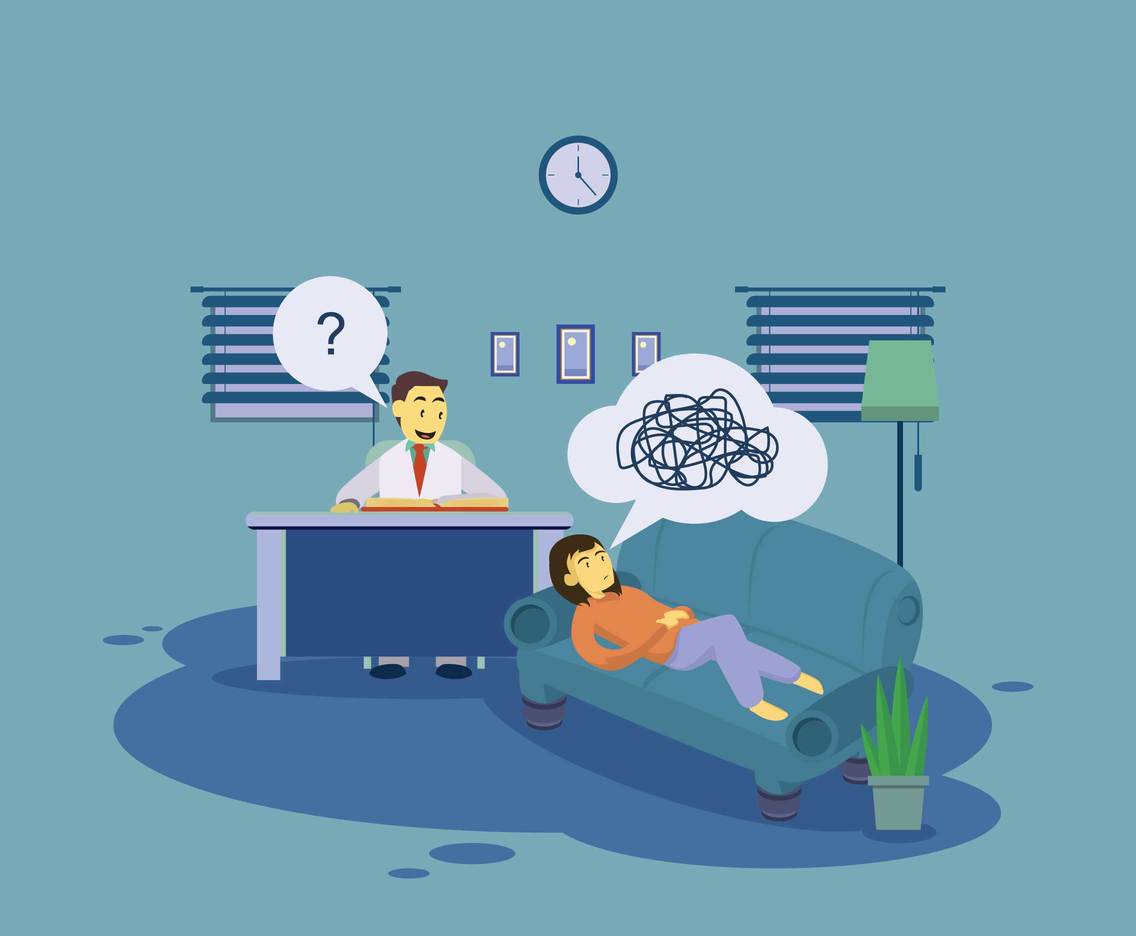
Finding the Licensed Therapists in California and Online Options
Introduction: Why Finding the Right Therapist Matters Mental health is just as important as physical health, and more people in...

Evolution of the 8 Minute Rule Therapy: What’s Different Now
The 8 minute rule therapy has fundamentally shaped how physical therapists, occupational therapists, and speech-language pathologists bill for time-based services...