
Aude Castagna, MFT explores the reasons people can be compulsive pleasers and caretakers, even in the face of toxic behaviors and to their own detriment. She offers some guidance around how to start the process of change.
Codependency meaning, symptoms, warning and treatment
February 16, 2021
Attachment Styles in Childhood and Their Role in Codependency
We start Life as helpless infants totally dependent on our caregivers, and we are hardwired to forgo their shortcomings for the sake of our survival, even at the cost of our safety or integrity.
Secure attachment
When a child’s needs are met quickly and reliably when she receives enough attuned attention from their primary caregivers, she develops a secure attachment that comes with a feeling that she is safe, unconditionally loved, and that she belongs/has a place in that family. From this solid platform, the child develops a sense of self, of who she is, what she likes and dislikes. She uses her confidence to know that she can safely explore the world, take risks, even make mistakes. Ultimately she will develop into a separate, independent adult.
Insecure attachment
With less present or attuned parents, a child develops an insecure attachment. He may not feel safe in this family, may not feel he can rely on it for support because his needs are not met, love is only given conditionally: if he is a good boy, compliant, at the parents’ service. Hardwired to need a stable family, he will attend to the relationship with her caregivers for survival. He may feel his job is to calm dad, to protect mom, to fix their marriage or any dynamics with other siblings. The price to pay is giving up on having needs and wants and believing others’ needs should always come first. This can lead to feelings of helplessness, low self-esteem, and a lifelong quest to find external validation that can lead to dependency on others.
Codependency
The word “codependent” has been overused, we are talking here about the enabler, partner of an addict, but of a common attachment issue that makes some people feel they need to work too hard in relationships, in order to maintain them. The compulsive relationship pattern of the ‘pleaser’ or ‘caretaker’ can be witnessed at home, at work, or any community in the form of over-empathic caretaking of relationships, taken on others’ burdens when not necessary, often placing a lower priority on one’s own needs, while being excessively preoccupied with the needs of others, lack of boundaries, difficulty saying no and acknowledging ‘red flags’, disrespectful or even toxic behaviors from others.
Fear of Abandonment
The codependent person may be needy and controlling in her relationships as a result of depending so strongly on them to feel safe and whole. This can exacerbate her fear of abandonment as it is terrifying to be alone when one hasn’t developed her sense of self and her personal resiliency skills. This tight, even smothering attachment pattern can be hard on partners and can create a self-fulfilling prophecy. A frustrated partner, feeling controlled or trapped, will end the relationship, that’s if he has healthy boundaries, or he will angrily abuse her if he is codependent himself.
Hope
If you feel you depend on others to validate you and make you feel Ok or whole, please offer yourself deep compassion. Your family of origin modeled for you a dysfunctional blueprint for relationships, planting a belief that self-worth comes from other people. This is not your fault, you probably didn’t even know there were other ways to relate to others and you just coped with the lack of attentive parenting in your early childhood the best way you knew. Attending to others’ needs above yours, attempting to fix or please your parents to secure your role in that family was the most efficient survival mechanism. This pattern continues later on in adult relationships, and the codependent person keeps making extreme sacrifices to satisfy their partner’s needs, unaware that she is worthy of love for who she is, not because of her submission or service to others. I put all of these codependent behaviors under the umbrella of “the things we do for Love!”
And it takes awareness and courage to start creating a new blueprint for yourself in your future relationships. With a consciousness of your patterns, self-compassion for your childhood adverse experiences, and some practice implementing boundaries, you will develop into a happier independent being.
Caring will become lighter, as you no longer feel the need to carry anyone’s burdens.
—-
Aude Castagna, MFT has a practice in Santa Cruz, Ca. Article original source via TherapyRoute.com.
Recent Posts
Related Posts
How to Set Boundaries Without Guilt: Stop People Pleasing
You said yes again. You knew while the words were leaving your mouth that you did not want to say...
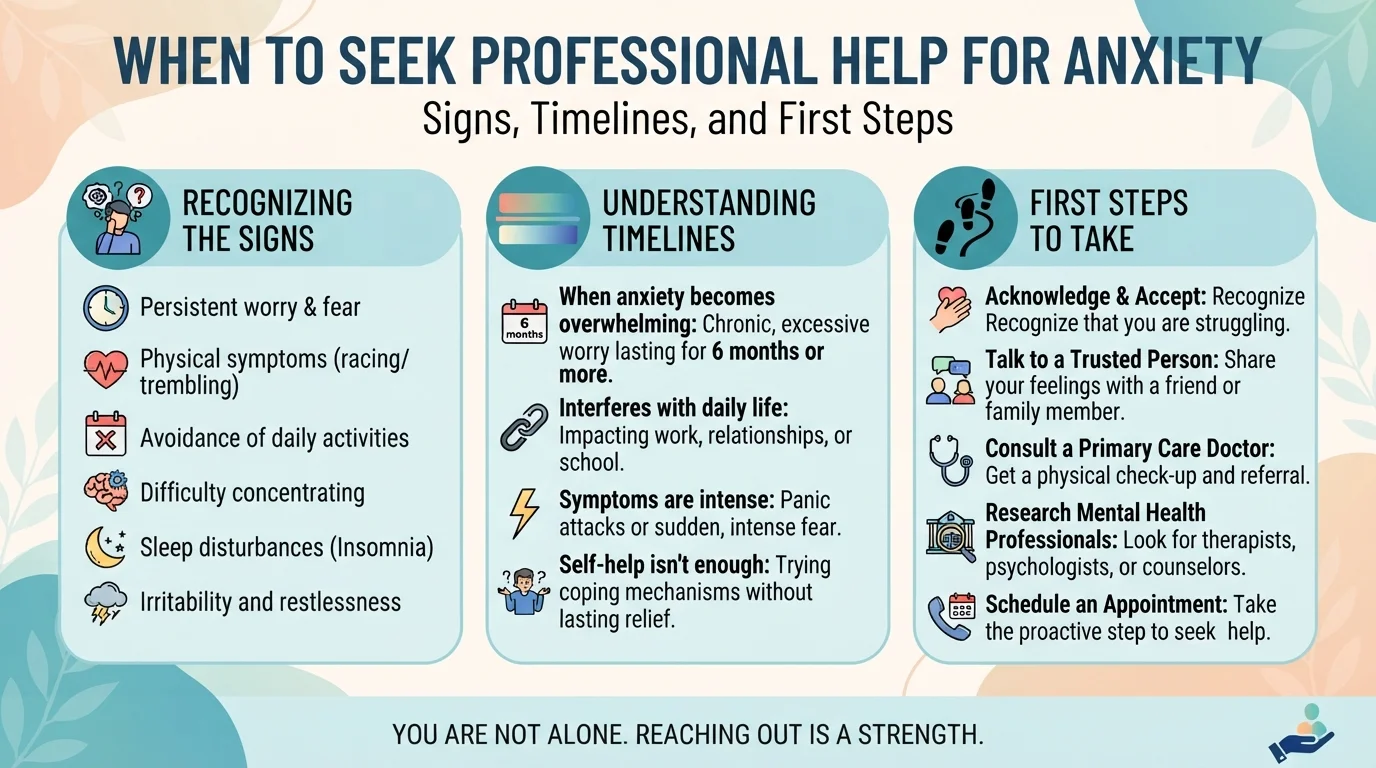
When to Seek Professional Help for Anxiety: Signs, Timelines, and First Steps
Anxiety (anxious distress) is the body's alarm response to a perceived threat, marked by worry, muscle tension, and a faster...
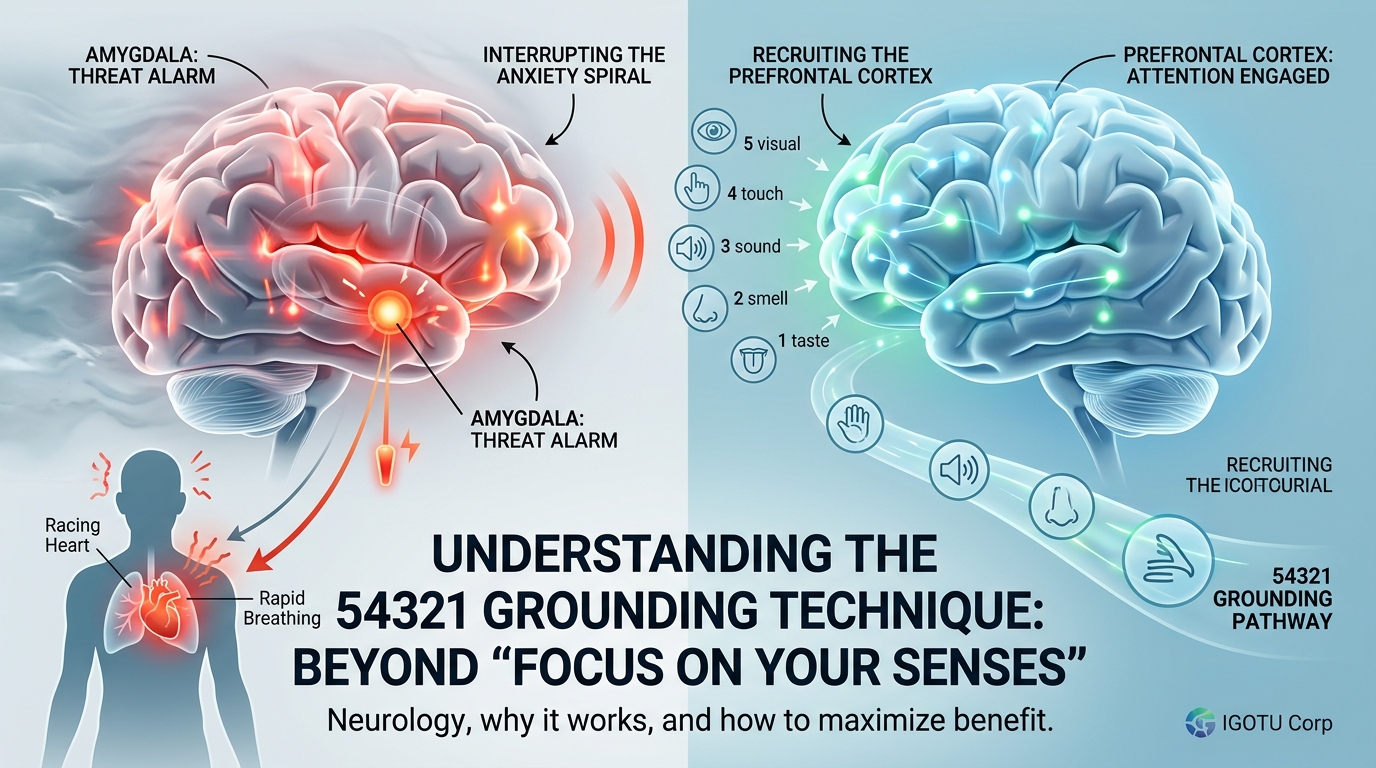
What Is the 54321 Grounding Technique? How Does It Actually Work?
If you have ever looked up what to do during a panic attack, an anxiety spiral, or a moment of...
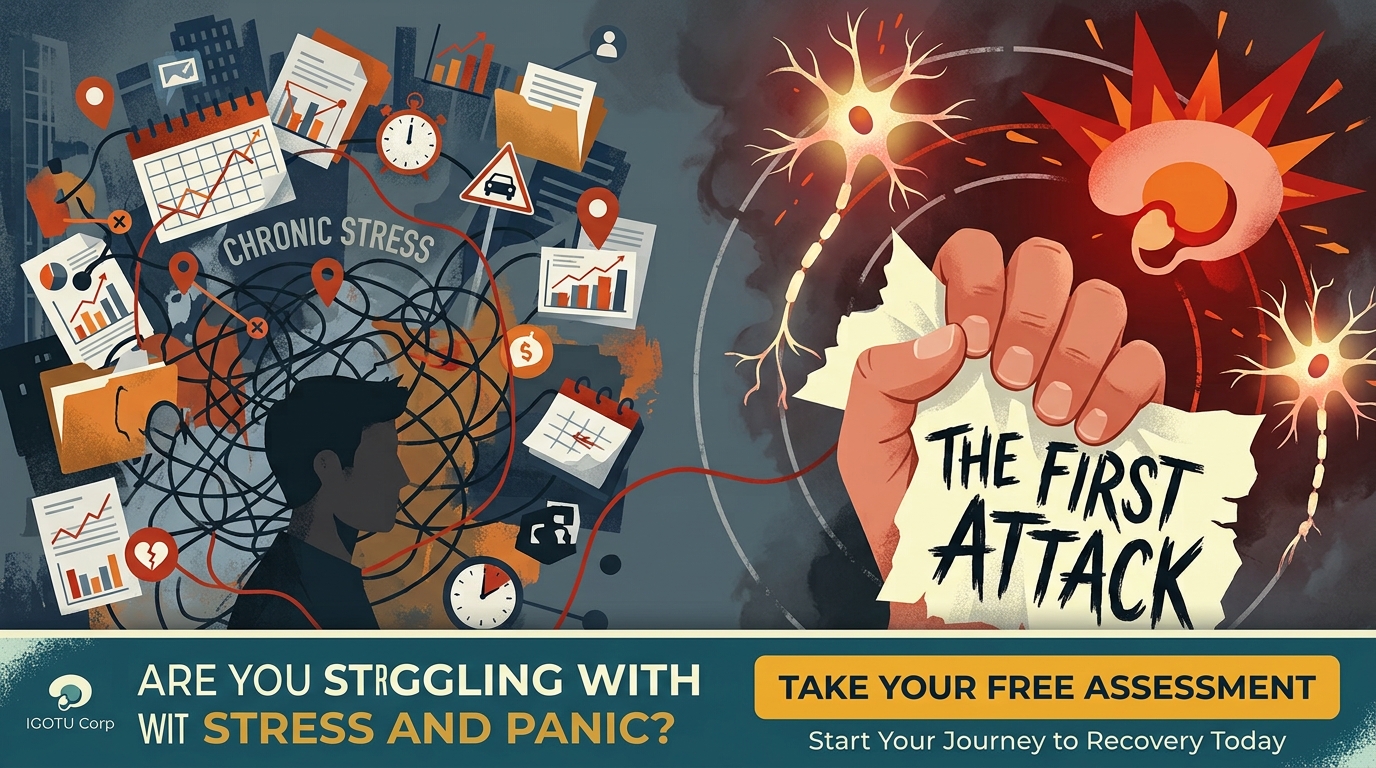
Can Stress Alone Cause Panic Disorder? IGOTU Corp Guide
The Question That Arrives After the First Attack You were not doing anything dramatic. You were not in danger. You...
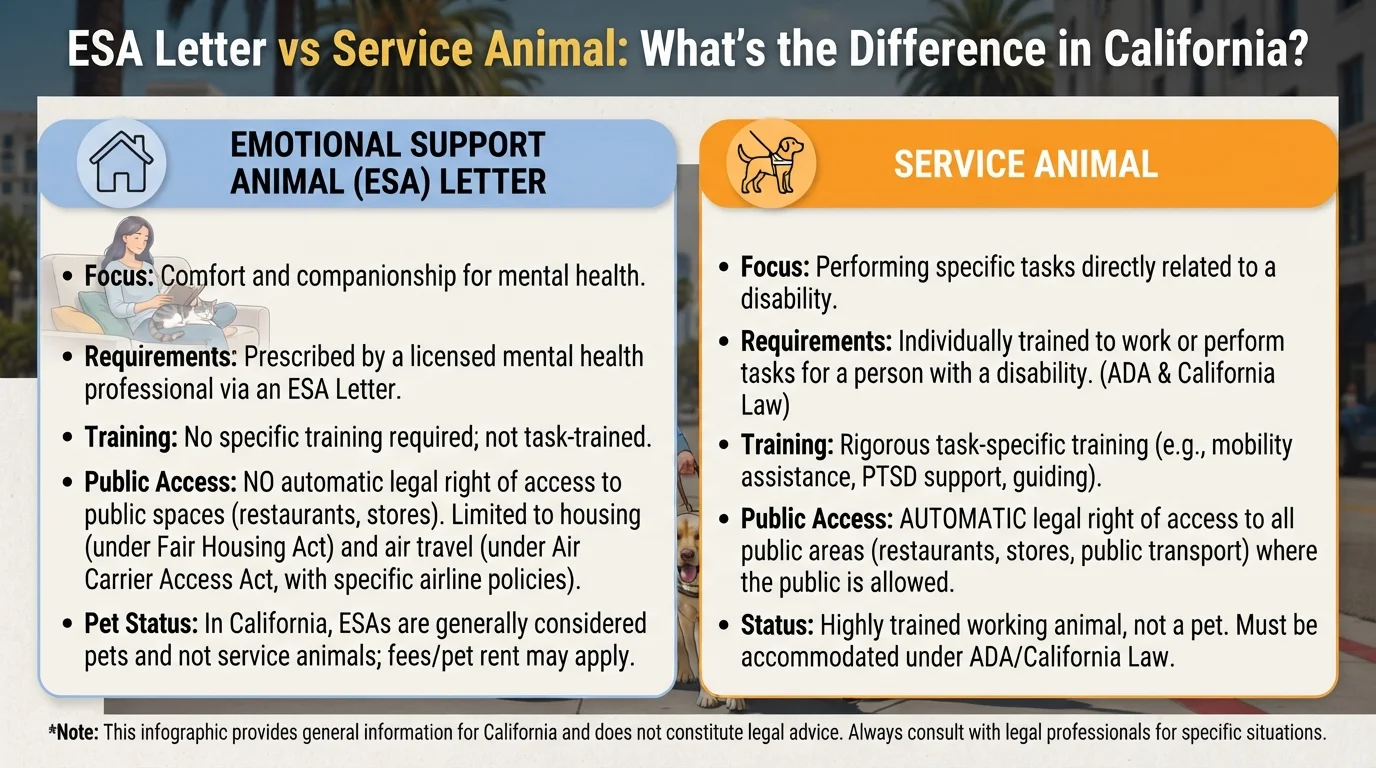
ESA Letter vs Service Animal: What’s the Difference in California?
An ESA letter and a service animal are not the same thing under California or federal law, and confusing the...