
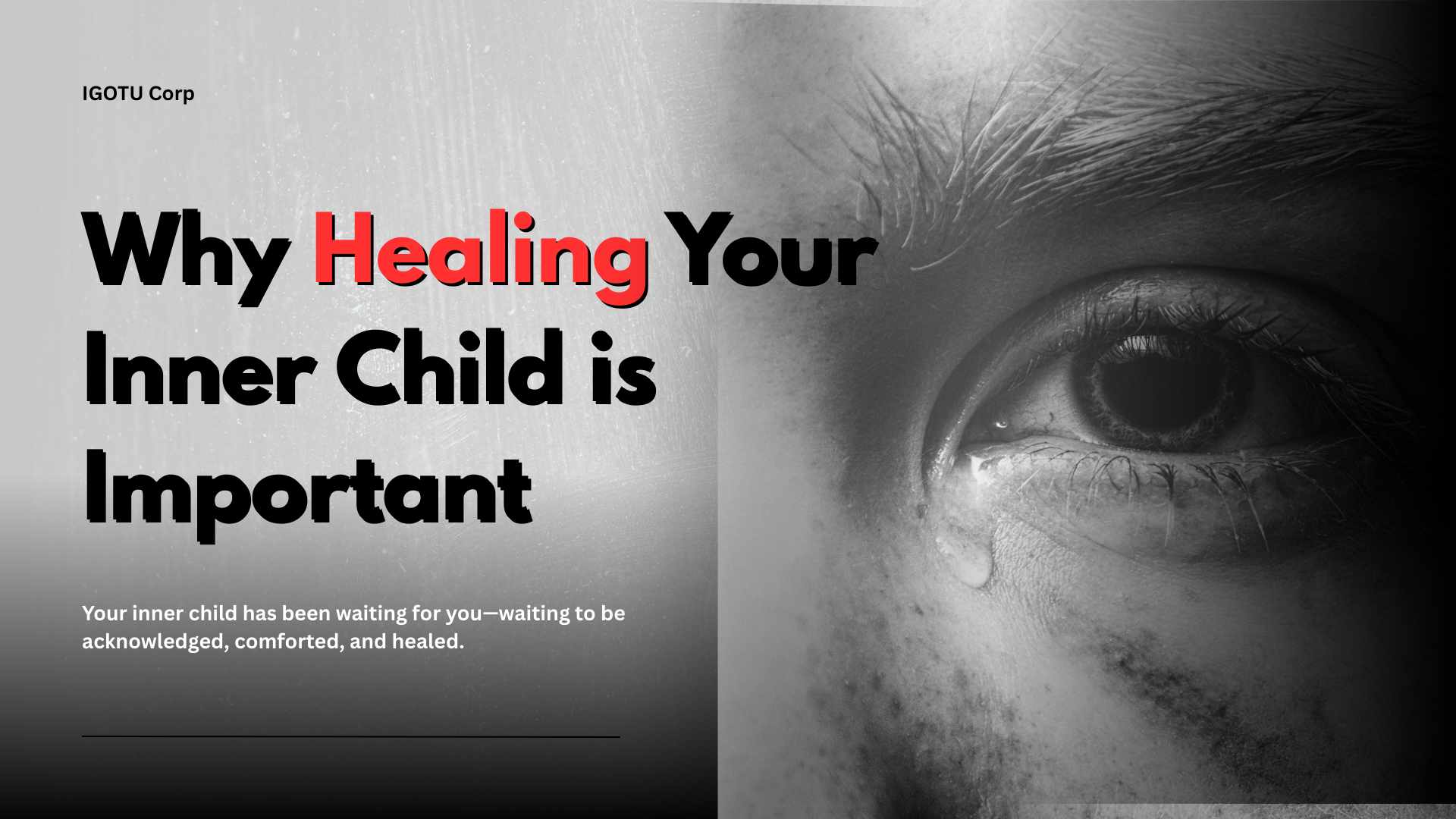
Have you ever snapped at someone over something small and thought, “Why did I react that way?” Or maybe you find yourself repeating the same relationship patterns, choosing partners who hurt you in familiar ways? Here’s something that might surprise you: that’s probably not your adult self responding; it’s your inner child.
At IGOTU Corp, we understand that true transformation starts from within. That’s why we’re passionate about helping people reconnect with the most vulnerable parts of themselves. Because when you heal your inner child, you don’t just change your past; you transform your entire future.
What Exactly Is Your Inner Child?
Let’s get one thing straight: your inner child isn’t some mystical concept floating around in self-help books. The theory suggests we all carry a metaphorical part of ourselves frozen in childhood, holding onto memories, emotions, and experiences from our earliest years.
Think of it this way. You’re not just the person you are today. You’re also still that five-year-old who needed comfort, that ten-year-old who craved validation, and that teenager who desperately wanted to belong. All those younger versions of you? They’re still inside, influencing your decisions, relationships, and how you see yourself.
Psychologist Carl Jung introduced the concept about 100 years ago, but it’s having a major moment right now. And for good reason; because understanding your inner child can literally change your life.
When Your Inner Child Needs Healing
So how do you know if your inner child is wounded? The signs are often hiding in plain sight.
Common signs of inner child wounds include low self-esteem, excessive self-criticism, fear of abandonment or rejection, difficulty setting boundaries, and people-pleasing behavior. You might also notice struggles with trust, recurring emotional patterns like intense anger or anxiety, or using coping mechanisms like perfectionism or emotional eating.
Here’s what really happens: when you were a kid and your emotional needs weren’t consistently met; whether through obvious trauma or subtler experiences like emotional dismissal; you internalized messages. Messages like “I’m not good enough” or “My feelings are too much” or “I need to earn love.”
These distorted beliefs become unconscious patterns that influence how we relate to ourselves and others in adulthood. That critical voice in your head? It’s often echoing someone from your past. Those relationship patterns you can’t seem to break? Your wounded inner child is unconsciously choosing what feels familiar, even if it’s painful.
How Childhood Wounds Show Up in Your Adult Life
Let me paint you a picture. Say your parents argued constantly when you were young. As a child, you learned to make yourself invisible; never talking back, trying not to rock the boat. Fast forward to today, and you find yourself avoiding conflict at all costs. You don’t speak up at work when something bothers you. You bite your tongue in relationships. You sacrifice your own needs to keep the peace.
That’s your inner child running the show, still trying to stay safe using the same strategies that protected you decades ago.
A child who didn’t feel valued may become an adult who either clings to others for validation or avoids connection entirely to protect themselves from pain. Someone whose emotions were dismissed in childhood might struggle to express feelings as an adult, bottling everything up until they explode; or shut down completely.
The patterns are everywhere once you start looking. That fear of abandonment? That’s your inner child who learned love was conditional. The perfectionism? Your younger self trying to finally be “good enough” to earn approval. The people-pleasing? A survival strategy from when saying “no” felt dangerous.
Ready to start your healing journey? At IGOTU Corp, we provide resources and support to help you reconnect with your inner child in safe, transformative ways. Because healing isn’t a destination; it’s a journey, and you don’t have to walk it alone. [Explore our inner child healing programs today.]
The Life-Changing Benefits of Inner Child Work
Now here’s the good news: healing your inner child isn’t just possible; it’s transformative.
By addressing and healing unresolved wounds, you can experience increased self-awareness and self-esteem, improved relationships, better emotional regulation, deeper self-love and acceptance, and greater clarity in life.
Let’s break that down. When you start doing inner child work, something fundamental shifts. The foundational benefit is developing self-awareness, which lays the groundwork for all other kinds of personal and professional growth. You begin to understand why you react the way you do. Those triggers? They start making sense. Those patterns? You can finally see them clearly.
But it goes deeper than awareness. Inner child work promotes feelings of autonomy and competence, especially if you grew up in a controlling environment. You stop feeling stuck at a certain age, unable to make your own decisions. You reclaim your power to choose.
Your relationships transform too. When you work through past traumas and learn to nurture your inner self, you become better equipped for healthy connections. You can set boundaries without guilt. You can express your needs without fear. You can show vulnerability without expecting punishment.
And here’s something beautiful: healing your inner child can revitalize your sense of awe, fun, spontaneity, and magic in life. Remember when you were a kid and everything felt possible? When you could spend hours lost in imagination? That capacity for joy and wonder isn’t gone; it’s just been buried under years of hurt. Inner child work helps you reclaim it.
How Your Inner Child Affects Everything
The ripple effects of a wounded inner child are enormous. More than two-thirds of children in the U.S. experience at least one traumatic event before age sixteen, and untreated childhood trauma can lead to PTSD, depression, anxiety disorders, eating disorders, substance use disorder, and chronic stress.
But it’s not just about major trauma. Even subtle emotional neglect; when a child’s need for comfort, validation, or acknowledgment goes consistently unmet; can shape your inner world in lasting ways. Common signs that emotional neglect may have wounded your inner child include struggling to express or even recognize your needs, difficulty trusting others or setting boundaries, and people-pleasing or avoidant behavior.
Think about parenting for a moment. Unhealed wounds can surface as impatience, frustration, or difficulty regulating emotions when caring for children. Your inner child’s pain doesn’t just affect you; it can influence how you show up for the next generation. But here’s the hope: when you do the work to heal, you break cycles. You create healthier patterns for your children to learn from.
Starting Your Healing Journey
So how do you actually heal your inner child? The process is both simple and profound.
First, you need to notice your triggers. When you get upset, frustrated, or feel emotional pain, pay attention to what’s happening around you and who you’re talking to. These moments are breadcrumbs leading you back to childhood wounds.
Meditation can be particularly powerful for inner child work, as it boosts mindful self-awareness and helps you get more comfortable with unwanted emotions. Try visualization meditation where you picture your younger self. What do they look like? What do they need? What would you say to them?
Journaling is another powerful tool. Write letters to your younger self. What did that child need to hear? What would you tell them now, with your adult wisdom and compassion? You can also journal from your inner child’s perspective, letting that younger voice express feelings that were silenced long ago.
Self-compassion is crucial. How we were taken care of by adults as children is often how we take care of ourselves as adults. If you were criticized, you probably criticize yourself. If your emotions were dismissed, you probably dismiss your own feelings. Inner child work means learning to give yourself what you didn’t get then; validation, protection, unconditional love.
When to Seek Professional Support
Here’s something important: for those who’ve experienced bigger traumas, especially abuse or neglect, healing is better served under the guidance of a therapist trained in internal family systems. A lot of trauma happens without safety, and meeting your inner child in a space of relational safety with a professional can be deeply healing.
Evidence-based treatments including Trauma-Focused Cognitive Behavioral Therapy and Eye Movement Desensitization and Reprocessing (EMDR) are therapies that can effectively address childhood trauma. These approaches help you process memories and experiences in ways that reduce their power over your present life.
The key is not to rush the process. There’s no wrong time to begin inner child work; do it in a way that feels right for you. Trust your pace. Honor your readiness. And remember that healing isn’t linear. Some days you’ll feel empowered and free. Other days, old wounds might ache. Both are part of the journey.
Your Inner Child Is Worth It
Look, I get it. This work isn’t easy. It can feel vulnerable and scary to revisit painful memories. It can be uncomfortable to acknowledge the ways you’re still carrying childhood wounds. Sometimes, it might even feel easier to just keep going the way you have been.
But here’s what I know: when we ignore the inner child in our psyche, as adults we feel disconnected from life, tired, empty, and unhappy. Those patterns you keep repeating? They’ll keep repeating until you address their source. That weight you’re carrying? It doesn’t have to be yours forever.
Healing your inner child means finally giving that younger version of you what they always deserved: to be seen, heard, valued, and loved. It means breaking free from survival strategies that no longer serve you. It means reclaiming your capacity for joy, connection, and authentic living.
Take the First Step Today
Your inner child has been waiting for you; waiting to be acknowledged, comforted, and healed. The beautiful thing is, you can give yourself what you needed then, right now. You have the power to reparent yourself with compassion, to validate feelings that were dismissed, to create the safety that was missing.
At IGOTU Corp, we’re committed to supporting you on this transformative journey. Whether through our guided programs, therapeutic resources, or community support, we’re here to help you reconnect with the most authentic parts of yourself. Because when you heal your inner child, you don’t just change your life; you change your entire relationship with yourself and the world around you.
Your wounded inner child carried you through difficult times with the best strategies they had. Now it’s time to let your adult self carry them toward healing. They’ve been waiting long enough.
Ready to begin? Visit IGOTU Corp today and discover the resources that will guide you home to yourself.
Recent Posts
Related Posts
Live Anywhere with Your Pet: Emotional Support Animal Letter California
Finding pet-friendly housing in California is challenging. With “no pets” policies dominating rental markets from San Francisco to San Diego,...
2026’s Checklist for Choosing the Best Depression Treatment Centers
Finding the right depression treatment center in 2026 feels less like a medical appointment and more like choosing a partner...

Get Your Emotional Support Animal Letter California Today (2026 Process)
If you’re struggling with anxiety, depression, PTSD, or other mental health challenges in California, an Emotional Support Animal (ESA) can provide invaluable...
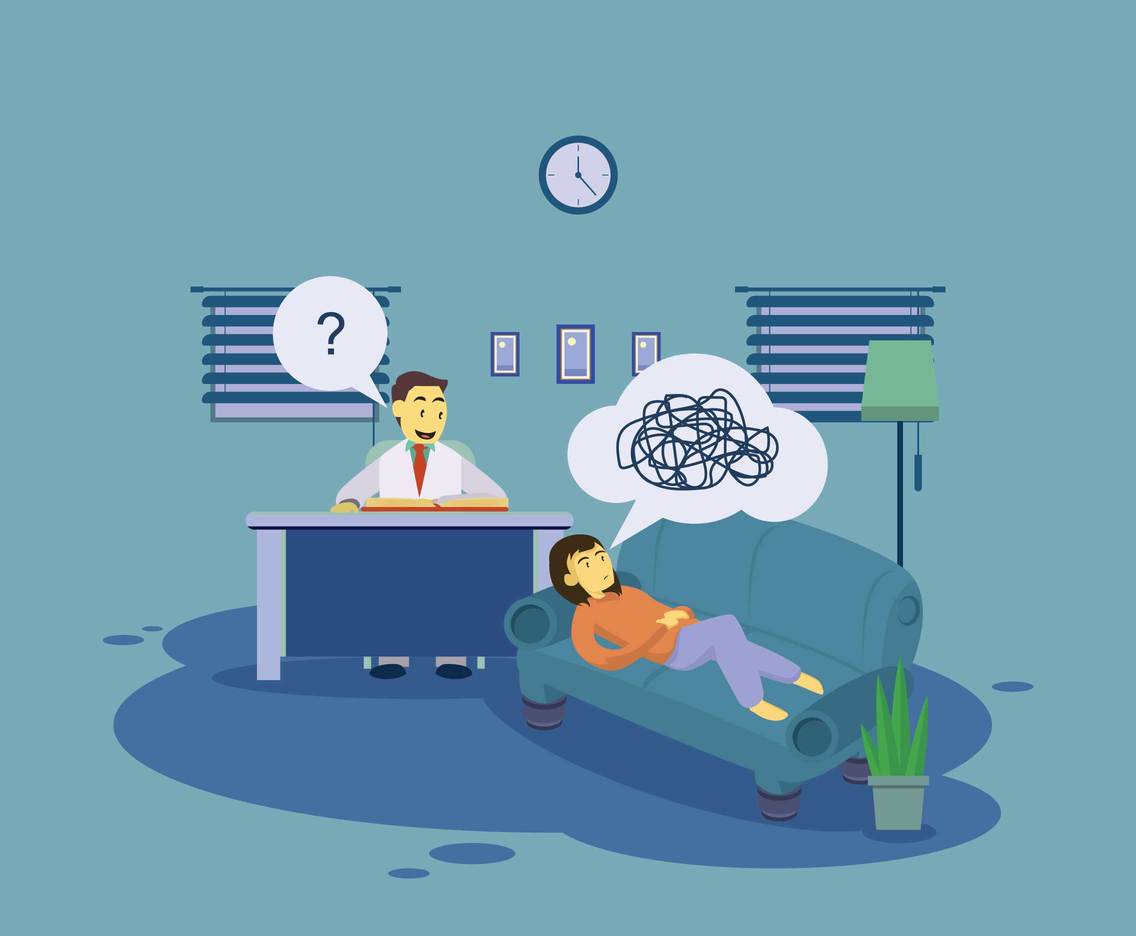
Finding the Licensed Therapists in California and Online Options
Introduction: Why Finding the Right Therapist Matters Mental health is just as important as physical health, and more people in...
Evolution of the 8 Minute Rule Therapy: What’s Different Now
The 8 minute rule therapy has fundamentally shaped how physical therapists, occupational therapists, and speech-language pathologists bill for time-based services...