

Cognitive Behavioral Therapy (CBT) is one of the most effective and widely used approaches in modern psychotherapy. Whether you’re struggling with anxiety, depression, trauma, or simply feeling stuck in negative thinking patterns, CBT can help you develop tools to change your thoughts and behaviors for a more balanced and fulfilling life.
If you’re considering starting Cognitive Behavioral Therapy (CBT), it’s natural to wonder what to expect in your first session. This guide is designed to walk you through the process, helping you feel prepared, empowered, and confident as you take this important step in your mental health journey.
Understanding Cognitive Behavioral Therapy (CBT)
Cognitive Behavioral Therapy (CBT) is a structured, goal-oriented form of psychotherapy focusing on the connection between thoughts, feelings, and behaviors. Unlike other forms of therapy that may delve deeply into past experiences, CBT emphasizes present issues and practical solutions.
In simple terms, CBT teaches you how to identify and challenge unhelpful thought patterns and replace them with healthier ones. Over time, this shift in thinking can lead to meaningful improvements in emotional well-being and everyday functioning.
Key Benefits of CBT Include:
-
Improved emotional regulation
-
Better coping skills for stress, anxiety, or depression
-
Clearer thinking and reduced mental fog
-
Enhanced problem-solving abilities
-
Increased self-awareness and resilience
Before the First Appointment
Before your first Cognitive Behavioral Therapy (CBT) session, there are a few things you can do to prepare:
-
Complete any intake forms provided by the therapy practice.
-
Make a list of concerns or issues you’d like to address.
-
Think about your goals: What do you want to achieve through therapy?
-
Find the right therapist: If you’re in California, search for “Cognitive Behavioral Therapy California” or “CBT therapist near me” to explore local professionals who specialize in your area of concern.
What Happens in the First CBT Session?
Your first session is primarily about assessment and orientation. It sets the foundation for the therapeutic process and helps you and your therapist get to know each other. Here’s what typically happens:
1. Intake and Assessment
At the beginning of the session, your therapist will likely conduct a thorough intake assessment. This includes:
| Area of Assessment | Description |
|---|---|
| Presenting Concerns | What brought you to therapy? What symptoms or challenges are you facing? |
| Mental Health History | Previous therapy experiences, diagnoses, or medications |
| Medical and Family Background | Physical health, family history of mental illness |
| Social and Work Life | Current support systems, job stress, and relationships |
This information helps the Mental Health therapist tailor the treatment plan to your specific needs.
2. Goal Setting
CBT is goal-focused. Your therapist will ask about what you hope to achieve. These goals can be as broad as “reduce anxiety” or as specific as “become more confident speaking in public.”
You’ll work together to create SMART goals:
-
Specific
-
Measurable
-
Achievable
-
Relevant
-
Time-bound
3. Explanation of CBT Principles
Your therapist will explain the core principles of Cognitive Behavioral Therapy (CBT). This might include:
-
The cognitive model (how thoughts influence emotions and behaviors)
-
Common cognitive distortions (like all-or-nothing thinking, catastrophizing)
-
How CBT differs from other therapeutic approaches
4. Building Rapport and Trust
A significant part of any therapeutic relationship is trust. Your first session gives you a chance to see if you feel comfortable with your therapist. You can ask questions such as:
-
What is your experience with treating anxiety/depression?
-
How long do CBT sessions typically last?
-
What does a typical CBT treatment plan look like?
Common CBT Techniques You May Encounter
In follow-up sessions, your therapist will begin introducing techniques and strategies to help you shift your thought patterns and behaviors. Here are a few common tools used in Cognitive Behavioral Therapy (CBT):
| Technique | Purpose |
|---|---|
| Cognitive Restructuring | Identify and challenge irrational or unhelpful thoughts |
| Behavioral Activation | Increase engagement in positive, rewarding activities |
| Exposure Therapy | Gradual exposure to feared situations reduces anxiety |
| Thought Records | Log situations, thoughts, emotions, and alternative responses |
| Relaxation Techniques | Breathing exercises, progressive muscle relaxation, and mindfulness |
| Homework Assignments | Practice skills outside of sessions |
These strategies are not one-size-fits-all. Your therapist will customize them based on your needs and therapy goals.
How Long Does CBT Take?
The number of sessions varies depending on the individual and the issue being treated. Generally, CBT is considered a short-term therapy and can range from 6 to 20 sessions.
| Condition | Approximate Number of CBT Sessions |
|---|---|
| Mild Depression | 6–12 sessions |
| Generalized Anxiety Disorder | 10–20 sessions |
| Panic Disorder | 8–16 sessions |
| PTSD | 12–20 sessions |
| OCD | 12–25 sessions |
Some people may benefit from ongoing maintenance sessions even after they feel better.
What You Should Know About CBT in California
California is home to a diverse community of licensed mental health professionals who specialize in Cognitive Behavioral Therapy (CBT). Whether you’re in Los Angeles, San Francisco, San Diego, or a smaller town, you can likely find experienced CBT therapists near you.
Many therapists offer virtual sessions, making it easier than ever to access care. When searching online, use phrases like “Cognitive Behavioral Therapy California” or “CBT therapist near me” to locate someone who fits your needs.
Tips for a Successful CBT Journey
-
Be Honest and Open: Your therapist can help best when you’re candid about your thoughts and feelings.
-
Stay Consistent: Regular attendance improves outcomes.
-
Do the Homework: Practicing skills outside sessions helps reinforce your learning.
-
Be Patient: Change takes time, especially when shifting long-standing thought patterns.
-
Ask Questions: Never hesitate to seek clarification on anything that confuses you.
Sample CBT Thought Record Template
Here’s an example of a basic thought record you might use in CBT:
| Situation | Automatic Thought | Emotion | Alternative Thought | Outcome |
|---|---|---|---|---|
| Gave a presentation | “I messed it all up.” | Anxiety (7/10) | “I prepared well and tried.” | Anxiety reduced (4/10) |
You’ll likely work on tools like this in your sessions to build awareness and gain control over automatic negative thinking.
When to Seek CBT
If you’re experiencing any of the following, it may be time to explore Cognitive Behavioral Therapy (CBT):
-
Persistent worry or anxious thoughts
-
Depressive symptoms like hopelessness or low energy
-
Avoidance behaviors
-
Low self-esteem or confidence issues
-
Difficulty managing stress
-
Intrusive thoughts or compulsions
Early intervention can prevent symptoms from worsening. The sooner you begin, the sooner you can start experiencing relief.
Conclusion: Take the First Step Toward Change
Your first CBT session is the beginning of a transformative journey. You don’t have to face your mental health challenges alone. Whether you’re new to therapy or revisiting it, knowing what to expect helps reduce uncertainty and anxiety.
If you’re searching for cognitive behavioral therapy in California or looking for a CBT therapist near me, IGotU Corp is here to support you. Our compassionate and highly trained therapists offer personalized CBT sessions—either in-person or online—tailored to your unique needs.
✅ Ready to Begin Your Journey Toward Healing?
Contact IGotU Corp today to schedule your first Cognitive Behavioral Therapy (CBT) session. Your mental wellness is just one step away.
📞 Call Now: 909 – 325 – 7949
🌐 Visit Us Online: https://igotucorp.com/
📍 Serving California – Virtual & In-Person CBT Options Available
Recent Posts
Related Posts

Live Anywhere with Your Pet: Emotional Support Animal Letter California
Finding pet-friendly housing in California is challenging. With “no pets” policies dominating rental markets from San Francisco to San Diego,...
2026’s Checklist for Choosing the Best Depression Treatment Centers
Finding the right depression treatment center in 2026 feels less like a medical appointment and more like choosing a partner...

Get Your Emotional Support Animal Letter California Today (2026 Process)
If you’re struggling with anxiety, depression, PTSD, or other mental health challenges in California, an Emotional Support Animal (ESA) can provide invaluable...
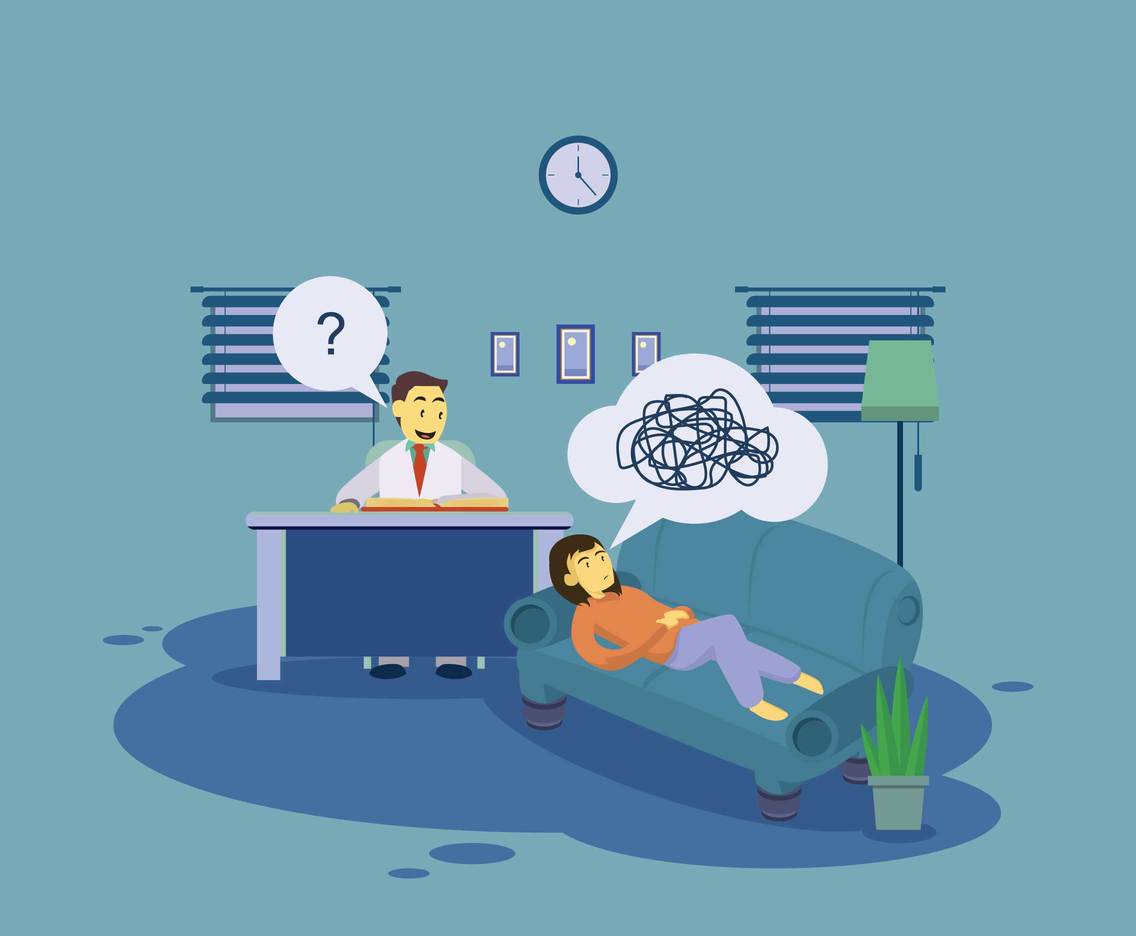
Finding the Licensed Therapists in California and Online Options
Introduction: Why Finding the Right Therapist Matters Mental health is just as important as physical health, and more people in...

Evolution of the 8 Minute Rule Therapy: What’s Different Now
The 8 minute rule therapy has fundamentally shaped how physical therapists, occupational therapists, and speech-language pathologists bill for time-based services...