

Why Jealousy is Hard to Spot?
Jealousy is an emotion most people experience at some point, but few openly admit to. Unlike anger or sadness, jealousy often hides beneath polite smiles, casual remarks, or subtle behaviors. Recognizing the subtle signs of jealousy is essential for strengthening emotional awareness, protecting your mental well-being, and improving relationships—whether with friends, family, or romantic partners.
In this comprehensive Mental Health guide, we’ll explore:
-
What are the hidden signs of jealousy?
-
How does jealousy affect relationships?
-
How to recognize jealousy in everyday life?
-
Healthy ways to deal with jealousy.
By the end, you’ll not only understand the unspoken cues of jealousy but also know how to respond with empathy, boundaries, and clarity.
What is Jealousy?
Jealousy is a complex emotional response triggered by fear of loss, insecurity, or comparison. It often arises when someone perceives a threat to their self-esteem, relationship, or social standing.
Psychologists describe jealousy as a mix of fear, envy, resentment, and insecurity. While envy focuses on wanting what someone else has, jealousy is often rooted in fear of losing what you already have (a relationship, attention, success).
Understanding jealousy requires emotional awareness—noticing not only how others express jealousy but also how it shows up in ourselves.
The Subtle Signs of Jealousy:
Jealousy rarely appears as someone saying, “I’m jealous of you.” Instead, it sneaks into behaviors, tone, and actions. Here are the most common subtle signs of jealousy to look for:
1. Backhanded Compliments
-
Example: “Wow, you got that promotion? Must have been luck!”
-
A disguised way of praising while undermining your success.
2. Constant Comparison
-
People may compare their achievements, looks, or lifestyle to yours.
-
It often feels competitive rather than supportive.
3. Excessive Criticism
-
Small flaws are magnified to bring you down.
-
Even when you achieve something good, they point out the negatives.
4. Imitation
-
Copying your style, speech, or choices can signal admiration mixed with jealousy.
5. Withdrawing or Silent Treatment
-
Jealousy may cause people to pull away when you share good news.
6. Dismissing Your Success
-
Statements like, “That’s not a big deal,” minimize your achievements.
7. Passive-Aggressive Behavior
-
Sarcasm, subtle digs, or jokes at your expense may be fueled by jealousy.
8. Gossip and Rumors
-
A jealous person may spread misinformation to damage your reputation.
9. Overly Competitive Attitude
-
Turning every situation into a competition instead of celebrating with you.
10. Lack of Genuine Support
-
Applauding less, smiling less, or showing indifference when you succeed.
How to Recognize Jealousy in Relationships?
Recognizing jealousy requires keen emotional awareness. It’s not always dramatic—it’s often hidden in tone, timing, and repeated behaviors.
Romantic Relationships
-
Clinginess: Fear of losing you leads to possessiveness.
-
Distrust: Constant questioning about where you are or who you’re with.
-
Comparison: “Why do you always notice other people more than me?”
Friendships
-
Competitive behavior: Always trying to outshine you.
-
Silent resentment: Not celebrating milestones with you.
-
Mocking achievements: Masking jealousy with humor.
Workplace
-
Undermining ideas: Subtly sabotaging your projects.
-
Taking credit: Downplaying your role in successes.
-
Avoidance: Excluding you from conversations or opportunities.
How Jealousy Affects Relationships
Unchecked jealousy can erode trust, communication, and intimacy. Here’s how:
| Type of Relationship | Effect of Jealousy | Example Behavior |
|---|---|---|
| Romantic | Distrust and arguments | Checking partner’s phone |
| Friendships | Distance and rivalry | Not celebrating achievements |
| Workplace | Toxic competition | Colleagues sabotaging each other |
| Family | Resentment and favoritism | Siblings comparing success |
Over time, jealousy can cause emotional exhaustion for both parties and lead to broken bonds.
How to Deal with Jealousy Healthily
Learning how to respond to jealousy—both in yourself and others—can prevent long-term damage.
If You Notice Jealousy in Others:
-
Stay calm – Don’t retaliate with anger.
-
Set boundaries – Limit how much you share with negative individuals.
-
Show empathy – Sometimes, jealousy stems from insecurity.
-
Address directly – If close, gently discuss what you’ve noticed.
If You Feel Jealous Yourself:
-
Acknowledge it – Emotional awareness starts with honesty.
-
Identify triggers – What makes you insecure?
-
Shift perspective – Turn comparison into inspiration.
-
Focus on gratitude – Appreciate your own achievements.
-
Seek therapy – If jealousy is harming your relationships.
Case Study: Jealousy in Friendships
Scenario: Maria noticed her friend stopped congratulating her after she got engaged. Instead, the friend began avoiding her and making sarcastic remarks.
Analysis: This was a classic example of subtle jealousy—masked as withdrawal and sarcasm.
Resolution: Maria had an open conversation, acknowledged her friend’s feelings, and reassured her that their friendship still mattered.
Lesson: Addressing jealousy with empathy can save meaningful relationships.
Building Emotional Awareness to Recognize Jealousy
Emotional awareness means tuning into your feelings and the unspoken emotions of others. To improve:
-
Practice mindfulness: Notice body language and tone.
-
Reflect daily: Journal about interactions.
-
Ask for feedback: Trusted friends can point out what you miss.
-
Educate yourself: Learn about emotional intelligence (EQ).
Practical Tips: Handling Jealous Situations
-
At work: Keep professionalism; document interactions if jealousy leads to sabotage.
-
In friendships: Share achievements modestly, but don’t dim your light.
-
In relationships: Reassure your partner, but set boundaries against controlling behavior.
FAQs about Jealousy
Q1: What are the hidden signs of jealousy?
Hidden signs include backhanded compliments, excessive criticism, gossip, passive-aggressive jokes, and lack of genuine support.
Q2: How can jealousy affect relationships?
Jealousy can cause resentment, distrust, competitiveness, and emotional distance, leading to strained or broken relationships.
Q3: How to deal with jealousy healthily?
Deal with jealousy by acknowledging feelings, improving self-confidence, practicing gratitude, and having open conversations.
Q4: Can jealousy ever be positive?
Yes, when recognized and managed, jealousy can motivate self-growth and strengthen communication in relationships.
Q5: Is jealousy always about insecurity?
Mostly, yes. Insecurity fuels fear of losing love, attention, or status, but sometimes jealousy also comes from past traumas.
Q6: How do I know if I am jealous or just inspired?
Inspiration makes you feel motivated, while jealousy leaves you resentful, anxious, or bitter about someone’s success.
At I Got U Corp, we help individuals and families strengthen relationships through therapy, emotional awareness training, and mental health counseling.
If jealousy, insecurity, or trust issues are affecting your relationships, you don’t have to face it alone. Our licensed therapists are here to support you.
👉 Take the first step toward healthier relationships—schedule your consultation today.
Contact Details
I Got U Corp
📍 Address: 9431 Haven Ave, Suite 100-151 Rancho Cucamonga, CA, 91730
📞 Phone: 909.325.7949
📧 Email: Noworries@igotucorp.com
🌐 Website: www.igotucorp.com
Recent Posts
Related Posts
2026’s Checklist for Choosing the Best Depression Treatment Centers
Finding the right depression treatment center in 2026 feels less like a medical appointment and more like choosing a partner...

Get Your Emotional Support Animal Letter California Today (2026 Process)
If you’re struggling with anxiety, depression, PTSD, or other mental health challenges in California, an Emotional Support Animal (ESA) can provide invaluable...
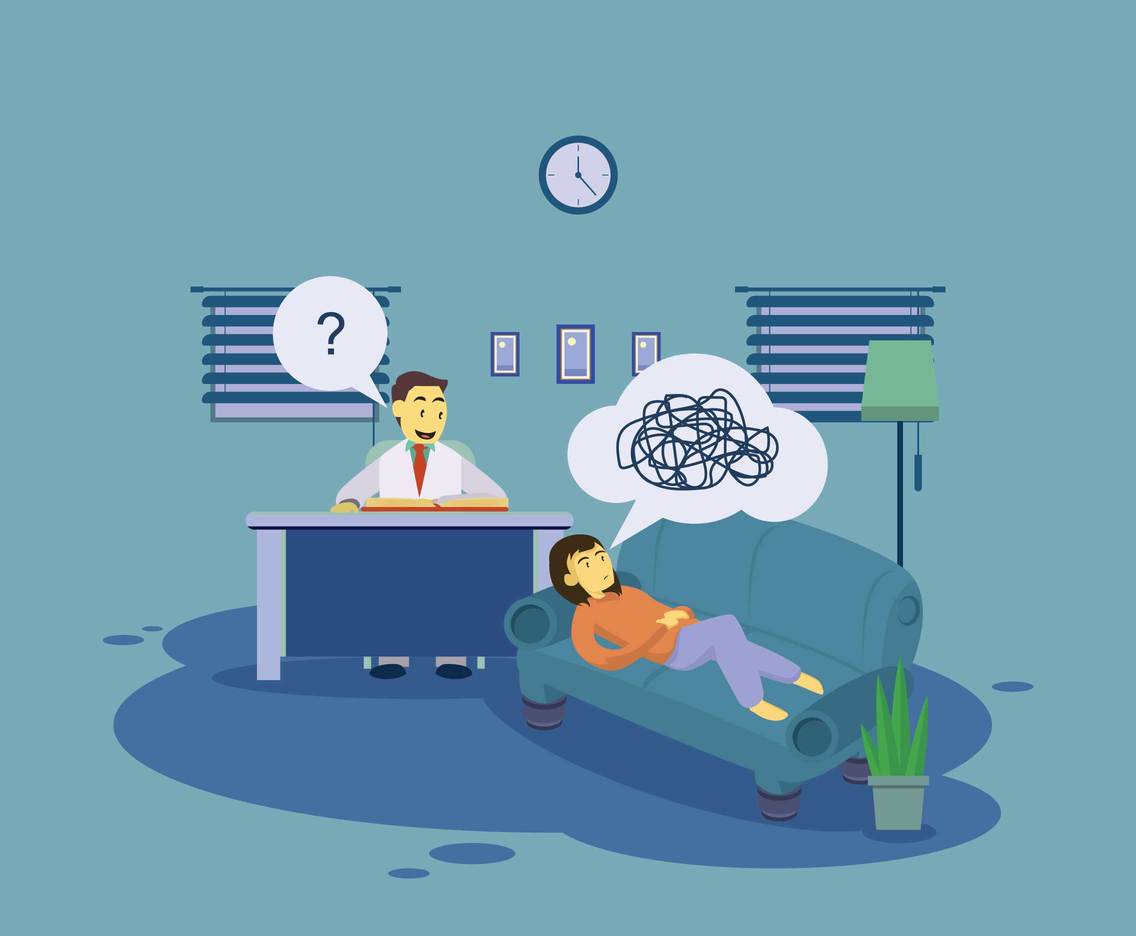
Finding the Licensed Therapists in California and Online Options
Introduction: Why Finding the Right Therapist Matters Mental health is just as important as physical health, and more people in...
Evolution of the 8 Minute Rule Therapy: What’s Different Now
The 8 minute rule therapy has fundamentally shaped how physical therapists, occupational therapists, and speech-language pathologists bill for time-based services...

Does Online DBT Therapy Work? Research and Patient Outcomes
Dialectical Behavior Therapy (DBT) has transformed mental health treatment since Dr. Marsha Linehan developed it in the 1980s, particularly for...