
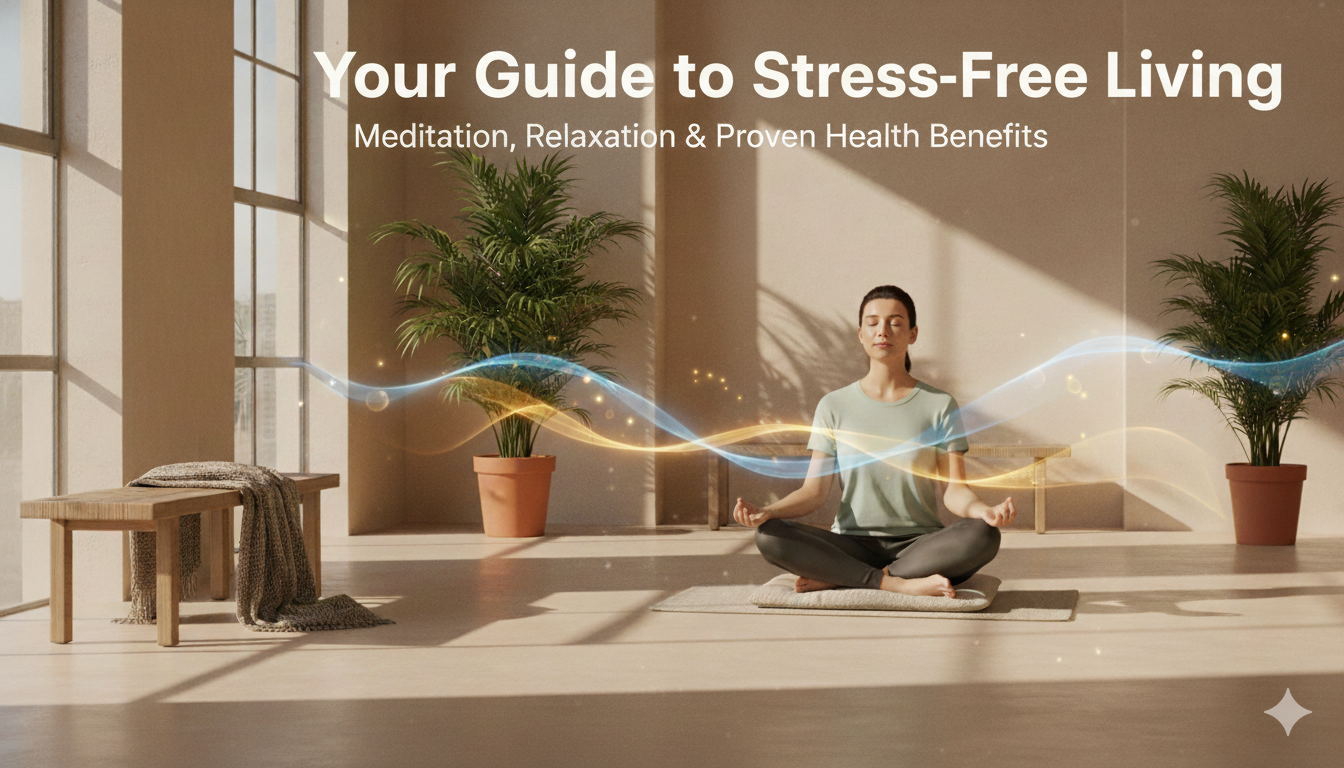
Stress shows up in many forms — sleepless nights, tight shoulders, racing thoughts, and that constant feeling of “too much.” While short-term stress can sharpen focus and motivate action, chronic stress wears down the body and mind. Thankfully, meditation and relaxation practices are some of the most accessible, research-backed ways to reduce stress and improve long-term health.
This guide explains why meditation works, which relaxation techniques deliver the biggest benefits, how to build a sustainable routine, and when to reach out for professional support.
Why stress management matters now
Modern life piles on demands: work, family, finances, and endless digital stimulation. People search for phrases like “stress management techniques,” “meditation for stress,” and “relaxation exercises” because they want fast, practical ways to feel better.
Managing stress isn’t only about immediate relief. It’s about preventing anxiety, depression, sleep problems, and physical conditions linked to chronic stress (high blood pressure, headaches, digestive issues). The good news: small daily practices produce measurable benefits.
How stress affects your body and brain
When you perceive a threat — real or imagined — your brain activates the amygdala and triggers the fight-or-flight response. Cortisol and adrenaline surge, heart rate rises, and muscles tense. Over weeks and months, chronic activation:
- disrupts sleep
- impairs memory and concentration
- increases irritability and emotional reactivity
- weakens immune function
Meditation and relaxation techniques target the nervous system directly, shifting it into a parasympathetic (rest-and-digest) state that lowers cortisol and restores balance.
Meditation: why it helps and how to start
Meditation reduces stress by calming the nervous system and improving emotional regulation. Even brief daily practice changes brain activity and physiology.
Proven benefits of meditation
- Lowers cortisol (stress hormone) levels
- Reduces symptoms of anxiety and depression
- Improves sleep quality
- Enhances attention and working memory
- Boosts emotional resilience
Easy meditation practices for beginners
- Mindfulness meditation: Sit quietly and notice breath or bodily sensations; return to the breath when the mind wanders.
- Breath-focused practice: 4–7–8 breathing or box breathing for immediate calm.
- Guided meditation: Use apps or recordings for structured relaxation (great for beginners).
- Body-scan meditation: Move attention slowly through the body to release tension.
Start with 5–10 minutes daily and gradually increase. Consistency matters more than duration.
Relaxation techniques that work fast
When stress spikes, a few simple tools can produce rapid relief. These techniques are practical to use at home, work, or on-the-go.
Quick, effective relaxation techniques
- Deep breathing: Inhale slowly for 4, hold for 4, exhale for 6–8 seconds. Repeat 6–10 times.
- Progressive muscle relaxation (PMR): Tense and release muscle groups from feet to head to dissolve physical tension.
- Guided imagery: Visualize calming scenes — beaches, forests, or safe spaces — to lower arousal.
- Grounding exercises: Name 5 things you can see, 4 you can touch, 3 you can hear, 2 you can smell, 1 you can taste (the 5-4-3-2-1 method).
- Short mindful walks: Focus on sensations while moving; notice the body and breath.
These methods interrupt the stress loop and are especially helpful before sleep or during panic moments.
Health benefits beyond stress relief
Regular meditation and relaxation practice deliver wider health benefits:
- Mental health: Reduction in anxiety and depressive symptoms; improved mood stability.
- Physical health: Lower blood pressure, reduced inflammation markers, and improved heart health.
- Cognitive benefits: Better focus, working memory, and decision-making.
- Sleep: More restorative sleep and fewer nighttime awakenings.
- Immunity: Reduced chronic stress supports stronger immune function.
Evidence shows that combining relaxation practices with healthy lifestyle habits amplifies results.
Building a daily stress-management routine
Consistency is the key to lasting change. Below is a simple plan that many clients find doable and effective.
Sample daily routine (10–20 minutes)
- Morning (3–5 min): Breath-focused meditation to start calm and centered.
- Midday (5–10 min): Short walk or body-scan to reset energy.
- Evening (5–10 min): Guided relaxation or progressive muscle relaxation before bed.
Weekly habits to reinforce your routine
-
Two yoga or movement sessions per week
-
One nature walk or outdoor session
-
Journaling once or twice weekly to process emotions
Small habits compound. If 10 minutes is all you can do, that’s a meaningful start.
When relaxation isn’t enough — knowing when to seek help
Relaxation techniques are powerful, but professional care is essential when stress is persistent or disabling. Consider contacting a mental health provider if stress:
- lasts longer than 2–3 weeks and doesn’t improve
- disrupts sleep, work, or relationships
- leads to panic attacks or severe anxiety
- causes withdrawal from activities you once enjoyed
- is accompanied by persistent sadness or hopelessness
Therapy, medication (when appropriate), and structured programs like CBT can provide tools for longer-term recovery.
How I Got U Corp supports stress management
At I Got U Corp, we combine evidence-based therapies with practical stress-management coaching. Our services include:
- Individual therapy with licensed therapists
- Online therapy options for convenience and privacy
- CBT and mindfulness-based approaches
- Stress-reduction plans tailored to your needs
- Support for anxiety, depression, trauma, and burnout
We help you build habits that reduce stress now and protect mental health over time.
Practical tips you can use today
- Practice one breathing exercise every time you feel tension.
- Block 10 minutes in your calendar for daily meditation.
- Turn off screens 60 minutes before bed to improve sleep.
- Drink water and take short movement breaks during work.
- Reach out to a friend — social support is a powerful buffer.
Frequently Asked Questions (quick answers)
Q: How long until I notice benefits from meditation?
A: Many people feel calmer after a single session; consistent practice (2–8 weeks) yields measurable change.
Q: Can meditation help anxiety?
A: Yes, meditation reduces anxiety symptoms for many people and is often used alongside therapy.
Q: Is guided meditation better than silent meditation?
A: For beginners, guided practice often helps maintain focus; silent meditation is useful once you’re comfortable.
Contact IGotU Corp — get support today
You shouldn’t have to remember contact details so often — here they are, exactly as you provided:
IGotU Corp
Address: 9431 Haven Ave, Suite 100-151, Rancho Cucamonga, CA, 91730
Phone: 909.325.7949
Email: Noworries@igotucorp.com
Website: https://www.igotucorp.com
Recent Posts
Related Posts
Live Anywhere with Your Pet: Emotional Support Animal Letter California
Finding pet-friendly housing in California is challenging. With “no pets” policies dominating rental markets from San Francisco to San Diego,...
2026’s Checklist for Choosing the Best Depression Treatment Centers
Finding the right depression treatment center in 2026 feels less like a medical appointment and more like choosing a partner...

Get Your Emotional Support Animal Letter California Today (2026 Process)
If you’re struggling with anxiety, depression, PTSD, or other mental health challenges in California, an Emotional Support Animal (ESA) can provide invaluable...
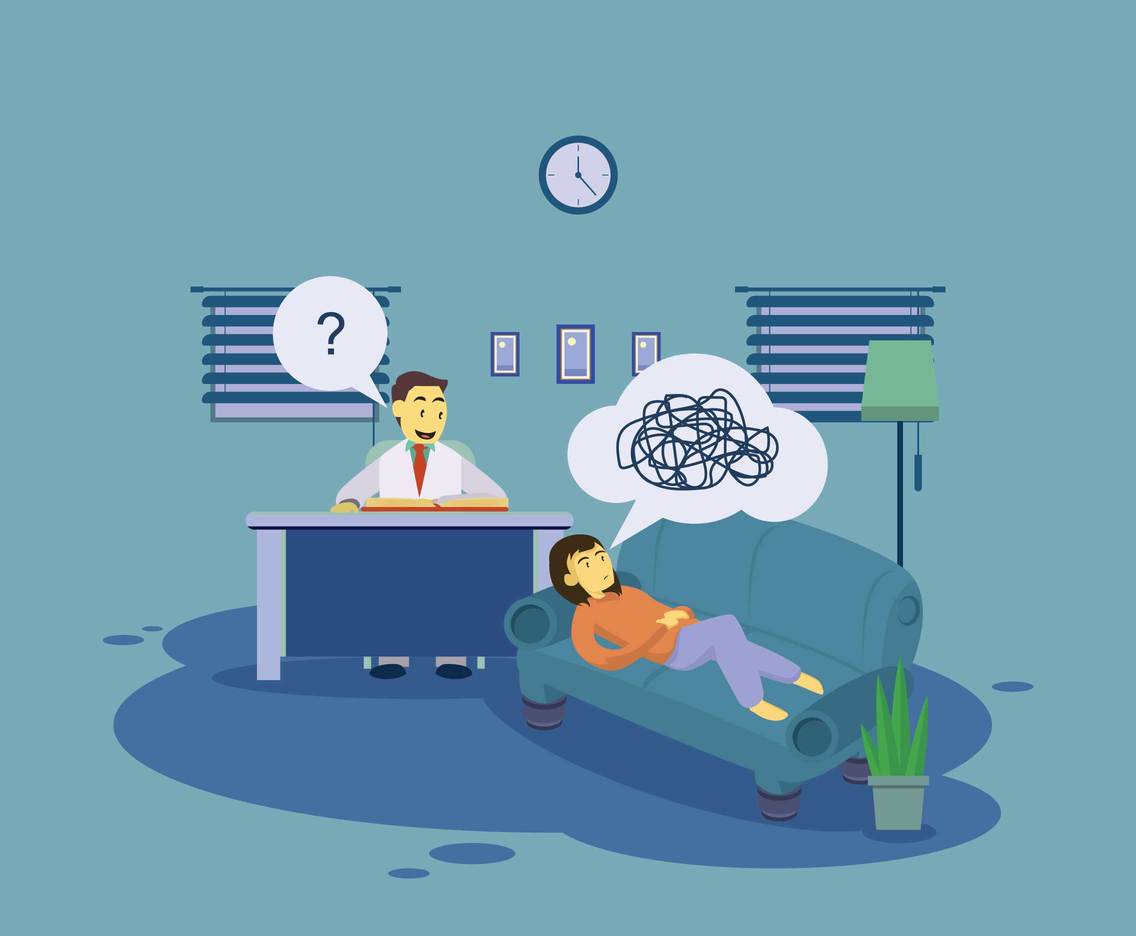
Finding the Licensed Therapists in California and Online Options
Introduction: Why Finding the Right Therapist Matters Mental health is just as important as physical health, and more people in...
Evolution of the 8 Minute Rule Therapy: What’s Different Now
The 8 minute rule therapy has fundamentally shaped how physical therapists, occupational therapists, and speech-language pathologists bill for time-based services...