

Dialectical Behavior Therapy (DBT) has become a widely recognized and valuable treatment for a range of mental health conditions. Developed by Marsha Linehan in the late 1980s, DBT initially targeted individuals with borderline personality disorder (BPD) but has since been expanded to treat various other conditions. DBT focuses on teaching individuals coping skills, mindfulness, emotional regulation, and interpersonal effectiveness. Despite its effectiveness, DBT, like all therapies, has its pros and cons. This article will delve into the dialectical behavior therapy pros and cons, exploring its benefits, limitations, and effectiveness.
What is DBT Therapy?
Dialectical Behavior Therapy (DBT) is a form of cognitive-behavioral therapy (CBT) developed by Marsha Linehan to help individuals with intense emotional and behavioral difficulties. DBT integrates aspects of mindfulness, acceptance, and change strategies, combining them into a structured therapeutic approach. The term “dialectical” refers to the integration of opposites—accepting the client’s emotional state while encouraging change for better mental health.
DBT therapy involves individual therapy sessions, group skills training, and coaching, focusing on helping individuals regulate their emotions, tolerate distress, and improve interpersonal relationships. The therapy uses specific techniques, including mindfulness exercises, distress tolerance skills, emotional regulation strategies, and interpersonal effectiveness techniques.
Key Components of DBT Therapy:
-
Mindfulness: Helping individuals remain present and non-judgmental in the moment.
-
Distress Tolerance: Building skills to cope with extreme emotions.
-
Emotional Regulation: Managing intense emotions and reactions.
-
Interpersonal Effectiveness: Improving relationships and communication skills.
What Mental Health Conditions Does DBT Treat?
DBT is effective for a range of mental health conditions, particularly those involving emotional dysregulation, intense moods, and difficulty managing relationships. While it was initially designed for borderline personality disorder (BPD), DBT has proven effective for various other mental health conditions, including:
-
Borderline Personality Disorder (BPD): DBT was developed for individuals with BPD to help them manage intense emotions, impulsivity, and unstable relationships.
-
Post-Traumatic Stress Disorder (PTSD): DBT has been adapted for trauma survivors, helping them process trauma-related distress while improving coping strategies.
-
Depression: DBT can be helpful for individuals struggling with chronic depression, especially when combined with other therapeutic approaches.
-
Eating Disorders: It has been shown to support individuals with anorexia, bulimia, and binge-eating disorders, aiding in emotional regulation and reducing self-destructive behaviors.
-
Substance Use Disorders: DBT provides effective tools for people in recovery to cope with urges and manage triggers.
-
Anxiety Disorders: DBT can help individuals regulate anxiety and stress, focusing on creating balance in their emotional responses.
DBT is considered an effective treatment for these mental health conditions, but how does it work in practice?
Is DBT Effective?
Yes, DBT is effective for many individuals, particularly those who struggle with emotional dysregulation and self-destructive behaviors. Research shows that DBT can significantly reduce symptoms of borderline personality disorder, decrease self-harm behaviors, improve emotional regulation, and enhance interpersonal functioning. Additionally, studies have shown its benefits in treating conditions like PTSD, eating disorders, and substance use disorders.
The effectiveness of DBT lies in its focus on both acceptance and change, helping individuals understand and embrace their emotions while working to change unhealthy behavior patterns. It’s important to note that DBT requires time and commitment from both the therapist and client for maximum benefit.
Major Benefits of DBT
Dialectical behavior therapy pros and cons can be better understood when comparing the benefits to the limitations. Let’s start by outlining the major benefits of DBT therapy:
1. Improves Emotional Regulation
One of the most significant benefits of DBT is that it helps individuals regulate their emotions more effectively. Many clients with mental health conditions struggle with emotional outbursts, impulsive behaviors, or emotional numbness. DBT teaches skills to manage overwhelming emotions, preventing individuals from acting impulsively or harming themselves in moments of emotional distress.
2. Reduces Self-Harm and Suicidal Behaviors
Research consistently shows that DBT significantly reduces self-harm behaviors, including suicide attempts, cutting, and other forms of self-injury. The skills taught in DBT, such as distress tolerance and mindfulness, help individuals cope with emotional pain in healthier ways.
3. Improves Interpersonal Relationships
DBT includes a significant focus on interpersonal effectiveness, helping individuals communicate more clearly, assertively, and compassionately. This is particularly helpful for individuals with BPD, who often struggle with unstable relationships and interpersonal conflict. With DBT, individuals learn how to navigate conflicts, express needs, and build healthier, more stable relationships.
4. Increases Mindfulness and Present-Moment Awareness
DBT’s emphasis on mindfulness helps clients learn to be present in the moment, free from judgment or distraction. This practice promotes self-awareness and self-compassion, which are essential for emotional regulation and mental well-being. Increased mindfulness can help reduce rumination and anxiety, leading to a more balanced emotional state.
5. Promotes Long-Term Change
Unlike some therapies that focus only on symptom management, DBT aims to create lasting behavioral changes. Through the combination of acceptance strategies and change-oriented interventions, DBT supports sustainable recovery from emotional and behavioral difficulties.
6. Adaptable to Various Mental Health Conditions
As mentioned, DBT was initially developed for individuals with BPD, but it has since been adapted for various other mental health conditions. This adaptability has made DBT a versatile and widely applicable therapeutic approach for many different types of clients.
Drawbacks or Limitations of DBT
As with any therapy, dialectical behavior therapy pros and cons should be weighed before deciding if it’s the right fit. Here are some drawbacks to consider:
1. Time-Intensive Commitment
DBT is an intensive therapy requiring significant time commitment. Typically, it includes weekly individual therapy sessions, group skills training, and access to phone coaching for crises. This can be overwhelming for individuals with limited time or those who have difficulty committing to a long-term treatment plan.
2. Not Suitable for All Clients
While DBT is beneficial for many, it may not be suitable for everyone. DBT’s intensity and structure can be challenging for individuals who are not motivated or committed to the process. Clients who are not ready for the work involved may find the therapy overwhelming or frustrating.
3. Limited Availability of DBT Trained Therapists
DBT is a specialized form of therapy, and not all therapists are trained in its methods. As a result, finding a qualified DBT therapist may be difficult in certain areas. In some cases, clients may need to travel to access appropriate care.
4. Emotional Intensity
DBT can be emotionally intense. While it offers coping strategies for distressing emotions, the therapy often requires clients to confront painful thoughts and experiences, which can be overwhelming or emotionally taxing for some individuals. This emotional intensity may be difficult for some individuals to handle without additional support.
5. Requires Active Participation
DBT requires active participation from clients, including practicing skills between sessions. For individuals with severe mental health conditions or those who struggle with motivation, this active participation may be difficult to maintain, which could limit the effectiveness of the therapy.
6. Expensive and Lengthy Process
DBT therapy can be costly, particularly for individuals without insurance or with limited coverage for mental health care. Additionally, the therapy can take months or even years to show significant results, which may make it impractical for some individuals seeking more immediate help.
Who is DBT Most Effective For?
DBT therapy is most effective for individuals who struggle with emotional dysregulation, self-destructive behaviors, and difficulty in relationships. It is especially beneficial for people with:
-
Borderline Personality Disorder (BPD): DBT was originally developed for this condition and remains one of the most effective treatments for BPD.
-
People with Self-Harm Behaviors or Suicidal Ideation: DBT significantly reduces self-harm behaviors and suicidal thoughts through its focus on distress tolerance and emotional regulation.
-
Individuals with PTSD or Trauma Histories: The therapy helps individuals process trauma and develop coping strategies for emotional regulation.
-
Individuals with Chronic Mental Health Conditions: DBT can help those with long-standing mental health challenges, including depression, eating disorders, and substance use disorders, gain more control over their emotions.
Table: Comparison of DBT’s Effectiveness for Various Conditions
| Condition | Effectiveness of DBT |
|---|---|
| Borderline Personality Disorder | Very High |
| Post-Traumatic Stress Disorder | High |
| Depression | Moderate |
| Eating Disorders | High |
| Substance Use Disorders | Moderate to High |
| Anxiety Disorders | Moderate |
Frequently Asked Questions (FAQs) About Dialectical Behavior Therapy (DBT)
What is DBT therapy, and how does it work?
DBT (Dialectical Behavior Therapy) is a type of cognitive-behavioral therapy designed to help individuals manage intense emotions, reduce self-destructive behaviors, and improve interpersonal relationships. It involves mindfulness, distress tolerance, emotional regulation, and interpersonal effectiveness techniques to help clients navigate challenges more effectively.
Who can benefit from DBT therapy?
DBT is particularly effective for individuals with emotional dysregulation and mental health conditions like Borderline Personality Disorder (BPD), post-traumatic stress disorder (PTSD), eating disorders, substance use disorders, and chronic depression. It’s most helpful for people who struggle with extreme emotions and self-destructive behaviors.
What are the main benefits of DBT?
The key benefits of DBT include:
-
Improved emotional regulation
-
Reduced self-harm and suicidal behaviors
-
Enhanced interpersonal skills
-
Increased mindfulness and self-awareness
-
Long-term behavioral changes
Are there any drawbacks or limitations to DBT?
While DBT offers many benefits, some drawbacks include:
-
Time-intensive commitment (requires ongoing sessions and skills practice)
-
Emotional intensity (may be overwhelming for some)
-
Limited availability of trained DBT therapists
-
Requires active participation and motivation from clients
How long does DBT therapy last?
DBT therapy can last several months to years, depending on the individual’s progress and goals. Typically, it involves weekly individual therapy sessions, group skills training, and phone coaching. The duration of treatment varies based on the severity of the mental health condition being treated.
Is DBT effective for anxiety disorders?
Yes, DBT can be helpful for individuals with anxiety disorders. The therapy’s focus on emotional regulation, mindfulness, and distress tolerance helps reduce anxiety by teaching individuals to manage stress and respond more effectively to triggers.
Can DBT be combined with other therapies?
Yes, DBT can be combined with other therapeutic approaches, such as cognitive-behavioral therapy (CBT) or medication. DBT is often used alongside other treatments, especially for conditions like depression, PTSD, and eating disorders, to maximize results.
Is DBT suitable for children or adolescents?
DBT has been adapted for use with adolescents, particularly those with self-harming behaviors or emotional regulation difficulties. It includes components tailored to younger individuals, with family involvement often playing a significant role in treatment.
How much does DBT cost?
The cost of DBT can vary depending on location, therapist fees, and whether it’s covered by insurance. It’s considered a specialized therapy, so it may be more expensive than standard psychotherapy. Some therapists offer sliding scale fees or telehealth options to make DBT more accessible.
What is the difference between DBT and CBT?
While both DBT and CBT are cognitive-behavioral therapies, DBT places a greater emphasis on mindfulness, emotional regulation, and acceptance. CBT primarily focuses on changing negative thought patterns, while DBT combines change strategies with acceptance techniques, making it particularly effective for individuals with intense emotions.
Can DBT help with substance use disorders?
Yes, DBT has shown effectiveness in treating substance use disorders by teaching individuals coping mechanisms for dealing with cravings and emotional distress. The skills learned in DBT can help people in recovery manage triggers and reduce the risk of relapse.
Conclusion: DBT Therapy—Weighing the Pros and Cons
Dialectical Behavior Therapy offers numerous benefits, particularly for individuals struggling with emotional regulation, self-destructive behaviors, and interpersonal issues. The primary strengths of DBT include its focus on mindfulness, emotional regulation, and interpersonal effectiveness. While it may be challenging for some individuals due to its time commitment and emotional intensity, DBT’s comprehensive approach has been proven effective for a variety of mental health conditions.
If you believe DBT might be the right treatment for you or a loved one, it’s important to consult with a qualified therapist trained in DBT. The process may take time, but the skills learned in DBT can offer lasting benefits, helping individuals lead more stable, balanced lives.
If you’re considering DBT therapy, connect with a licensed professional trained in DBT today. Learn more about our specialized approach to Online DBT therapy, designed to support individuals struggling with emotional dysregulation and self-destructive behaviors.
Contact Details:
If you are interested in learning more about Dialectical Behavior Therapy (DBT) or would like to schedule an appointment with a trained DBT therapist, feel free to reach out to us.
Phone:
Call us at 909.325.7949 for more information or to book a consultation.
Email:
For inquiries or appointment requests, email us at Noworries@igotucorp.com.
Website:
Visit our website for additional resources, including articles, testimonials, and therapist directories:
https://igotucorp.com/
Office Address:
Feel free to reach out with any questions or to schedule a session. We are here to help you on your journey to better mental health.
Recent Posts
Related Posts
Live Anywhere with Your Pet: Emotional Support Animal Letter California
Finding pet-friendly housing in California is challenging. With “no pets” policies dominating rental markets from San Francisco to San Diego,...
2026’s Checklist for Choosing the Best Depression Treatment Centers
Finding the right depression treatment center in 2026 feels less like a medical appointment and more like choosing a partner...

Get Your Emotional Support Animal Letter California Today (2026 Process)
If you’re struggling with anxiety, depression, PTSD, or other mental health challenges in California, an Emotional Support Animal (ESA) can provide invaluable...
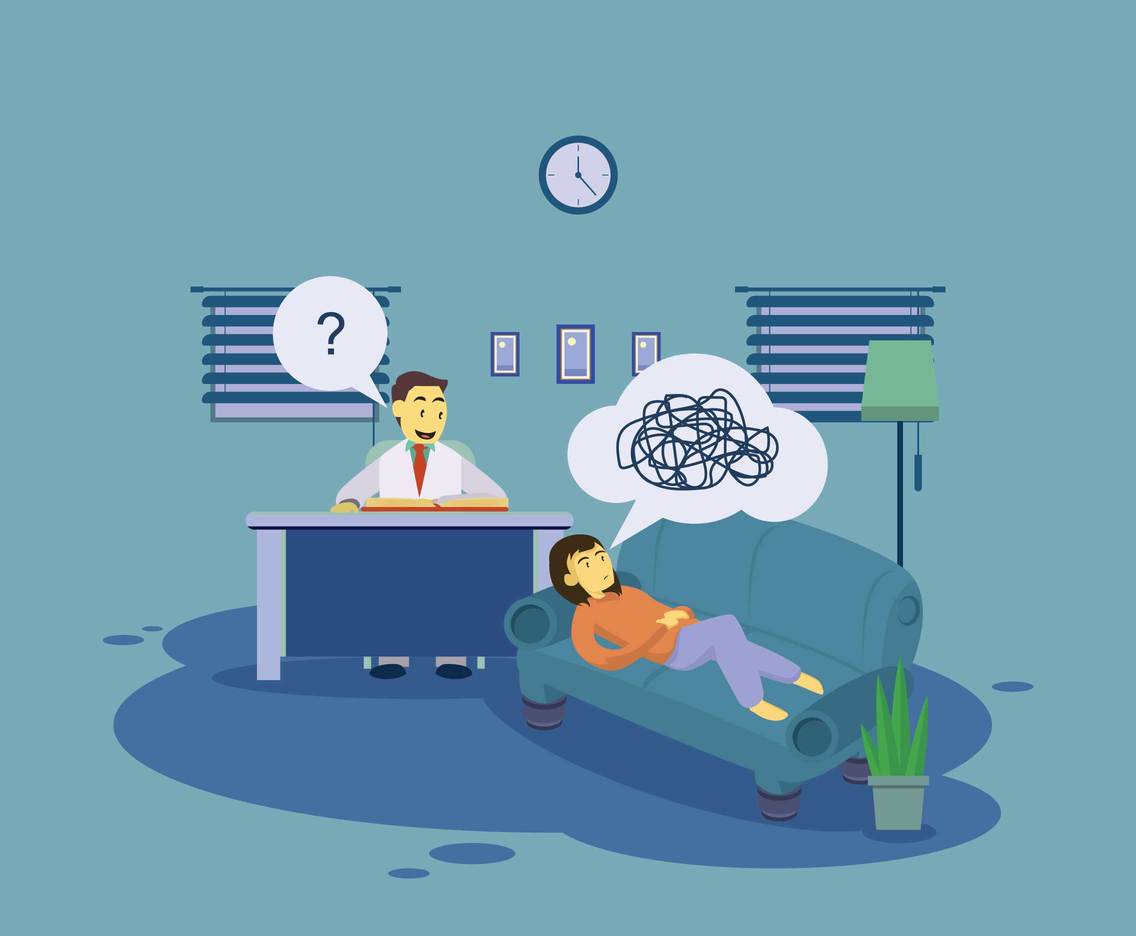
Finding the Licensed Therapists in California and Online Options
Introduction: Why Finding the Right Therapist Matters Mental health is just as important as physical health, and more people in...

Evolution of the 8 Minute Rule Therapy: What’s Different Now
The 8 minute rule therapy has fundamentally shaped how physical therapists, occupational therapists, and speech-language pathologists bill for time-based services...