
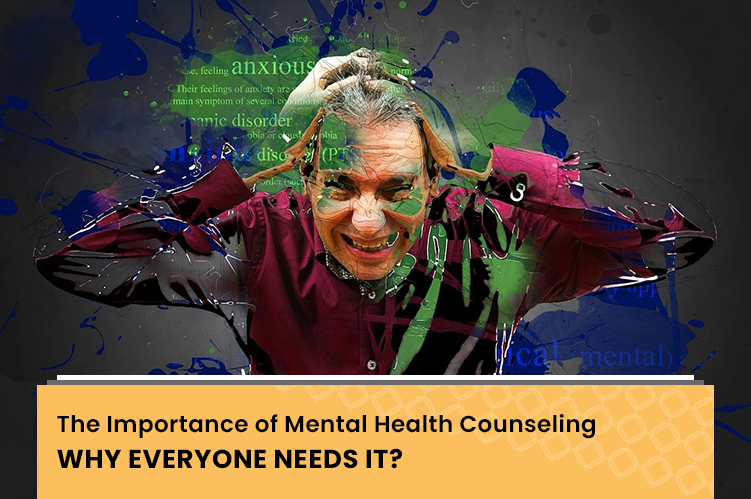
In today’s fast-paced and often stressful world, mental health has become a critical aspect of overall well-being. While physical health is routinely prioritized, the importance of maintaining mental wellness is sometimes overlooked. That’s where licensed mental health counselors play a pivotal role—helping individuals build resilience, process emotions, and find healthy coping strategies.
Whether you’re facing anxiety, depression, grief, or everyday stress, working with a clinical mental health professional can lead to a personalized treatment plan tailored to your unique needs. These plans often include talk therapy, cognitive-behavioral techniques, mindfulness practices, and other evidence-based approaches designed to promote emotional balance.
With the rise of online mental health counseling, more people now have convenient access to qualified therapists from the comfort of their homes. This virtual approach not only breaks down geographical barriers but also makes it easier to fit mental health care into a busy schedule.
In this article, we explore the significance of therapy, how to choose the right licensed mental health counselor, and why more people are turning to online counseling as a powerful solution for long-term well-being.
Understanding Mental Wellness:
Mental wellness refers to a state of emotional, psychological, and social well-being where individuals can manage stress, relate to others effectively, and make sound decisions. Just as physical health requires regular attention to maintain strength, energy, and immunity, mental wellness needs consistent care to stay balanced. Our emotional health affects how we think, feel, and behave, influencing our relationships and our ability to cope with life’s challenges. Mental wellness is more than just the absence of mental illness; it is about thriving in life, achieving personal growth, and maintaining healthy coping mechanisms.
Unfortunately, many individuals face mental health challenges due to various factors, such as stress, trauma, genetic predisposition, societal pressures, or personal crises. When mental wellness is compromised, it can manifest as anxiety, depression, anger, or other emotional disorders that impact daily functioning. This is where mental health counseling plays a vital role.
Why Therapy is Essential for Mental Health?
Therapy, also known as mental health counseling, is a therapeutic process designed to help individuals understand their emotions, thoughts, and behaviors. Whether through psychotherapy with a licensed counselor or engaging in evidence-based treatment methods, therapy services offer numerous benefits that significantly improve emotional well-being.
From managing mental health issues like anxiety, depression, and trauma to fostering personal growth and healthier relationships, therapy provides a safe space for healing and self-discovery. Many professionals in the field have completed a clinical mental health counseling program and worked hard to become licensed mental health counselors, ensuring clients receive quality, ethical, and effective support.
Here are some of the key reasons why therapy is so important:
Promotes Emotional Well-Being:
One of the primary benefits of mental health counseling is its ability to promote emotional well-being. Therapy provides individuals with a safe space to express their thoughts, feelings, and concerns without judgment. This emotional outlet can help reduce feelings of loneliness, anger, or frustration. It enables individuals to process difficult emotions healthily and learn how to regulate their emotions more effectively.
Therapists use various techniques to help clients understand and manage their emotions, such as Cognitive Behavioral Therapy (CBT), mindfulness-based interventions, or psychodynamic approaches. By gaining insight into one’s emotions, individuals can develop healthier coping strategies and improve their emotional resilience.
Helps Manage Stress and Anxiety:
Stress and anxiety are common mental health challenges that many people face. Life events, work-related pressures, financial concerns, and family issues can all contribute to feelings of overwhelming stress. Therapy provides a structured environment to explore the root causes of anxiety and stress, identify patterns of thinking that contribute to these feelings, and learn coping strategies to manage them.
Therapists can teach relaxation techniques, mindfulness exercises, and ways to reframe negative thinking, all of which can reduce anxiety levels and help individuals feel more in control of their emotions. Effective stress management is crucial for long-term mental health and overall well-being.
Improves Self-Esteem and Confidence:
Low self-esteem is a common issue for many individuals, often stemming from past experiences, trauma, or negative self-perceptions. Mental health counseling can help people rebuild their self-esteem by addressing underlying issues and encouraging positive self-reflection. Therapy provides the space for individuals to identify negative thought patterns and replace them with more empowering beliefs.
Through the therapeutic process, people can work on self-acceptance, assertiveness, and developing a more balanced view of themselves. When self-esteem improves, individuals are better able to face life’s challenges with confidence and pursue their goals with clarity and purpose.
Provides Tools for Relationship Improvement:
Healthy relationships are foundational to emotional well-being, but they can also be a source of stress if they are strained. Whether in family dynamics, romantic partnerships, or friendships, communication and emotional regulation are key to maintaining positive relationships. Therapy helps individuals develop better communication skills, improve empathy, and resolve conflicts constructively.
Couples therapy or family counseling can be especially beneficial in addressing relationship issues. Counselors assist individuals in identifying unhealthy patterns of behavior, teaching active listening skills, and helping clients understand each other’s needs. The outcome is often stronger, more supportive relationships that contribute positively to mental health.
Supports Personal Growth and Development:
Therapy is not only for managing mental health crises; it is also an important tool for personal growth. Many individuals seek therapy to gain insight into their life choices, explore their values, and enhance their decision-making skills. Counseling helps individuals clarify their goals, values, and priorities, leading to a more fulfilled life.
By working with a counselor, individuals can gain perspective on their strengths and challenges and develop strategies to overcome personal obstacles. Therapy encourages introspection, self-awareness, and continuous self-improvement.
How to Find the Right Mental Health Counseling?
While therapy can be immensely beneficial, it’s essential to find the right counselor or therapist to achieve positive outcomes. Here are some tips for selecting the right mental health professional:
Look for Credentials and Experience:
Ensure that the therapist you choose is licensed and has the appropriate qualifications to provide mental health counseling. Depending on your location, look for professionals with certifications such as Licensed Professional Counselor (LPC), Licensed Clinical Social Worker (LCSW), or Clinical Psychologist (Ph.D. or Psy.D.). It’s also important to choose someone with experience in addressing the specific issues you’re facing, whether it’s anxiety, depression, trauma, or relationship problems.
Consider Therapeutic Approach:
Different counselors use various therapeutic approaches, so it’s important to find one that aligns with your needs. For example, if you’re looking for practical tools to manage anxiety, Cognitive Behavioral Therapy (CBT) may be a good fit. If you’re dealing with unresolved trauma, a therapist who specializes in trauma-informed care may be more suitable. You can ask potential therapists about their approach and see if it resonates with you.
Check for Compatibility:
The therapeutic relationship is essential for success. A strong therapeutic alliance can make a significant difference in how effective therapy is. During your initial consultations, pay attention to how comfortable you feel with the therapist. Are they a good listener? Do you feel understood? A supportive, empathetic, and non-judgmental therapist is key to feeling safe and open during the therapeutic process.
Location and Accessibility:
Consider the accessibility of the therapist’s office or virtual sessions. If in-person meetings are not feasible, especially in today’s world where time and travel can be challenging, look for professionals offering online counseling.
The Rise of Online Mental Health Counseling:
In recent years, online mental health counseling has grown significantly, making therapy more accessible to people worldwide. Telehealth platforms and virtual counseling services allow individuals to connect with licensed professionals from the comfort of their homes, which is especially valuable for those living in remote areas or dealing with mobility issues.
Online mental health counseling has proven to be effective for a wide range of mental health concerns, from stress and anxiety to relationship issues and depression. The flexibility of online sessions also reduces barriers like scheduling conflicts and transportation problems. Plus, some people find that they are more comfortable discussing their thoughts and emotions in the privacy of their own space.
One significant advantage of online therapy is its accessibility. Virtual counseling can help reduce stigma, as people who might feel hesitant to attend traditional in-person therapy may feel more at ease with the online format. Moreover, online platforms often offer a range of communication methods, including video calls, phone calls, and text-based chat, catering to different preferences.
Conclusion: Why Everyone Needs Mental Health Counseling?
In conclusion, mental health counseling is not just for those experiencing severe psychological distress—it’s a powerful tool for anyone aiming to improve their quality of life. With strong counseling skills, licensed therapists help individuals better understand themselves and how to live with a mental health condition or emotional challenge. Mental health counselors provide a supportive and non-judgmental environment where clients can grow, heal, and build resilience.
Trained professionals are equipped to diagnose mental health conditions and guide clients toward effective treatment plans tailored to their unique needs. Whether you’re managing anxiety, coping with loss, or simply seeking clarity, counseling offers structure and support on your journey toward wellness.
If you or someone you know is struggling, call or text the appropriate mental health helpline in your area—help is always available. Prioritizing your mental health isn’t a luxury—it’s a necessity. Take the first step toward a healthier, more balanced life through counseling today.
Recent Posts
Related Posts

Live Anywhere with Your Pet: Emotional Support Animal Letter California
Finding pet-friendly housing in California is challenging. With “no pets” policies dominating rental markets from San Francisco to San Diego,...
2026’s Checklist for Choosing the Best Depression Treatment Centers
Finding the right depression treatment center in 2026 feels less like a medical appointment and more like choosing a partner...

Get Your Emotional Support Animal Letter California Today (2026 Process)
If you’re struggling with anxiety, depression, PTSD, or other mental health challenges in California, an Emotional Support Animal (ESA) can provide invaluable...
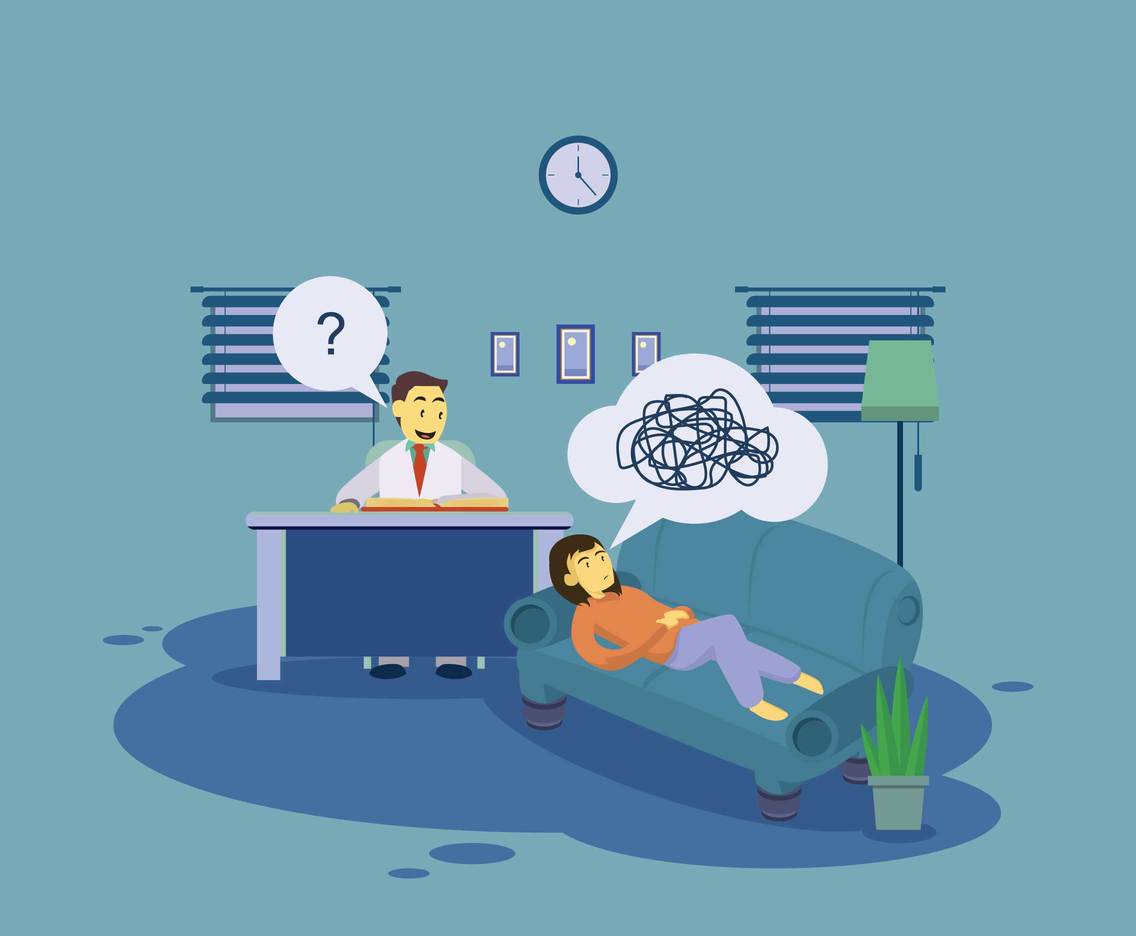
Finding the Licensed Therapists in California and Online Options
Introduction: Why Finding the Right Therapist Matters Mental health is just as important as physical health, and more people in...
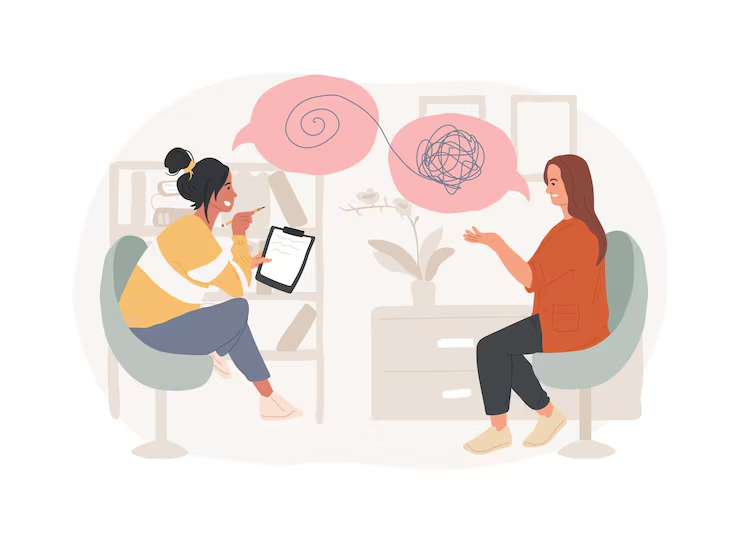
Evolution of the 8 Minute Rule Therapy: What’s Different Now
The 8 minute rule therapy has fundamentally shaped how physical therapists, occupational therapists, and speech-language pathologists bill for time-based services...