

Stress in Everyday Life:
Stress is no stranger to modern life. From work deadlines and financial worries to relationship struggles and health concerns, daily pressures can weigh heavily on our minds. For many people, stress and worry don’t just pass—they build up, affecting sleep, mood, and even physical health.
That’s where virtual counseling for stress steps in. With today’s digital tools, people in California and beyond can access professional help without leaving home. In this article, we’ll explore how virtual counseling works, its benefits, coping strategies you can learn, and why it may be the key to managing stress more effectively.
What Is Virtual Counseling for Stress?
Virtual counseling, also known as online therapy or teletherapy, uses secure digital platforms to connect clients with licensed therapists. Instead of driving to an office, you can log in from home, work, or even on the go.
-
Teletherapy sessions can happen via video calls, phone calls, or even chat-based systems.
-
Therapists use evidence-based approaches like Cognitive Behavioral Therapy (CBT), mindfulness practices, and stress management techniques.
-
It’s especially useful for individuals juggling busy schedules, living in remote areas, or feeling hesitant about in-person visits.
✅ Virtual counseling is not just convenient—it’s highly effective in addressing stress, anxiety, and chronic worry.
Why Stress and Worry Are Serious Health Concerns?
Stress isn’t just “in your head.” Left unmanaged, it can cause or worsen:
-
High blood pressure and heart disease
-
Weakened immune response
-
Sleep disturbances
-
Digestive issues
-
Increased risk of depression and anxiety disorders
Chronic worry drains mental energy, leaving you constantly on edge. Recognizing that stress deserves professional attention is the first step toward better mental health.
Online Therapy Benefits – Why More People Are Choosing Virtual Counseling?
The growth of online therapy is no accident—it’s fueled by real advantages:
1. Accessibility:
You don’t need to live in a big city to see a therapist. Even in rural California towns, you can connect with professionals instantly.
2. Affordability:
Virtual counseling often costs less than in-person sessions. Many providers also offer sliding scale fees for clients without insurance.
3. Comfort and Privacy:
Attending therapy from your own home can feel safer and more comfortable, reducing stigma.
4. Flexibility:
Scheduling is easier with evening or weekend appointments, fitting into a busy lifestyle.
5. Effectiveness:
Studies confirm that teletherapy sessions are as effective as in-person counseling for conditions like stress, anxiety, and depression.
Coping Strategies for Worry You’ll Learn in Virtual Counseling:
A licensed therapist helps you develop personalized coping strategies for worry. Some of the most effective include:
-
Cognitive restructuring: Reframing negative thought patterns.
-
Mindfulness meditation: Staying grounded in the present moment.
-
Progressive muscle relaxation: Releasing physical tension caused by stress.
-
Time management skills: Reducing stress from feeling overwhelmed.
-
Breathing techniques: Calming the nervous system during moments of panic.
These tools empower you to manage stress in real time, instead of letting it spiral.
The Role of Emotional Support Online:
Sometimes what you need most is emotional support online—a safe space where you can talk openly, without judgment.
-
Virtual counseling provides that supportive outlet.
-
Therapists validate your feelings while also guiding you toward healthier responses.
-
You’re not alone in your stress; you have someone trained to help you navigate it.
Common Myths About Virtual Counseling for Stress:
Despite its popularity, some myths still surround online therapy:
-
“It’s not as good as in-person counseling.”
→ Studies show equal effectiveness for most conditions. -
“It’s not secure.”
→ Platforms use HIPAA-compliant technology to protect your privacy. -
“It’s only for mild stress.”
→ Therapists can provide real support for both mild and chronic stress. -
“It’s impersonal.”
→ Many clients actually feel more connected because they’re in their own environment.
Virtual Counseling in California – A Growing Movement:
California leads the nation in digital mental health adoption. Thousands of residents are turning to virtual counseling for stress through platforms and local providers.
At I Got U Corp, we specialize in connecting people with a Licensed Therapist in California who understands the unique pressures of modern life—whether you’re in Los Angeles, Sacramento, or living remotely.
👉 Learn more on our Licensed Therapist in California page.
Comparing In-Person vs. Virtual Counseling:
Here’s a quick table to see how they compare:
| Feature | In-Person Counseling | Virtual Counseling |
|---|---|---|
| Convenience | Travel required | From home/anywhere |
| Cost | Often higher | More affordable |
| Privacy | Public office visit | At home, private |
| Scheduling Flexibility | Limited | Wide availability |
| Effectiveness | Proven | Equally effective |
Who Should Consider Virtual Counseling?
-
Professionals with tight schedules
-
Parents managing home and work stress
-
Students balancing academics and personal life
-
People without insurance seeking affordable options
-
Anyone who prefers comfort and privacy
How to Get Started with Virtual Counseling for Stress
-
Find a provider (like I Got U Corp).
-
Schedule a consultation.
-
Choose your format (video, phone, or chat).
-
Set goals with your therapist.
-
Begin sessions and track your progress.
The process is simple—and the benefits are life-changing.
FAQs About Virtual Counseling for Stress:
Is virtual counseling really effective for stress?
Yes. Studies show it is equally effective as in-person therapy for managing stress and anxiety.
What’s the difference between teletherapy sessions and online coaching?
Teletherapy involves licensed therapists providing evidence-based care. Coaching is often less regulated.
Can I get therapy without insurance in California?
Yes. Many providers offer sliding scale fees or affordable self-pay options.
What equipment do I need for virtual counseling?
A phone, tablet, or computer with internet access.
How often should I attend teletherapy sessions?
Weekly sessions are common, but frequency depends on your needs.
Take the First Step Toward Stress Relief:
Daily stress doesn’t have to control your life. With virtual counseling for stress, you can learn coping strategies, build resilience, and find emotional support—without leaving home.
👉 Ready to begin? Contact I Got U Corp today and get matched with a compassionate, licensed therapist who can help you take control of stress and worry.
📍 9431 Haven Ave, Suite 100-151 Rancho Cucamonga, CA, 91730
Recent Posts
Related Posts
2026’s Checklist for Choosing the Best Depression Treatment Centers
Finding the right depression treatment center in 2026 feels less like a medical appointment and more like choosing a partner...

Get Your Emotional Support Animal Letter California Today (2026 Process)
If you’re struggling with anxiety, depression, PTSD, or other mental health challenges in California, an Emotional Support Animal (ESA) can provide invaluable...
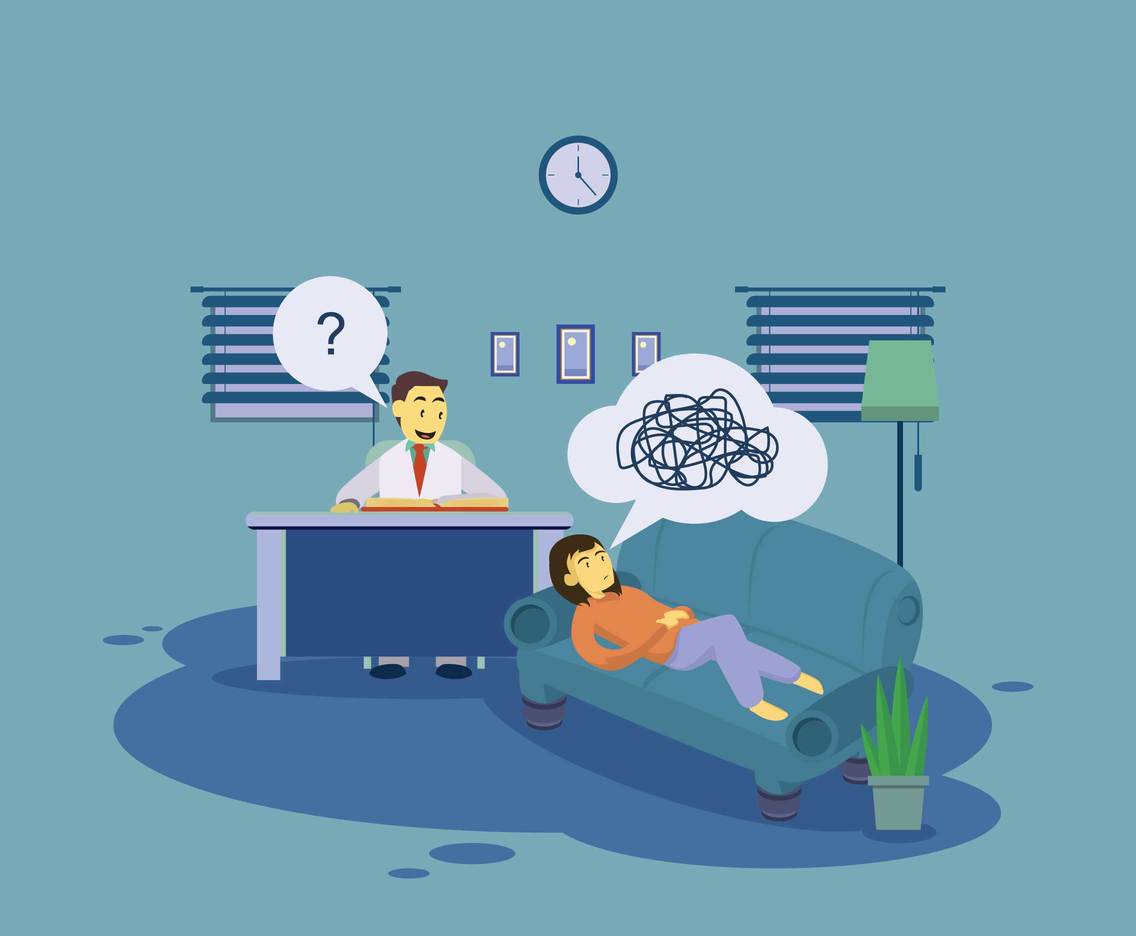
Finding the Licensed Therapists in California and Online Options
Introduction: Why Finding the Right Therapist Matters Mental health is just as important as physical health, and more people in...
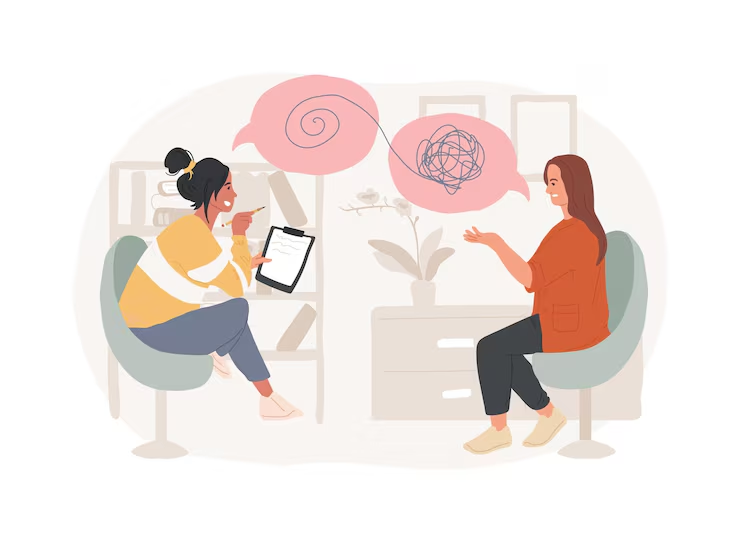
Evolution of the 8 Minute Rule Therapy: What’s Different Now
The 8 minute rule therapy has fundamentally shaped how physical therapists, occupational therapists, and speech-language pathologists bill for time-based services...

Does Online DBT Therapy Work? Research and Patient Outcomes
Dialectical Behavior Therapy (DBT) has transformed mental health treatment since Dr. Marsha Linehan developed it in the 1980s, particularly for...