

Becoming a Licensed Mental Health Counselor (LMHC) is more than just a career—it’s a calling. If you’re considering this rewarding path or simply want to understand what qualifies an LMHC to support you or your loved ones, this guide offers clarity on the journey and the role they play in modern mental health care.
What is an LMHC and What Do They Do?
An LMHC is a licensed professional trained to support individuals dealing with anxiety, depression, trauma, relationship issues, grief, and other emotional challenges. While often referred to as a therapist or counselor, an LMHC holds specific state-approved credentials that qualify them for clinical mental health work.
Key responsibilities of an LMHC include:
- Conducting assessments and diagnoses
- Providing individual or group counseling
- Developing treatment plans
- Offering emotional and behavioral support
- Collaborating with other healthcare providers
Did you know? LMHCs are often the first point of contact for people beginning their mental health journey.
Steps to Becoming a Licensed Mental Health Counselor
If you’re curious about how someone becomes an LMHC—or you’re on the path yourself—here’s what it takes:
1. Earn a Bachelor’s Degree (Typically in Psychology or Social Sciences)
While a specific major isn’t always required, most aspiring LMHCs study psychology, social work, or human development.
2. Complete a Master’s Degree in Mental Health Counseling
This graduate program must be CACREP-accredited or meet your state board’s criteria. Coursework includes counseling theories, ethics, human development, and clinical practice.
3. Complete Supervised Clinical Experience
Most states require 2,000 to 3,000 hours of post-master’s supervised clinical work. This hands-on training is essential to gaining real-world skills in therapy settings.
4. Pass the Licensing Exam
You must pass a national exam such as the NCMHCE (National Clinical Mental Health Counseling Examination).
5. Apply for State Licensure
Each U.S. state has unique requirements. Once licensed, you can officially practice as an LMHC.
6. Maintain License with Continuing Education
To uphold the quality of care, LMHCs must complete ongoing professional development annually.
LMHC vs. Therapist vs. Psychologist – What’s the Difference?
Many people ask:
“Is an LMHC the same as a therapist?”
“Do I need a psychologist or a counselor?”
Here’s a quick comparison:
| Title | Education | Can Diagnose & Treat? | Prescribe Medication? |
| LMHC | Master’s in Counseling | ✔️ Yes | ❌ No |
| Psychologist | PhD or PsyD | ✔️ Yes | ❌ (Unless licensed in some states) |
| Psychiatrist | MD | ✔️ Yes | ✔️ Yes |
| Licensed Therapist | Varies (LMHC, LCSW, etc.) | ✔️ Yes | ❌ No |
Why This Matters If You’re Seeking Counseling
Understanding what it takes to become a licensed professional matters not just to students but also to clients seeking trusted care. At IGotU Corp, we only work with trained, licensed, and compassionate professionals. Knowing their path helps you trust that you’re in expert hands.
Looking for a licensed counselor near you?
Schedule a free consultation today with a verified LMHC from our team:
Contact Us Now
Final Thoughts: LMHCs Are the Backbone of Accessible Mental Health Care
The path to becoming an LMHC is rigorous because the responsibility is great. Whether you’re considering this career or are looking for professional support, understanding the qualifications of your mental health provider can make all the difference in your journey. Looking for a trusted Licensed Mental Health Counselor near you? Schedule your free consultation today.
Frequently Asked Questions (FAQs)
Q: How long does it take to become an LMHC?
On average, it takes 6–8 years, including graduate study and supervised experience.
Q: Are LMHCs licensed in all U.S. states?
Yes, but licensing names and requirements vary slightly by state (e.g., LPC in some states).
Q: Can LMHCs help with trauma or PTSD?
Absolutely. Many LMHCs are trained in trauma-focused therapy methods like EMDR or CBT.
Recent Posts
Related Posts

Live Anywhere with Your Pet: Emotional Support Animal Letter California
Finding pet-friendly housing in California is challenging. With “no pets” policies dominating rental markets from San Francisco to San Diego,...
2026’s Checklist for Choosing the Best Depression Treatment Centers
Finding the right depression treatment center in 2026 feels less like a medical appointment and more like choosing a partner...

Get Your Emotional Support Animal Letter California Today (2026 Process)
If you’re struggling with anxiety, depression, PTSD, or other mental health challenges in California, an Emotional Support Animal (ESA) can provide invaluable...
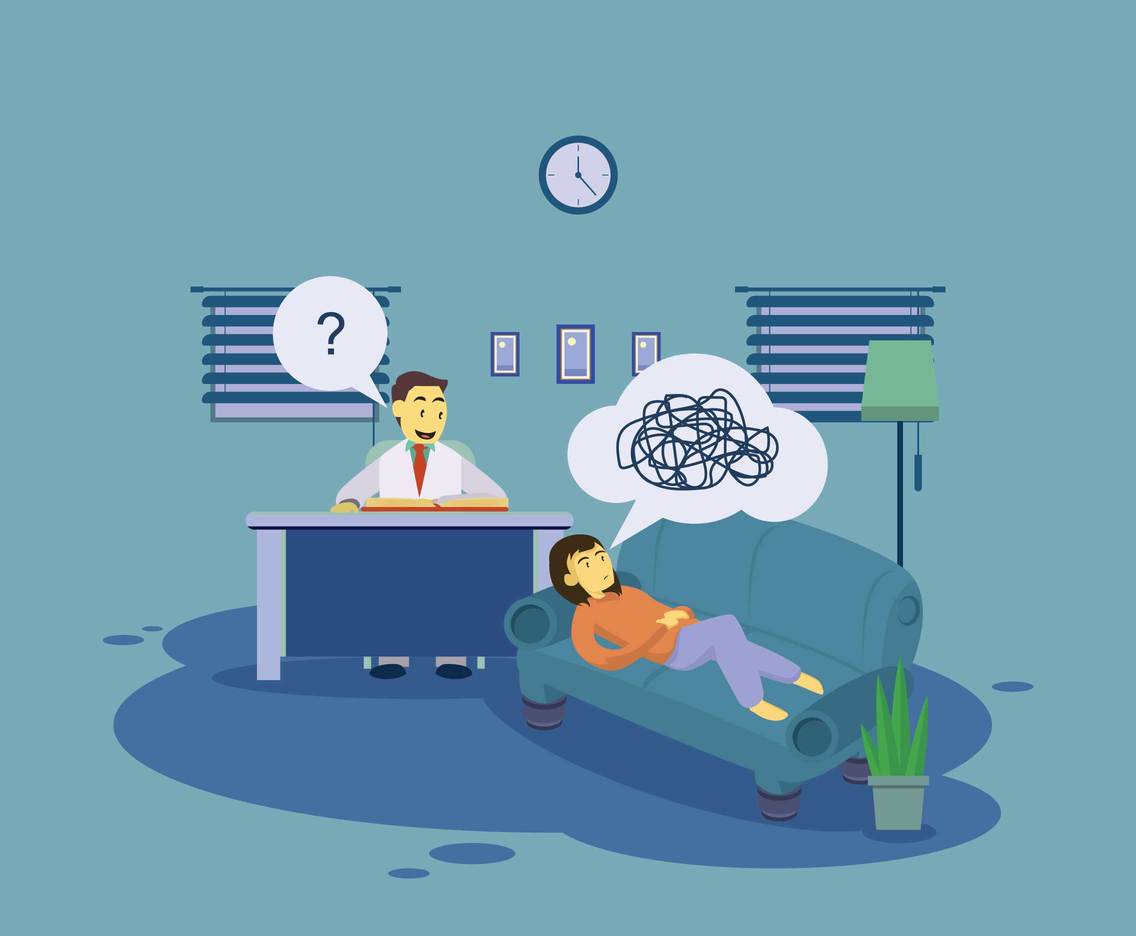
Finding the Licensed Therapists in California and Online Options
Introduction: Why Finding the Right Therapist Matters Mental health is just as important as physical health, and more people in...

Evolution of the 8 Minute Rule Therapy: What’s Different Now
The 8 minute rule therapy has fundamentally shaped how physical therapists, occupational therapists, and speech-language pathologists bill for time-based services...