

Depression is more than feeling down or having a bad day—it’s a serious mental health condition that affects how a person thinks, feels, and behaves. Millions of people worldwide struggle with it, but the good news is that help is available. One of the most effective tools in managing and recovering from depression is therapy. But how does it work? And is it as effective as people say?
In this article, we’ll explore how therapy helps treat depression, the different types of therapy, what you can expect from treatment, and why therapy remains a cornerstone in long-term recovery.
Understanding Depression: A Brief Overview
Depression is a complex mood disorder characterized by persistent feelings of sadness, hopelessness, fatigue, and loss of interest in activities once enjoyed. It often affects relationships, job performance, sleep, and overall health.
While medication can provide chemical balance, therapy for depression addresses the root causes, helps develop coping skills, and provides emotional support—all critical components of depression treatment.
What Types of Therapy Are Used for Depression?
There’s no one-size-fits-all approach. Several mental health counseling techniques have been developed, each with its focus and structure. Here are the most commonly used therapies:
- Cognitive Behavioral Therapy (CBT for Depression)
CBT is the gold standard for treating depression. It’s a structured, short-term therapy that helps individuals recognize and challenge negative thought patterns.
- Focus: Changing unhelpful thoughts and behaviors
- Tools: Thought records, behavioral activation, cognitive restructuring
- Duration: Typically 12–20 sessions
How therapy helps with depression through CBT is by teaching patients to interrupt the cycle of negative thinking and replace it with constructive alternatives.
- Interpersonal Therapy (IPT)
IPT is based on the idea that depression is linked to interpersonal relationships and social functioning.
- Focus: Improving communication and relationship skills
- Best for: People whose depression is tied to grief, conflict, or life transitions
- Duration: 12–16 sessions
- Psychodynamic Therapy
Rooted in Freudian psychology, this therapy explores unconscious thoughts and unresolved past conflicts.
- Focus: Gaining insight into emotional suffering
- Best for: Long-term, deep-seated issues contributing to depression
- Behavioral Activation (BA)
This is a component of CBT that focuses on encouraging people to engage in activities that bring joy or meaning.
- Focus: Reducing avoidance and isolation
- Best for: Those struggling with low motivation
- Mindfulness-Based Cognitive Therapy (MBCT)
MBCT combines cognitive therapy with mindfulness strategies.
- Focus: Preventing relapse by changing the relationship with thoughts
- Best for: Individuals with recurrent depression
Each of these methods has been studied extensively and proven effective for different types of patients. What’s important is working with a qualified therapist for depression who can help choose the best fit.
How Does Therapy Work Compared to Medication?
When considering depression treatment, many people wonder: Should I take medication, go to therapy, or both?
Medication: The Biological Approach
Antidepressants can help balance brain chemicals like serotonin and dopamine. They are often prescribed for moderate to severe depression.
- Pros:
- Can relieve symptoms quickly
- Helpful for those with severe or chronic depression
- Cons:
- Doesn’t address root causes
- Side effects such as weight gain, insomnia, or emotional numbness
Therapy: The Psychological Approach
How therapy helps treat depression is by addressing the underlying cognitive, emotional, and behavioral patterns that fuel the condition.
- Pros:
- Teaches coping skills for long-term management
- Improves self-awareness and problem-solving
- Supports personal growth and emotional resilience
- Cons:
- Requires regular commitment
- Progress may take time
Combined Approach
Research shows that therapy for depression, when combined with medication, is more effective than either approach alone, especially for individuals with severe symptoms. While medication can relieve symptoms, therapy provides tools to make lasting change.
Common Goals and Outcomes of Therapy
Whether short-term or long-term, mental health counseling for depression aims to achieve clear, measurable goals. These include:
- Symptom Reduction
- Decrease in feelings of hopelessness, sadness, and fatigue
- Restoration of energy, motivation, and pleasure in life
- Better Emotional Regulation
- Learning to manage anger, anxiety, or guilt
- Becoming more resilient to stress and disappointment
- Improved Thinking Patterns
- Reframing negative self-beliefs
- Increasing optimism and self-esteem
- Healthier Behaviors
- Rebuilding routines
- Returning to work or school
- Re-engaging with social activities
- Enhanced Relationships
- Better communication
- Resolving conflicts
- Strengthening support networks
How therapy helps with depression becomes clear as patients gradually regain a sense of control, purpose, and hope.
What Can a Patient Expect from Their First Therapy Session?
Starting therapy can be intimidating. Knowing what to expect can ease anxiety and set a positive tone.
Before the Session
- You may fill out intake forms or mental health questionnaires
- Be prepared to discuss your symptoms, history, and goals
During the Session
- The therapist will ask open-ended questions like:
- “What brings you in today?”
- “How have you been coping?”
- “What are you hoping to gain from therapy?”
- You’ll be encouraged to speak freely in a safe, nonjudgmental environment
After the Session
- The therapist may offer insights or reflections
- A treatment plan will begin to take shape
- You’ll discuss frequency and format (weekly, bi-weekly, in-person, teletherapy, etc.)
The first few sessions are about building trust and rapport—the foundation of any successful therapeutic relationship.
Can Therapy Prevent Relapse?
Yes, and this is one of the most important answers to why therapy for depression is not just about crisis management.
- Identifying Triggers Early
Through therapy, individuals learn to recognize early warning signs of relapse—changes in sleep, mood, or thought patterns.
- Developing a Relapse Prevention Plan
Therapists work with clients to create actionable plans that include:
- Support contacts
- Self-care routines
- Emergency coping strategies
- Building Long-Term Resilience
CBT for depression and MBCT are especially effective in reducing relapse. Studies show that people who complete these therapies have significantly lower recurrence rates.
- Maintenance Therapy
Some people benefit from ongoing mental health counseling, even after major symptoms subside. These “booster” sessions reinforce skills and offer continued support.
Real-Life Example: How Therapy Transformed Sarah’s Life
Sarah, a 32-year-old teacher, began experiencing depression after a breakup and a stressful move. She felt tired all the time, disconnected from her students, and lost interest in everything she once loved.
At first, Sarah was skeptical about therapy. “How could talking help?” she wondered.
She began CBT for depression with a licensed therapist. Within the first few sessions, she learned how her automatic thoughts—“I’m not good enough,” “No one cares”—were shaping her emotions and behaviors. By challenging these thoughts and setting small weekly goals, Sarah slowly regained her confidence.
Six months later, Sarah reports:
- Better sleep
- Renewed energy
- Improved relationships with friends and coworkers
- A sense of direction and control in her life
Sarah’s story isn’t unique. It’s a testament to how therapy helps treat depression, not by erasing pain, but by helping people navigate it with tools, insight, and support.
Therapy Myths Debunked
Many people hesitate to seek mental health counseling due to common misconceptions. Let’s address a few:
- Myth 1: “Therapy is only for people who are messed up.”
Fact: Therapy is for anyone who wants to improve their emotional well-being. - Myth 2: “Talking won’t change anything.”
Fact: Talking, when guided by evidence-based techniques, creates clarity and healing. - Myth 3: “Therapists just give advice.”
Fact: Therapists help you explore your answers, not tell you what to do. - Myth 4: “It’s too expensive.”
Fact: Many clinics offer sliding scales, insurance plans, or even free services.
Tips for Making the Most of Therapy
To truly benefit from therapy for depression, consider the following:
- Be Honest: The more open you are, the more your therapist can help.
- Be Patient: Progress takes time—expect ups and downs.
- Do the Homework: Apply techniques outside of sessions.
- Ask Questions: Therapy is collaborative. Don’t hesitate to speak up.
- Stick With It: It might feel awkward at first, but it gets better.
Conclusion: Why Therapy is Worth It
So, can therapy help with depression? Absolutely. It’s not a quick fix, but it’s a powerful, proven, and compassionate path toward healing. Whether you’re dealing with a recent loss, chronic stress, or lifelong patterns of low self-worth, therapy can offer the tools and support you need to heal, grow, and thrive.
If you’re struggling, know this: reaching out for help is not a sign of weakness—it’s one of the strongest steps you can take. At IGotU Corp, we believe that everyone deserves access to quality mental health counseling and the chance to live a brighter, more balanced life.
FAQs: How Therapy Helps Treat Depression
Is therapy effective for all types of depression?
Yes, though the type of therapy may vary. CBT is effective for most, while psychodynamic therapy may be better for chronic depression with deep-rooted causes.
Can I do therapy online?
Absolutely. Teletherapy is widely available and effective for depression treatment, especially for those with limited access or mobility.
How long does therapy for depression take?
It varies. Some people benefit from short-term therapy (12–20 sessions), while others may require longer-term support, depending on the severity and duration of their symptoms.
Do I need medication too?
Not always. Some people improve with therapy alone, while others benefit from a combination of treatment and medication. Your provider can help you decide.
📞 Call Now: +1 909.325.7949
🌐 Visit: www.igotucorp.com
📧 Email:
Don’t wait to prioritize your mental health. Book your session with a behavioral health counselor in 3 simple steps today and take control of your journey toward healing.
Recent Posts
Related Posts

Live Anywhere with Your Pet: Emotional Support Animal Letter California
Finding pet-friendly housing in California is challenging. With “no pets” policies dominating rental markets from San Francisco to San Diego,...
2026’s Checklist for Choosing the Best Depression Treatment Centers
Finding the right depression treatment center in 2026 feels less like a medical appointment and more like choosing a partner...

Get Your Emotional Support Animal Letter California Today (2026 Process)
If you’re struggling with anxiety, depression, PTSD, or other mental health challenges in California, an Emotional Support Animal (ESA) can provide invaluable...
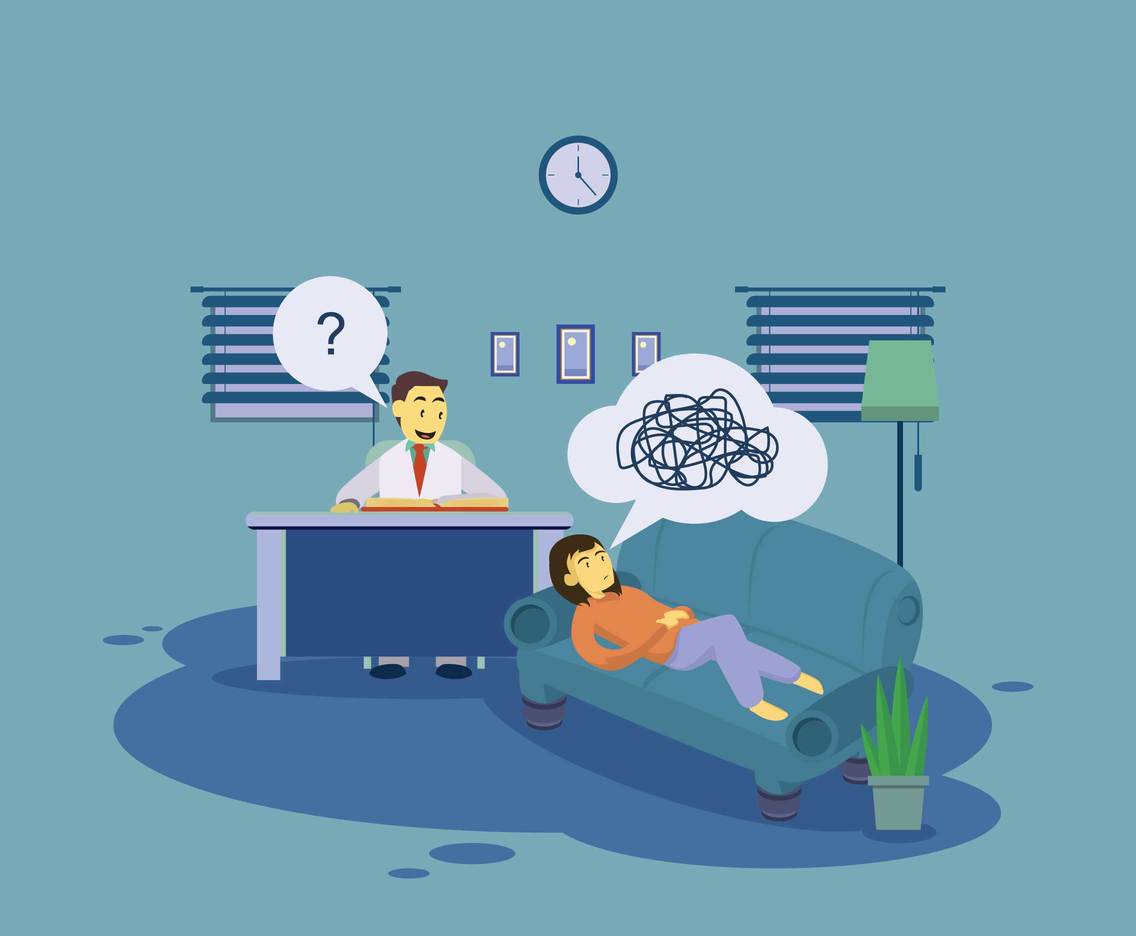
Finding the Licensed Therapists in California and Online Options
Introduction: Why Finding the Right Therapist Matters Mental health is just as important as physical health, and more people in...
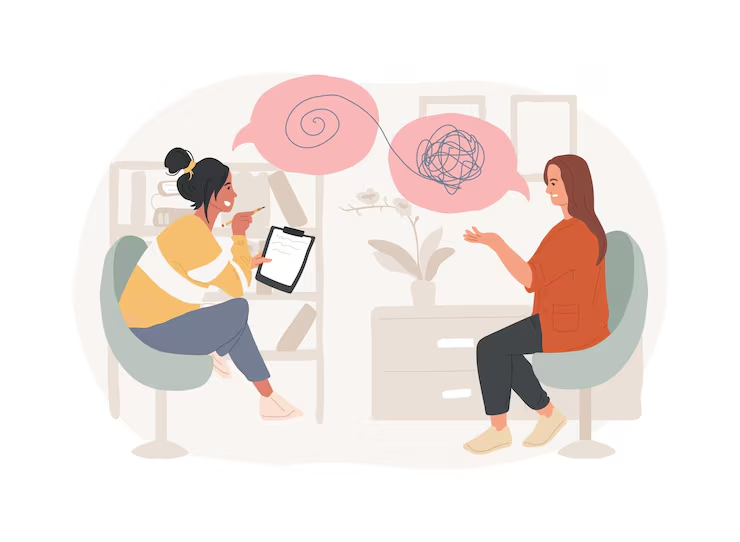
Evolution of the 8 Minute Rule Therapy: What’s Different Now
The 8 minute rule therapy has fundamentally shaped how physical therapists, occupational therapists, and speech-language pathologists bill for time-based services...