

Life is full of stressful moments — a heated argument, a looming deadline, or an unexpected setback. In such situations, emotions often surge, making it difficult to think clearly. Learning how to control emotions doesn’t mean suppressing or ignoring them; rather, it’s about managing feelings in a way that allows you to respond wisely instead of reacting impulsively.
In this guide, we’ll explore practical strategies for emotional regulation, why emotional control is vital for mental health, and how you can strengthen your ability to remain calm under pressure. We’ll also include expert insights, practical exercises, and answers to common questions.
Why Controlling Emotions Matters
When emotions go unchecked, they can cloud judgment and impact relationships, productivity, and overall well-being. Here’s why developing emotional control is crucial:
-
Improved Relationships – Responding calmly helps prevent unnecessary conflicts.
-
Better Decision-Making – Rational thinking is easier when emotions don’t dominate.
-
Reduced Stress – Techniques like mindfulness and breathing reduce tension.
-
Mental Health Benefits – Emotional regulation lowers risks of anxiety, depression, and burnout.
In psychology, the ability to control emotions is known as emotional regulation, a key skill for resilience and personal growth.
Understanding Emotional Regulation
Emotional regulation is the process of influencing which emotions we feel, when we feel them, and how we express them. It’s not about denying emotions, but channeling them productively.
According to psychologists, emotional regulation involves three key stages:
-
Awareness – Recognizing what you’re feeling.
-
Control – Using techniques to shift or manage the intensity.
-
Expression – Choosing the healthiest way to communicate emotions.
Common Stressful Situations That Trigger Emotions
-
Workplace conflicts (colleagues, deadlines, workload).
-
Relationship challenges (arguments, breakups, miscommunication).
-
Unexpected life changes (job loss, illness, financial problems).
-
Public speaking or social anxiety.
-
Parenting and family responsibilities.
These scenarios often lead to feelings of anger, fear, sadness, or frustration. Learning to control emotions in stressful situations helps you handle challenges without losing your sense of balance.
Practical Techniques to Control Emotions in Stressful Moments
Here are some effective methods supported by psychology and mindfulness practices:
1. Breathing Exercises
Deep breathing lowers stress hormones, calms the nervous system, and brings clarity. Try the 4-7-8 breathing technique:
-
Inhale for 4 seconds.
-
Hold for 7 seconds.
-
Exhale slowly for 8 seconds.
2. Mindfulness Meditation
Being present helps you notice emotions without being consumed by them. A simple 5-minute mindfulness break can reset your emotional state.
3. Pause Before Responding
When triggered, take a pause. Count to ten, take a walk, or drink water before reacting. This prevents regretful outbursts.
4. Journaling
Writing down thoughts helps externalize emotions, reducing intensity and giving clarity.
5. Reframing the Situation
Ask yourself: “What’s another way to look at this?” Cognitive reframing shifts your perspective from negative to constructive.
6. Physical Movement
Exercise, stretching, or even a quick walk can release built-up stress and improve mood.
7. Professional Guidance
Sometimes, emotions are overwhelming due to trauma, anxiety, or depression. In such cases, working with a licensed therapist can provide tools for long-term regulation.
Table: Quick Techniques to Control Emotions
| Technique | How It Helps | Best Used For |
|---|---|---|
| Deep Breathing | Activates Relaxation response | Anxiety, anger, panic |
| Mindfulness | Promotes awareness without judgment | Stress, overthinking |
| Journaling | Provides clarity and emotional release | Sadness, confusion, frustration |
| Physical Movement | Lowers stress hormones, boosts endorphins | Anger, restlessness |
| Reframing Thoughts | Change’s perspective to reduce negativity | Worry, pessimism, relationship stress |
| Talking to a Therapist | Long-term emotional regulation strategies | Trauma, recurring emotional struggles |
Emotional Control in Relationships
Relationships often test emotional resilience. Miscommunication, unmet expectations, and conflicts can trigger strong reactions. Here are some ways to control emotions in relationships:
-
Practice active listening before responding.
-
Use “I” statements instead of blaming (“I feel hurt when…”).
-
Avoid arguments when emotions are high — revisit later.
-
Set boundaries when needed.
How to Control Emotions in the Moment
When stress hits suddenly (like an argument or presentation), these techniques help:
-
Take three slow, deep breaths.
-
Ground yourself: focus on physical sensations (feet on the floor, hands touching a surface).
-
Label your emotion (“I’m feeling anxious”); naming reduces intensity.
-
Remind yourself: “This feeling will pass.”
Using Emotional Anchors
Some people use control emotions quotes or mantras as reminders during stress. Example:
-
“Emotions are temporary visitors, not permanent residents.”
-
“Pause, breathe, and then choose.”
Others find guidance in a control emotions book that offers daily practices for emotional mastery.
Emotional Regulation Strategies for Women
Many women face unique challenges balancing family, career, and personal responsibilities. Strategies include:
-
Creating self-care routines (spa, journaling, yoga).
-
Setting healthy boundaries in relationships.
-
Practicing assertive communication instead of bottling emotions.
Long-Term Practices for Emotional Regulation
Controlling emotions isn’t a one-time task — it requires consistent effort. Consider these habits:
-
Regular meditation or yoga.
-
Keeping a gratitude journal.
-
Learning stress management skills.
-
Seeking therapy for deeper emotional challenges.
Table: Short-Term vs Long-Term Emotion Control
| Type | Examples | Benefits |
|---|---|---|
| Short-Term Techniques | Breathing, pausing, grounding | Immediate relief in stressful moments |
| Long-Term Practices | Therapy, mindfulness, journaling, yoga | Stronger resilience over time |
FAQs About Controlling Emotions:
What are quick techniques to manage emotions under stress?
Quick techniques include deep breathing, grounding exercises (like naming 5 things you see around you), and shifting focus with a short walk or stretching. These methods calm the nervous system and bring clarity in stressful moments.
How can breathing or mindfulness help?
Breathing slows down the heart rate and signals the brain to relax. Mindfulness trains your awareness to stay in the present, preventing your thoughts from spiraling into negativity.
Why is emotional control important for mental health?
Controlling emotions helps reduce anxiety, depression, and stress-related health issues. It also improves relationships, decision-making, and self-confidence.
How do you control your emotions?
You can control emotions by identifying triggers, practicing self-awareness, and applying coping skills like journaling, reframing thoughts, and relaxation techniques. With consistent practice, emotional regulation becomes easier.
How to control Being- over emotional?
Set boundaries, practice mindfulness, and learn to pause before reacting. It also helps to process emotions through healthy outlets like talking to a friend, exercising, or professional counseling.
How do I stop emotional outbursts?
Recognize early signs of anger or sadness before they escalate. Use time-outs, deep breathing, or counting techniques to give your brain a chance to reset.
What is the definition of control of emotions?
Control of emotions refers to the ability to manage, regulate, and express feelings in a balanced way. It means neither suppressing nor letting emotions dominate your behavior.
How to control your emotions in a relationship?
Healthy communication, empathy, and self-reflection are key. Take time to calm down before responding, and focus on understanding your partner’s perspective.
How to control emotions Crying?
Try slow breathing, distracting your thoughts, or lightly pressing your tongue against the roof of your mouth. Over time, emotional awareness and resilience help reduce frequent crying.
How to control emotions Psychology?
Psychology suggests cognitive-behavioral strategies, mindfulness, and reframing thoughts. Therapy can also teach deeper skills to understand and regulate emotional responses.
How to control your emotions in the moment?
Pause and take a deep breath before reacting. Shift focus by grounding yourself with sensory awareness—notice what you see, hear, and feel around you.
What are 5 ways to manage emotions?
-
Practice mindfulness meditation.
-
Exercise regularly.
-
Keep a journal to track triggers.
-
Develop healthy coping outlets.
-
Seek professional support when needed.
How to control your emotions as a woman?
Women may experience hormonal changes that affect mood, so self-care and awareness are crucial. Techniques like journaling, yoga, and open communication can provide balance and stability.
At I GotU Corp, we believe emotional wellness is just as important as physical health. If you’re struggling with emotional regulation, stress, or overwhelming feelings, our Certified mental health professionals are here to help. We offer personalized mental health counseling both online and in-person to support your journey toward balance and peace.
Contact Us Today
🌐 Website: www.igotucorp.com
📍 Address: 9431 Haven Ave Suite 100-151, Rancho Cucamonga, CA 91730, United States
Take the first step towards a calmer, more resilient you. Your emotions don’t have to control you — you can learn to control them.
Recent Posts
Related Posts
Live Anywhere with Your Pet: Emotional Support Animal Letter California
Finding pet-friendly housing in California is challenging. With “no pets” policies dominating rental markets from San Francisco to San Diego,...
2026’s Checklist for Choosing the Best Depression Treatment Centers
Finding the right depression treatment center in 2026 feels less like a medical appointment and more like choosing a partner...

Get Your Emotional Support Animal Letter California Today (2026 Process)
If you’re struggling with anxiety, depression, PTSD, or other mental health challenges in California, an Emotional Support Animal (ESA) can provide invaluable...
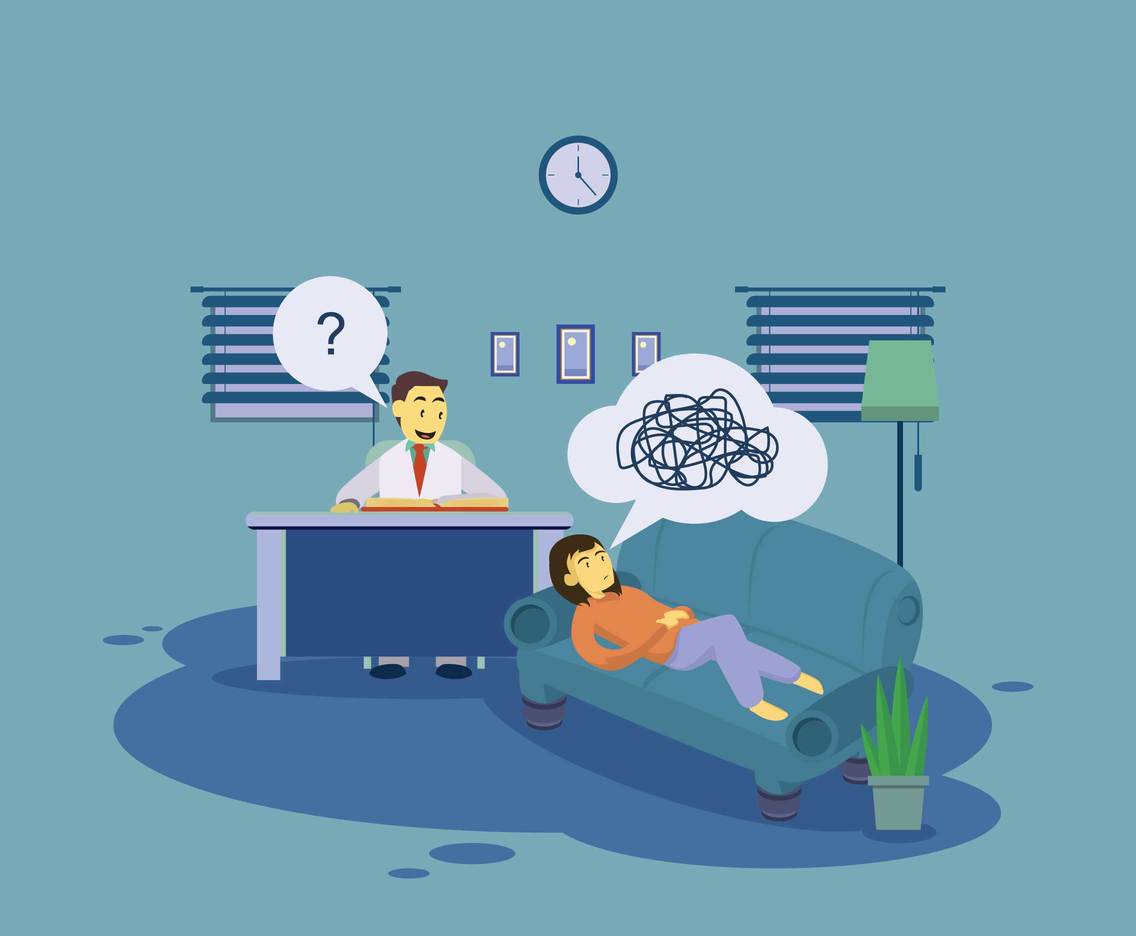
Finding the Licensed Therapists in California and Online Options
Introduction: Why Finding the Right Therapist Matters Mental health is just as important as physical health, and more people in...
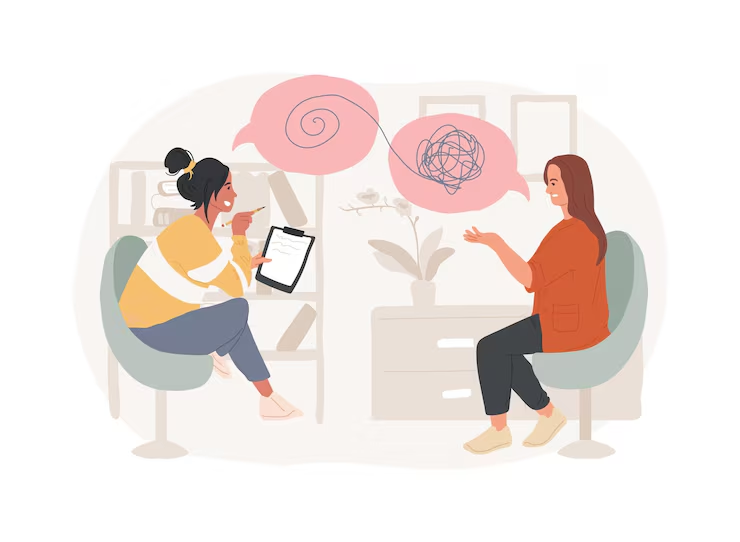
Evolution of the 8 Minute Rule Therapy: What’s Different Now
The 8 minute rule therapy has fundamentally shaped how physical therapists, occupational therapists, and speech-language pathologists bill for time-based services...