

Mental health care involves a variety of professionals, each with their own roles and expertise. If you’ve ever sought therapy or mental health assistance, you may have come across the title of Licensed Clinical Social Worker (LCSW). In this article, we will answer a very common question: Can an LCSW prescribe medication? Additionally, we will explore the roles of LCSWs, their training, and how they differ from other mental health professionals like psychiatrists. Understanding the boundaries of each professional’s role is key to navigating your mental health journey.
What is a Licensed Clinical Social Worker (LCSW)?
A Licensed Clinical Social Worker (LCSW) is a mental health professional trained to provide psychotherapy, conduct assessments, and develop treatment plans for individuals with various mental health issues. They are professionals who hold a master’s degree in social work (MSW) and have completed additional clinical training, typically under supervision, to obtain their LCSW certification.
LCSWs work with a wide range of clients, including children, adults, and families, offering counseling for issues like anxiety, depression, trauma, and relationship challenges. They are experts in understanding how social and environmental factors impact an individual’s well-being and use this understanding to create treatment plans that address not just the symptoms but also the underlying causes.
Key Responsibilities of LCSWs:
-
Psychotherapy/Counseling: LCSWs offer therapeutic interventions such as cognitive-behavioral therapy (CBT), dialectical behavior therapy (DBT), and other modalities to help clients cope with mental health issues.
-
Assessments and Diagnoses: They can diagnose mental health conditions and provide treatment plans for managing them.
-
Advocacy: LCSWs often advocate for their clients, helping them navigate systems like healthcare, education, and legal services.
-
Community Support: They work in hospitals, schools, private practices, and social service agencies.
However, despite their comprehensive role in mental health care, LCSWs cannot prescribe medication. This brings us to the central question: Can LCSWs prescribe medication?
Can LCSWs Prescribe Medication?
No, Licensed Clinical Social Workers (LCSWs) cannot prescribe medication. The authority to prescribe medication is reserved for medical professionals such as psychiatrists, primary care physicians, nurse practitioners, and physician assistants. While LCSWs can play a significant role in treating mental health disorders through psychotherapy and counseling, they do not have the qualifications or legal authorization to prescribe medication.
Why Can’t LCSWs Prescribe Medication?
LCSWs are trained in psychosocial therapy, meaning their focus is on understanding the emotional, social, and environmental factors that contribute to a person’s mental health. They are not trained in pharmacology (the science of drugs and their effects on the human body), which is why they cannot prescribe medication. Prescribing medication requires a medical degree or advanced nursing education, which LCSWs do not possess.
Who Can Prescribe Psychiatric Medication?
Psychiatric medications, such as antidepressants, antipsychotics, and mood stabilizers, are typically prescribed by the following professionals:
-
Psychiatrists: Psychiatrists are medical doctors (MDs or DOs) who specialize in mental health. They are trained to diagnose and treat mental health disorders using both psychotherapy and medications.
-
Primary Care Physicians (PCPs): While PCPs do not specialize in psychiatry, they are authorized to prescribe medications for mental health conditions, especially in situations where a psychiatrist is not readily available.
-
Nurse Practitioners (NPs): Psychiatric nurse practitioners (PMHNPs) are advanced practice nurses who are trained to assess, diagnose, and treat mental health disorders. They can prescribe medication under the supervision of a physician, depending on the state laws.
-
Physician Assistants (PAs): In some states, PAs are also authorized to prescribe psychiatric medication under the supervision of a physician.
Each of these professionals has the medical and pharmacological training necessary to prescribe medications safely and effectively. Their expertise includes understanding drug interactions, side effects, dosages, and how medication can affect the body and brain.
When Should Someone See an LCSW vs a Psychiatrist?
Knowing when to see an LCSW versus a psychiatrist can help guide your mental health journey and ensure that you receive the right care at the right time.
When to See an LCSW:
-
Therapy and Counseling: If you’re looking for therapy to address emotional or psychological challenges like stress, anxiety, grief, or relationship problems, an LCSW is a great resource. LCSWs can offer talk therapy and counseling, which are often effective in treating a range of mental health issues.
-
Behavioral Therapy: LCSWs are trained in various therapeutic modalities (like CBT, DBT, etc.) that help individuals identify negative thought patterns and behaviors, making them an excellent choice for therapy-based interventions.
-
Life Transitions: Whether you’re going through a divorce, coping with a loss, or adjusting to a major life change, LCSWs can provide support during tough times.
When to See a Psychiatrist:
-
Medication Management: If you believe that medication might be necessary for managing your mental health symptoms, or if you’ve already been prescribed psychiatric medication, seeing a psychiatrist is the best option. Psychiatrists specialize in diagnosing and prescribing psychiatric medications to treat conditions such as depression, bipolar disorder, schizophrenia, and severe anxiety disorders.
-
Severe Mental Health Conditions: If you experience severe symptoms such as hallucinations, intense paranoia, or severe mood swings, you should see a psychiatrist for comprehensive evaluation and treatment, which may include medication and psychotherapy.
LCSWs and Psychiatrists Working Together
Often, the best approach to mental health care involves a combination of both psychotherapy and medication. LCSWs and psychiatrists often work in tandem to provide comprehensive care. For example, an LCSW can provide therapy while a psychiatrist manages any necessary medications. This holistic approach ensures that both the psychological and physiological aspects of a person’s mental health are addressed.
Therapy vs Medication
The debate of therapy vs medication is common in the mental health field, and the best choice depends on the individual’s needs and preferences. Both therapy and medication are effective treatments, but they serve different purposes and can be used in conjunction with each other.
Therapy:
Therapy (or psychotherapy) involves talking with a mental health professional, such as an LCSW, to explore and address the root causes of mental health issues. It’s often used to treat conditions like:
-
Anxiety
-
PTSD
-
Relationship problems
-
Addiction
Therapy helps individuals gain insight into their emotions and behaviors and develop coping strategies. It can be a long-term process, focusing on developing skills to manage symptoms, build resilience, and improve overall emotional well-being.
Medication:
Medication is often used to treat the biological aspects of mental health conditions, such as:
-
Anxiety disorders
-
Depression
-
Bipolar disorder
-
Schizophrenia
-
ADHD
Medications can help regulate brain chemistry, reducing symptoms such as mood swings, anxiety, or hallucinations. While medication is effective for many individuals, it is typically most beneficial when combined with therapy, providing a more well-rounded approach to mental health care.
LCSW vs Psychiatrist: Key Differences
Here’s a quick comparison of LCSWs and psychiatrists, highlighting the key differences in their roles:
| Aspect | Licensed Clinical Social Worker (LCSW) | Psychiatrist |
|---|---|---|
| Education | Master’s degree in social work (MSW), followed by clinical training | Medical degree (MD or DO), followed by psychiatric residency |
| Scope of Practice | Psychotherapy, counseling, and case management | Psychotherapy, medication prescription, and psychiatric diagnosis |
| Prescribes Medication | No | Yes |
| Training in Pharmacology | No | Extensive training in pharmacology |
| Focus | Emotional, social, and environmental factors | Biological, psychological, and medical factors |
| Common Settings | Private practice, hospitals, schools, and community organizations | Hospitals, private practice, clinics, and psychiatric settings |
| Treatment | Therapy and support | Therapy, medication, and medical treatment |
Can LCSWs Work with Prescribing Providers?
Absolutely! While LCSWs cannot prescribe medication themselves, they often work in close collaboration with prescribing providers, such as psychiatrists or primary care physicians. LCSWs can help clients by referring them to a psychiatrist for medication evaluation and management when necessary.
Collaborative Care Model:
In a collaborative care model, LCSWs and prescribing providers work together to ensure that the client receives both therapy and medication, providing a more comprehensive and effective treatment plan. For example, an LCSW may work with a psychiatrist to monitor how well the client’s medication is working alongside the therapy.
Conclusion
While LCSWs cannot prescribe medication, they play a crucial role in the mental health care system, offering psychotherapy and counseling that can help individuals manage their mental health challenges. For medication needs, it is essential to see a psychiatrist or other prescribing provider. However, the most effective approach to mental health care often involves a combination of therapy and medication, and LCSWs frequently collaborate with prescribing professionals to offer comprehensive care.
If you’re unsure whether you need therapy, medication, or both, consider speaking with an affordable Licensed Therapist in California or a psychiatrist who can help guide you toward the right treatment for your needs.
Contact Us
If you or a loved one is looking for professional mental health support, reach out to our team at IGotU Corp today! We offer therapy services with licensed clinical social workers and work closely with psychiatrists and other prescribing professionals to ensure you get the comprehensive care you need.
-
Phone: (123) 456-7890
-
Email: info@igotucorp.com
-
Website: www.igotucorp.com
Schedule a Consultation Today!
This article aims to provide a comprehensive guide to understanding the roles of LCSWs in mental health care, as well as clarifying who can prescribe psychiatric medication and when you should see different mental health professionals. If you have more questions or need assistance, please don’t hesitate to contact us.
Recent Posts
Related Posts

Live Anywhere with Your Pet: Emotional Support Animal Letter California
Finding pet-friendly housing in California is challenging. With “no pets” policies dominating rental markets from San Francisco to San Diego,...
2026’s Checklist for Choosing the Best Depression Treatment Centers
Finding the right depression treatment center in 2026 feels less like a medical appointment and more like choosing a partner...

Get Your Emotional Support Animal Letter California Today (2026 Process)
If you’re struggling with anxiety, depression, PTSD, or other mental health challenges in California, an Emotional Support Animal (ESA) can provide invaluable...
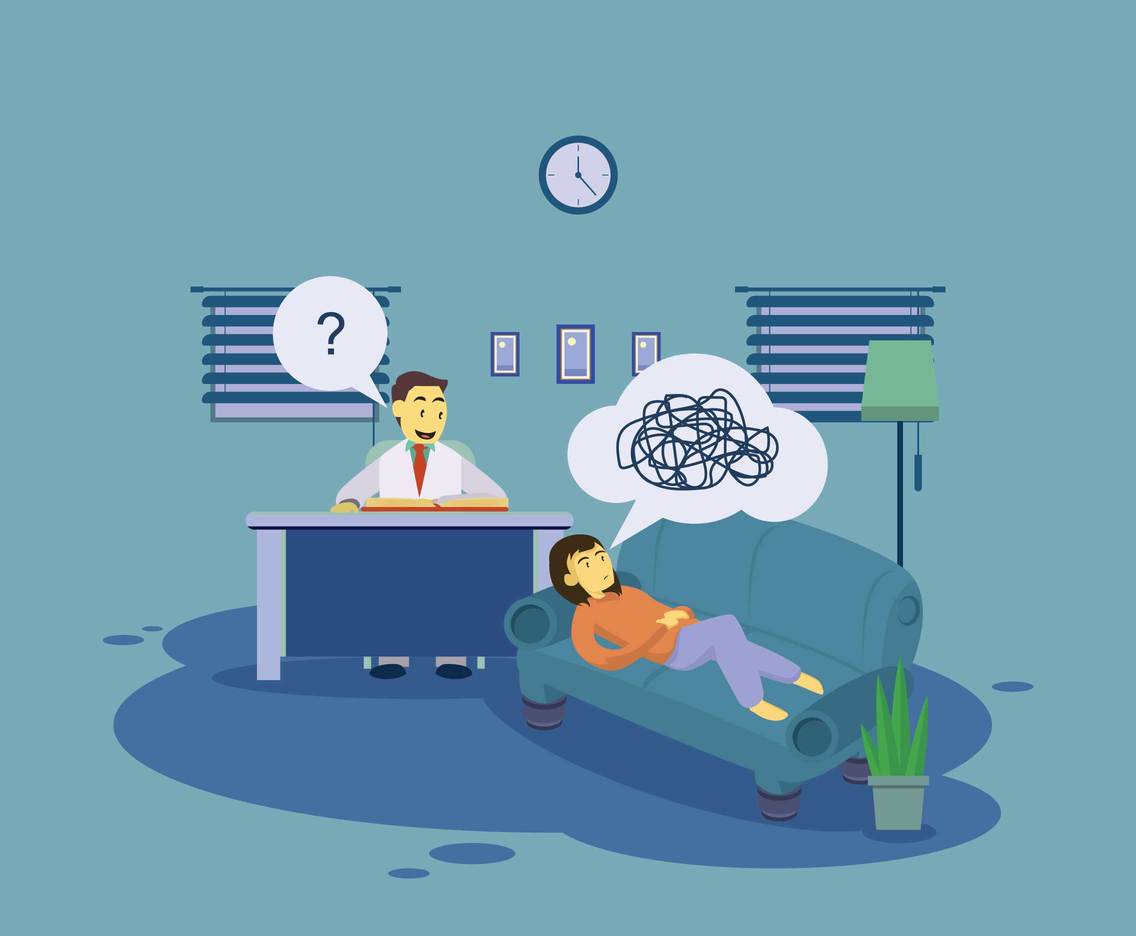
Finding the Licensed Therapists in California and Online Options
Introduction: Why Finding the Right Therapist Matters Mental health is just as important as physical health, and more people in...
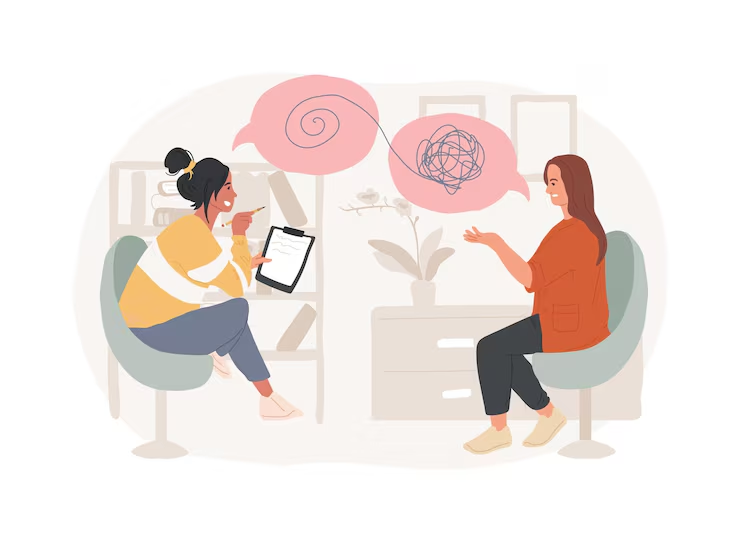
Evolution of the 8 Minute Rule Therapy: What’s Different Now
The 8 minute rule therapy has fundamentally shaped how physical therapists, occupational therapists, and speech-language pathologists bill for time-based services...